Miscommunications in 911 Dispatches Delayed Response to Failed Execution
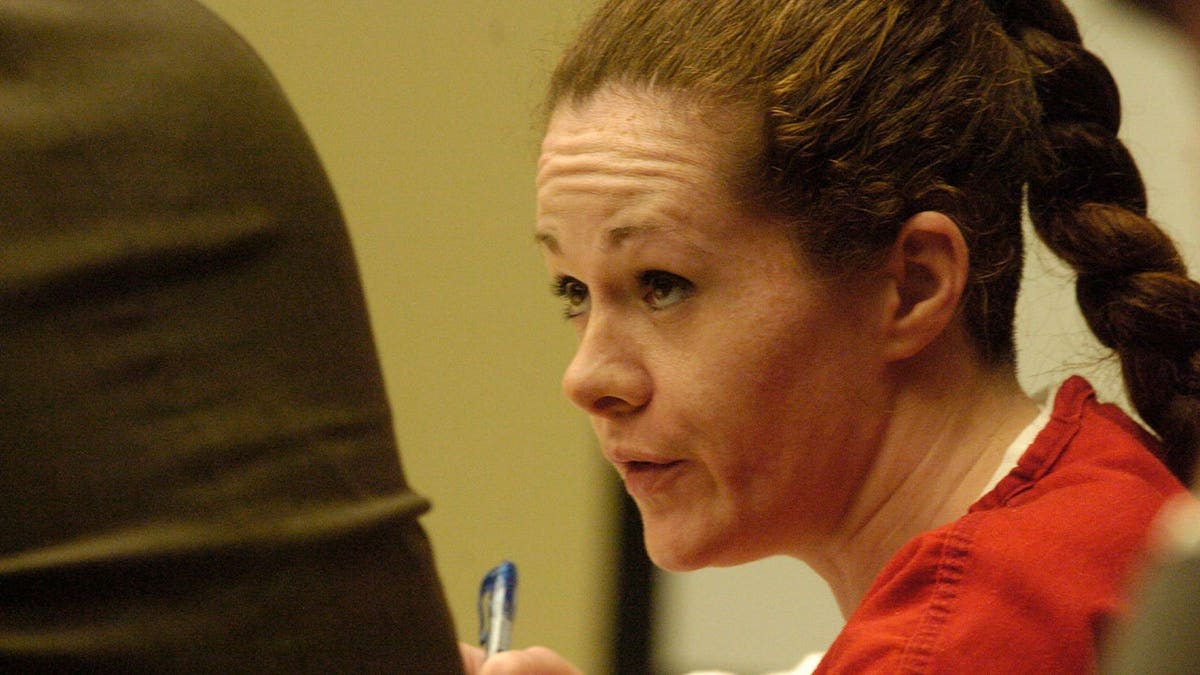
Recordings of 911 dispatches reveal communication errors led to a delayed emergency response after an execution attempt on Tennessee death row inmate Christa Pike failed. The initial call reached dispatchers on September 30 at around 8:40 p.m., roughly an hour after the planned execution, as reported by The Associated Press (AP).
During the call, the caller could not verify the execution failure due to the absence of a code. Consequently, operators struggled to validate the call’s authenticity, as documented in the audio.
“So we have a medical call for service at the Riverbend Prison,” a dispatcher states in the AP-obtained audio. “They carried out the execution, the subject didn’t pass away, and they need an ambulance because she’s not breathing normally,” the dispatcher explained to another operator.
Amidst this, confusion ensued as a dispatcher questioned the call’s validity, suspecting a prank or ‘swatting’ attempt, rather than an actual emergency.
An internal dispatcher audio clip reveals the response was called off. “Per supervisors here at the DEC [Department of Emergency Communications], we have been informed it is a false call,” a dispatcher stated at approximately 9:03 p.m., indicating no medical assistance was required.
Further uncertainty arose in communications with someone at Riverbend Prison. A dispatcher enquired about verifying the execution claim, but the facility staff denied knowledge of such a report.
Attorney Kelly Gleason called 911 to report the incident as Pike’s execution had been botched. In her recorded call at about 9:08 p.m., Gleason emphasized Pike needed immediate medical attention, still being alive.
“My client, Christa Gail Pike, is undergoing a state execution. Last known, she is still alive and breathing and needs immediate life-saving care,” Gleason stated.
Meanwhile, Riverbend Prison’s Central Control told first responders they had not made any emergency call. Around that time, first responders were informed about a person claiming to be a state official, outside the gate, demanding entry.
Central Control eventually permitted first responders to access the prison by 9:11 p.m. Pike was in an ambulance and headed to a hospital by 9:34 p.m., as the AP shared.
Pike, convicted for first-degree murder and conspiracy in 1996 for the 1995 murder of Colleen Slemmer, spent over 30 years on death row. Attempts to execute her included administering two pentobarbital doses, which were ineffective under the state’s single-drug protocol, prohibiting a third dosage.
Subsequently, Pike was hospitalized, placed on a ventilator, and remained unconscious for six days, waking on October 6. She returned to a women’s prison on October 10 for ongoing medical care.
Following the failed execution, Governor Bill Lee has suspended all state executions pending a review.