How Budget Grocery Shopping Is Changing Consumer Habits
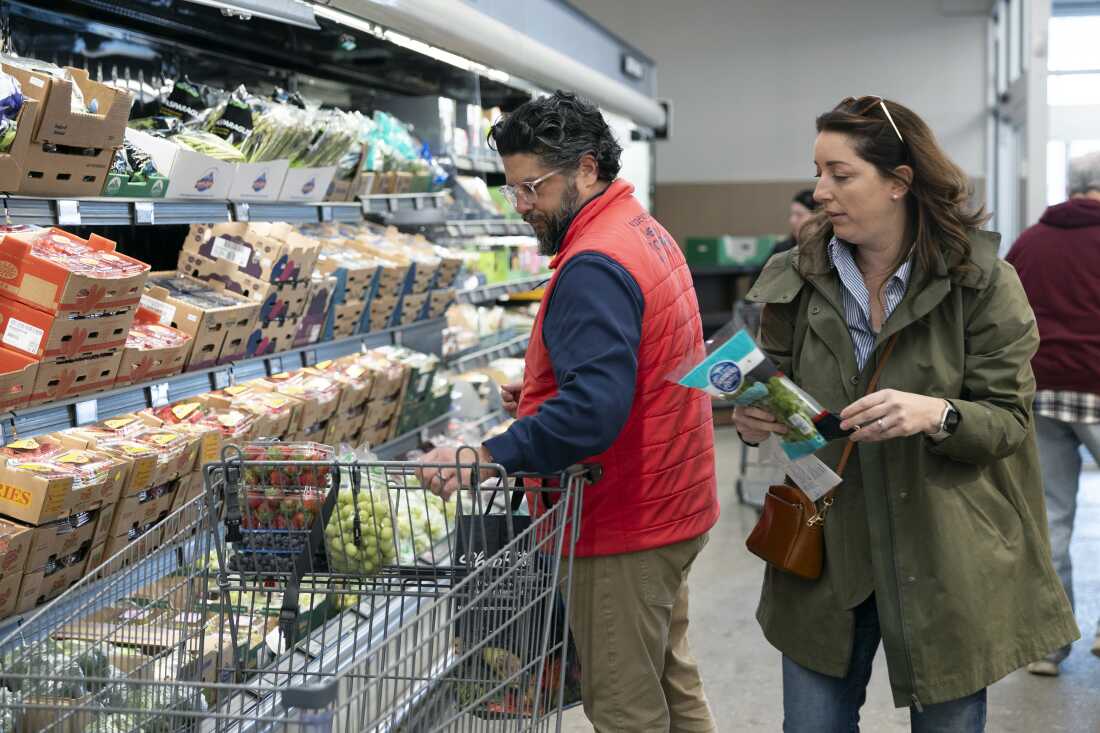
BELLMAWR, N.J. — Rachel Negro-Henderson and her husband, Rich Henderson, shop at Aldi for their family in Bellmawr, New Jersey. During the pandemic, they started shopping there when Rich lost his income as a crew coach. Initially, this shift led to awkward interactions with acquaintances, but things have changed. Rachel, a healthcare administrator, says she often sees familiar faces who are also seeking savings at Aldi. She comments, “Everyone’s saving money. The products are the same.”
Several factors impact affordable meal preparation. The COVID-19 pandemic increased food insecurity while grocery prices surged. Inflation, tariffs, and shrinkflation further complicate budgeting. Electronic shelf labels enable stores to adjust pricing based on demand. Phil Lempert, a grocery analyst, notes consumer frustration with rising food costs. Many consumers now favor budget groceries and warehouse clubs over traditional supermarkets. Social media creators frequently showcase their budget finds from Aldi or meal creations from Costco ingredients. Per Lempert, discount grocers have improved their offerings to attract cost-conscious shoppers.
Strategies Behind Budget Grocery Stores
Discount stores like Aldi maintain low prices through efficient operations. Lempert highlights aspects including smaller store sizes, fewer products, minimal staffing, and a streamlined approach. For instance, Aldi’s staff places entire boxes of canned goods on shelves, reducing unpacking time.
Over recent years, European brands Aldi and Lidl increased their U.S. presence. Aldi, in particular, attracted 17 million new customers and opened approximately 200 new stores last year. It aims to launch another 180 stores nationwide this year, contrasting the discount chain Grocery Outlet, which plans to close 36 stores after expanding rapidly.
Warehouse clubs like Costco and Sam’s Club are popular among larger families due to their cost-effective groceries. Costco’s renowned $1.50 hot dog and soda deal, along with its $4.99 rotisserie chicken, exemplify its affordable offerings. Costco reported $28.41 billion in net sales for March, marking an 11.3% increase year-over-year. Sam’s Club aims to significantly boost profits over the next eight to ten years.
Comparing Prices and Consumer Adaptation
Some may question claims of low prices, but Consumer Reports data supports them. Aldi and Lidl’s prices were over 8% lower than Walmart, with BJ’s Wholesale Club and Costco being around 21% cheaper. Competition exists as WinCo and H-E-B occasionally offer lower prices than Walmart.
There’s a growing acceptance of store-brand items. The Private Label Manufacturers Association reports store-brand sales increased nearly three times faster than national brands last year.
Though budget stores often offer fewer items than traditional supermarkets, Rachel Negro-Henderson is loyal to Aldi. While buying most products there, she selectively purchases specific items from other stores such as delis or butchers.
She and her husband appreciate Aldi’s low costs, GMO-free store brands, and sustainability ethos. Rich Henderson emphasizes quality: “You sacrifice name brands but the quality remains excellent.” More than 90% of Aldi products are store brands.
Cooking and Budgeting Influences
Budget shopping influences economical cooking. Social media presents videos on affordable meals. Kiki Rough, known for depression-era and wartime recipe videos on Instagram, TikTok, and Facebook, shares budget-friendly meal ideas like bean-based “meatloaf.” Motivated by personal experiences with food insecurity, she educates viewers on stretching grocery budgets and cooking with available ingredients.
Rough points out that people from diverse backgrounds, including entry-level workers and corporate executives, face food cost challenges. She encourages a mindset shift, minimizing the shame around financial conditions.
Lempert comments on lasting frugality in grocery shopping. A survey by AlixPartners reveals that most respondents plan to maintain or increase their food spend in 2026 while seeking cheaper groceries and avoiding impulse buying. Consumer Reports validate lower prices at Aldi and Lidl compared to Walmart.
Rachel Wisniewski for NPR notes the importance of shopping lists and online shopping for price comparison. Lempert foresees that younger generations remain indifferent to supermarket conveniences but focus on price rather than aesthetics.