Illinois Bans Traveling Animal Acts Involving Primates, Bears, and Big Cats
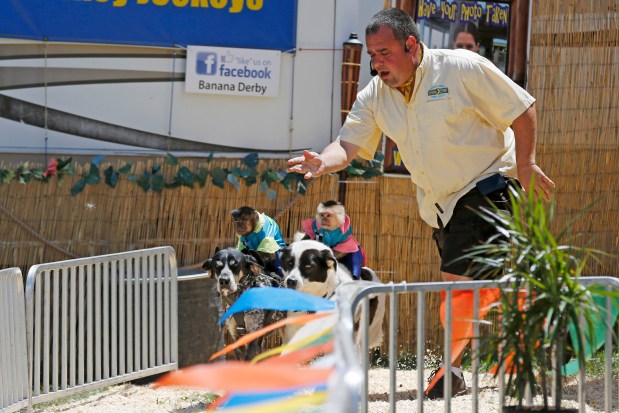
Marc Ayers attended the Sangamon County Fair in New Berlin to prevent the return of one specific attraction: the Banana Derby. Representing Humane World for Animals, Ayers had monitored the show and wanted it stopped. He witnessed capuchin monkeys, Gilligan and Bert, in children’s clothes, tied to dogs racing in a show ring. Their expressions were unnatural and distressing as they clung to rails, trying to escape.
Ayers left the fair determined this show would end in Illinois. He saw the performance as exploitation for profit. The Banana Derby, a South Carolina-based act, visited Illinois fairs for nearly twenty years. Now, that’s changing.
On June 26, Governor JB Pritzker signed a law expanding the Traveling Animals Act, which already banned elephants in traveling shows. The ban now includes big cats, bears, and primates. A spokesperson stated the governor supports dignified care for wild animals. The law is now effective.
Phil Dolci, owner of the Banana Derby, criticized the legislation. He claimed Gilligan and Bert were well cared for over 20 years. Dolci argued the ban should target bad actors, not all exhibitors, and emphasized the joy the show brought.
Fair groups previously saw these shows as revenue generators, but animal welfare advocates noted their declining popularity. Alyssa Berman-Cutler from Lincoln Park Zoo spoke of changing public understanding of animal welfare.
State Rep. Kelly Cassidy prioritized animal welfare over exhibitors’ livelihoods, stating “I’m not here to help make it easier for you to harm animals.”
Illinois led the way by banning elephants in 2017, which Ayers supported. Since then, similar restrictions were adopted in other states. However, Illinois’s original law didn’t cover all animals used in entertainment.
Supporters aimed to close this gap, arguing intelligent species like primates and bears suffer when constantly transported and perform under stress. Maureen Leahy from Lincoln Park Zoo noted the psychological impact on captive animals.
Records of USDA animal welfare violations against the Banana Derby and others supported the legislation. Ayers emphasized the ongoing abuse in the industry as justification.
Culpepper & Merriweather Circus faced USDA penalties for inadequate animal care, previously suspending operations. Recently, its shows were canceled in Illinois due to the new ban.
USDA reports cited the Banana Derby for inadequate space and improper transport. Ayers noted the difficulty in enforcing regulations on mobile acts.
Support for the legislation grew with little opposition from circus and fair representatives. Cassidy questioned the defensibility of acts like monkeys riding dogs or big cats in cages.
Illinois joins other states in banning such acts, with Berman-Cutler hoping it reshapes public perceptions about exotic animals as pets. She cited a study showing an increase in primates in the pet trade due to misperceptions.
Dolci, anticipating the legislation, ceased booking the Banana Derby in Illinois. He criticized “radical left actors” and expressed concern over children’s loss of experiences. He believes the restriction on species is unjust.
Animal welfare experts disagree with Dolci’s views on natural behavior. Leahy emphasized a monkey’s need for social connection. The transition of chimps Eli and Susie at Lincoln Park Zoo illustrates the psychological stress from such acts.
A broader effort to stop exotic animal domestication continues with animal welfare groups. Berman-Cutler and Leahy advocate for the Captive Primate Safety Act, prohibiting private ownership of primates.
Supporters of Illinois’s ban see it as a step towards larger goals of ending wild animals as pets or performers. Rep. Cassidy challenged the necessity of acts like monkeys on dogs, questioning ethical implications.