Impact of USAID Cuts on U.S. Response to Ebola Outbreak
Background of USAID’s Role in Ebola Response
Until recently, the U.S. Agency for International Development (USAID) played a crucial role in managing Ebola outbreaks. Traditionally, it was part of a reliable system for combating the virus. However, the agency’s recent restructuring under the Trump administration, which included canceling many of its programs and dismissing numerous staff members, has affected the U.S. response to Ebola.
Approximately 1,000 programs were transferred to the State Department. Former high-ranking officials from USAID, the Centers for Disease Control and Prevention (CDC), the National Institutes of Health, and the White House noted that USAID’s resources might have helped control the recent Ebola outbreak.
Challenges in Containment Efforts
The new Ebola outbreak was reported in Congo last week. However, the virus had likely been spreading unnoticed for weeks prior. The World Health Organization (WHO) reported 139 suspected deaths and 600 cases, although these numbers are feared to be higher.
What we’ve lost is speed, which is the most important thing in an outbreak like this,” noted Nicholas Enrich, former acting assistant administrator for global health at USAID.
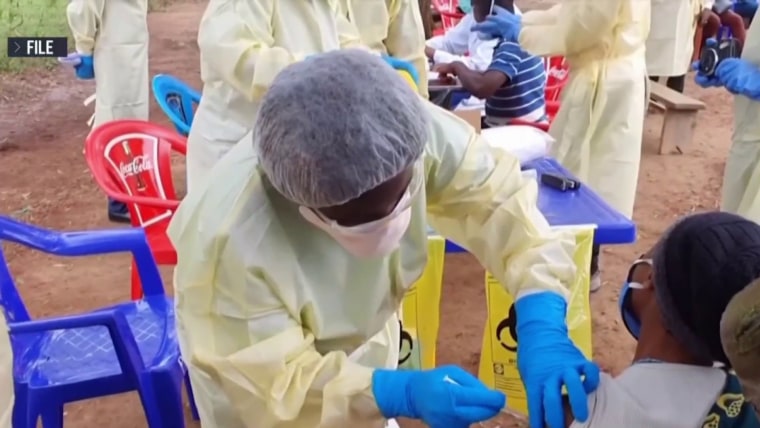
Enrich highlighted that USAID’s initiatives could have helped Congo’s labs detect the virus sooner, expedited personal protective equipment distribution, and employed health workers for symptom screening and exposure tracking. Former CDC official Dr. Daniel Bausch pointed out that many trained workers from past outbreaks have had to find other employment due to funding cuts, impacting response capabilities.
Funding and Operational Shifts
The International Rescue Committee, previously contracted by USAID, reported that reduced funding forced it to cut back on surveillance and sanitation efforts in Congo’s Ituri province. Heather Reoch Kerr, IRC’s country director in Congo, stated that lack of financial support compromised PPE distribution to affected areas.
The State Department refuted claims that USAID’s reorganization hindered Ebola response. Spokesman Tommy Pigott emphasized that their mobilization of $23 million in foreign aid supports various containment measures. Plans to fund clinics for emergency screening were also announced.
Impact on International Collaboration
Dr. David Heymann, a former CDC medical epidemiologist, criticized the diminished U.S. collaboration with global agencies. He noted that international cooperation is vital in containing outbreaks, a step seemingly diminished post-USAID restructuring.
The U.S.’s exit from the WHO, initiated by Trump due to dissatisfaction over COVID-19 management, reduced America’s global coordination strength. USAID’s absence meant increased reliance on CDC, which, despite having regional staff, lacked the broad operational capacity USAID previously offered.
Technical and Local Expertise Limitations
While CDC staff is assisting Congo and Uganda with surveillance and PPE distribution, experts like Enrich raised concerns over their direct involvement’s depth. Local community health workers with regional expertise are critical in effective outbreak management, a sentiment echoed by Bausch, who emphasized understanding local languages, cultures, and security issues.
Security threats in Congo further complicate federal employee deployment to affected areas. Collaborations with USAID were deemed essential for effective Ebola control.
Resource Constraints and Response Speed
Facilities at risk are awaiting resources from CDC, WHO, and aid groups. Congolese officials struggled with diagnosing the Bundibugyo strain, due to inadequate testing regimens. Delayed sample analysis highlights gaps USAID might have filled by providing technical assistance.
Dr. Herbert Luswata, at Bwera Hospital in Uganda, expressed fear over insufficient PPE and staff for infection control. With former USAID contractors volunteering indefinitely, response standards appear lacking.
The response is too slow and inadequate, not anywhere close to the standards that are required in a response for an epidemic like Ebola,” Luswata emphasized.