Imperial Valley College Faces Challenges with Lithium Training Program
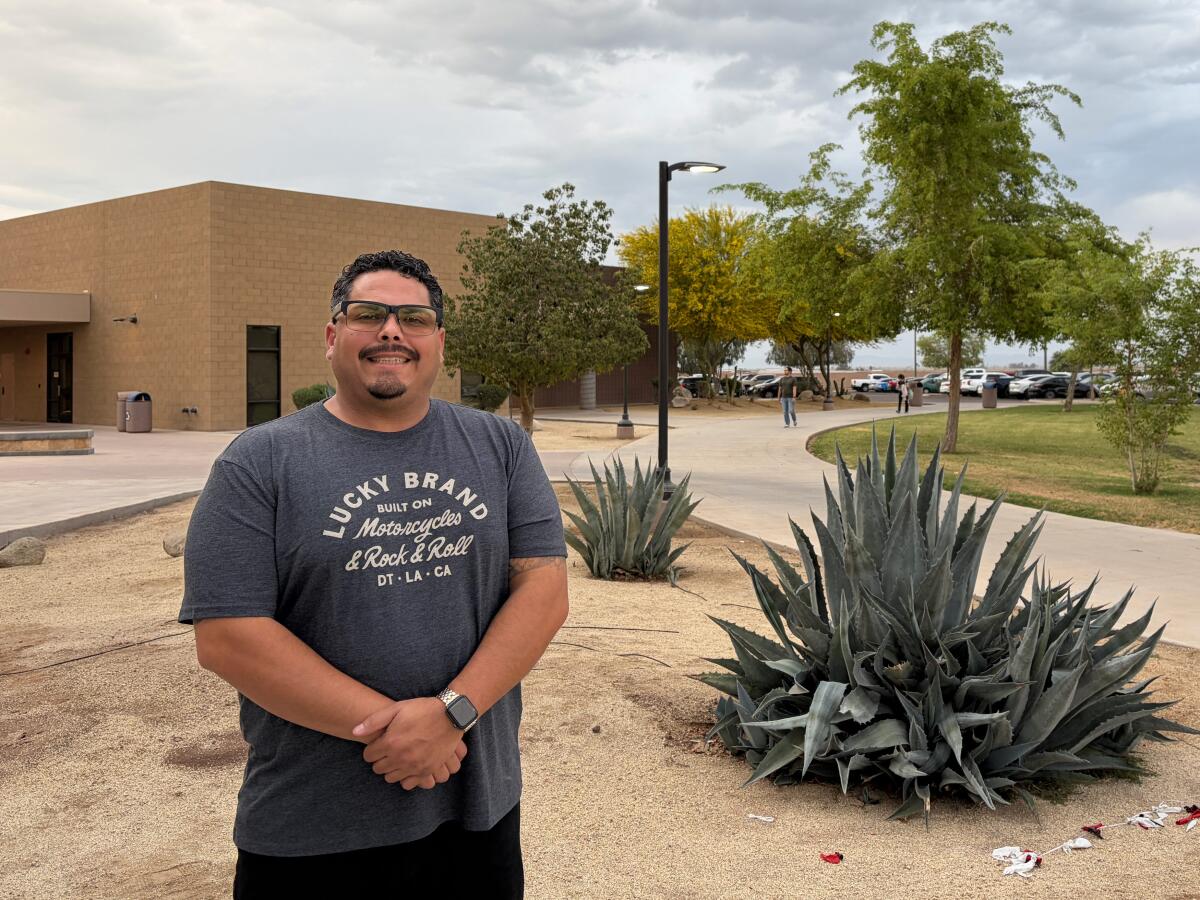
Imperial Valley College started a new program to train students for careers in the lithium industry. Corban Dillon joined the first class, hoping for a job in this growing field. Although he completed his certificate in the spring of 2024, he found no lithium-related jobs available. He enrolled in two more programs, yet jobs involving lithium extraction remained scarce.
Dillon, aged 41, expressed the difficulty of balancing work and family responsibilities while pursuing certification, only to find limited job opportunities. This reflects a common challenge faced by community colleges when a new industry arrives: locals want jobs, companies want skilled workers, and schools strive to provide timely training.
Imperial Valley College has temporarily reduced its lithium programs due to job market uncertainty. This situation highlights the difficulties in preparing students for emerging sectors. Betony Jones, an expert from the UC Berkeley Labor Center, explains that similar uncertainties occur in fields like solar energy and advanced manufacturing, where workers need credentials.
In Imperial County, a region with high poverty and unemployment rates, the stakes are high. Priscilla Lopez, the county’s director of workforce and economic development, notes that residents often feel they must leave for good jobs.
A decade ago, the area’s potential in lithium reserves caught attention. The region branded itself as “Lithium Valley,” and companies planned commercial extraction by 2026. Yet, progress has been slow. BHE Renewables completed a demonstration plant, and Controlled Thermal Resources is still raising funds. Lithium-related jobs remain a few years away.
Lithium batteries are essential for storing renewable energy and powering electric vehicles. The Salton Sea area contains vast lithium resources. As the industry promised growth, calls for more educational opportunities emerged. Higher education institutions like Imperial Valley College and San Diego State responded quickly.
San Diego State built a new STEM campus focusing on science, technology, engineering, and math. New degree programs in engineering and chemistry aim to support local industries. Imperial Valley College received funding for its Lithium Industry Force Training program, offering certificates in roles such as plant operator and chemical lab technician.
The community college promoted its programs as pathways into the lithium industry. George Prieto, a student, expressed optimism about finding a local job through his certificate.
Delays in the lithium project timelines are partly due to a lawsuit by environmental groups and changing policies. The lawsuit alleged potential environmental impacts from planned projects. The court dismissed this challenge, but the decision is under appeal. Reduced federal incentives for electric vehicles have also shifted attention to lithium projects in other states.
San Diego State President Adela de la Torre warned that unless progress accelerates, graduates might face an empty job market. Despite challenges, the university assures quality education in engineering and chemistry.
Imperial Valley College will soon graduate its third year of trained students. Initially, programs were planned to match the industry’s timing. As of fall 2025, 173 students enrolled; 42 completed certificates and 57 are currently enrolled. Sixteen found jobs related to their certificates.
Imperial Valley College plans to reduce next year’s cohort size and suspend some certificates. Programs may resume in the 2027-28 academic year, pending industry job projections. Prieto remains hopeful, and Dillon believes the industry will eventually thrive in Imperial County. He recently started a full-time mining job with benefits, but it is outside the county.