Improving Water Safety for Children with Autism through Targeted Programs
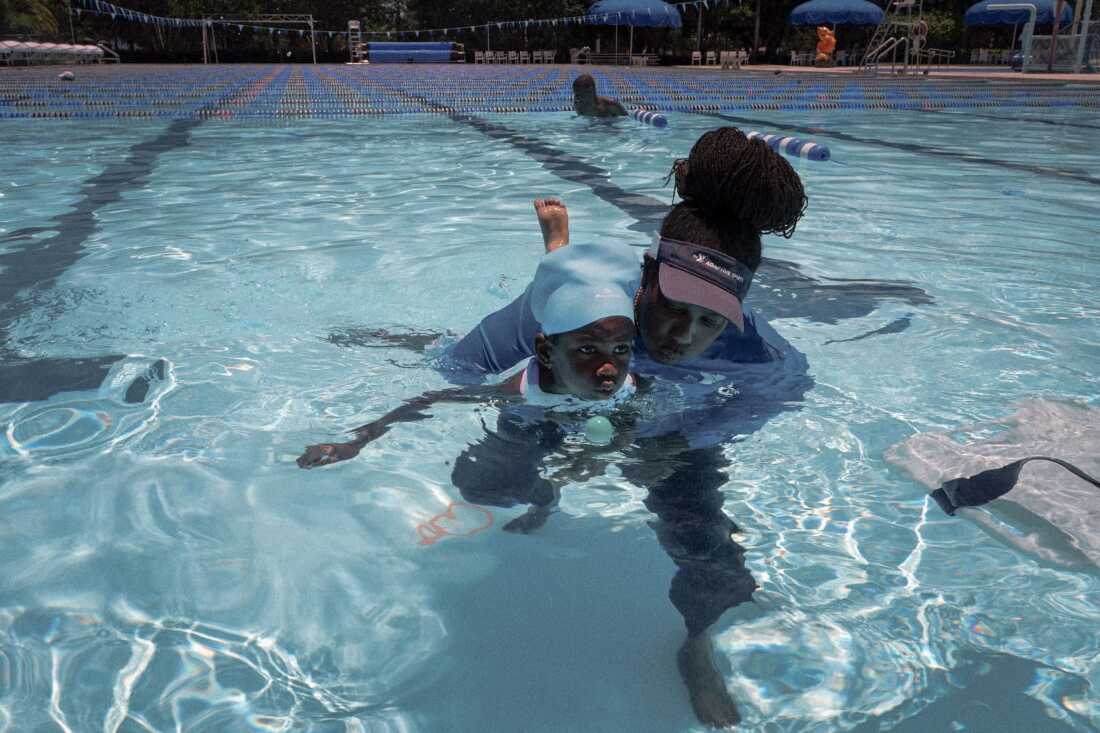
Mackenzie Wesley, at only five years old, thrives in the water. She loves swimming, much like the character Lilo from her favorite movie, Lilo & Stitch. Her father, Steven Wesley, explains, “Whether it’s the pool or the beach, she enjoys it fully.” This love for water is common among children with autism, offering sensory pleasure through its feel, pressure, and shine.
Living near Miami, Mackenzie is surrounded by water—a blessing and a risk. Her mother, Brittany Bucknor, knows the sobering statistics. “In Florida, there’s water everywhere,” she notes. For kids on the spectrum, there’s a higher risk of drowning. A 2017 study from Columbia University states that children with autism are 160 times more likely to drown than their peers. Most incidents occur in backyard pools, often because many autistic children wander off.
Swim Lessons as a Preventative Measure
Mackenzie participates in Swim Buddies, a YMCA of South Florida initiative for children with disabilities. This affordable program is why Florida is enlarging its voucher system, effective July 1. Children aged 1-7 with autism will receive priority for subsidized lessons. State Rep. Anna Eskamani emphasizes the need to prevent tragedies: “Tragedies are preventable with early access to swim lessons.” The voucher covers around $200, sufficient for up to eight lessons.
A Holistic Approach to Swim Instruction
The YMCA of South Florida offers adaptive recreational programs, with a focus on children with autism. Alison Bregman-Rodriguez, vice president, shares that the program serves over 600 kids. “We want all children to feel like they belong,” she says. Garland Jones oversees the special needs program, working to develop physical, emotional, and social skills in the students, alongside other therapists and volunteers.
Lessons emphasize individualization, with one-on-one instruction being crucial. “Some kids are eager to splash, while others are afraid,” explains Jones. Professor Tania Santiago Perez of Florida International University studies effective swim instruction here, and her research shows significant improvement in swim skills after only a few sessions.
Each lesson begins with an introduction to build trust. Afterwards, children enter the water only after receiving explicit permission. This structure aids those prone to “eloping” or sudden running. Toys like a sparkly rubber duck are often used to encourage participation.
The Challenge of High Demand and Limited Resources
While initiatives like the swim voucher program are promising, demand often exceeds supply. Facilities require more qualified instructors to handle unique challenges. “We need more trained individuals to ensure success,” says Jones.
Despite increased demand through vouchers, many facilities struggle to keep up without additional funding. Santiago Perez notes, “Access remains the primary issue,” with a third of applicants currently receiving vouchers.
Mackenzie’s recent achievement, attending her first pool party, highlights the program’s success. Her mother reflects on her progress: “She’s much more confident and a stronger swimmer.” For Garland Jones, seeing milestones like these affirms the importance of their efforts—allowing children to delight in water safely.