Scientists Discover Bacteria’s Role in Creating Cancer-Fighting Compounds
Breakthrough in Drug Creation
Researchers have uncovered how bacteria can construct cancer-fighting compounds, speeding up potential new treatments. Published in Nature Communications, the study details how enzyme systems connect to produce HDAC inhibitors. These compounds can disrupt cancer growth.
Dr. Munro Passmore from the University of Warwick highlighted the potential impact. He believes the discovery could accelerate drug development and allow for large-scale production at reasonable costs. However, Passmore noted the lengthy process for new drugs to reach patients is unchanged.
“The most promising candidates will still need the usual preclinical testing and clinical evaluation,” Passmore stated. “This often takes up to a decade and can exceed $1 billion.”
This drug class includes romidepsin, used for some blood cancers.
Bacterial Combinatorial Biosynthesis
Scientists have observed bacteria naturally producing similar compounds, but the process was unclear. The study focused on combinatorial biosynthesis, where bacteria create related molecules by combining biochemical components.
Two major bacterial systems—polyketide synthases (PKSs) and nonribosomal peptide synthetases (NRPSs)—assemble complex drugs like antibiotics and anti-cancer compounds.
Researchers studied a hybrid system producing depsipeptide HDAC inhibitors. These molecules share a core structure with varying peptide segments, affecting drug-target interactions.
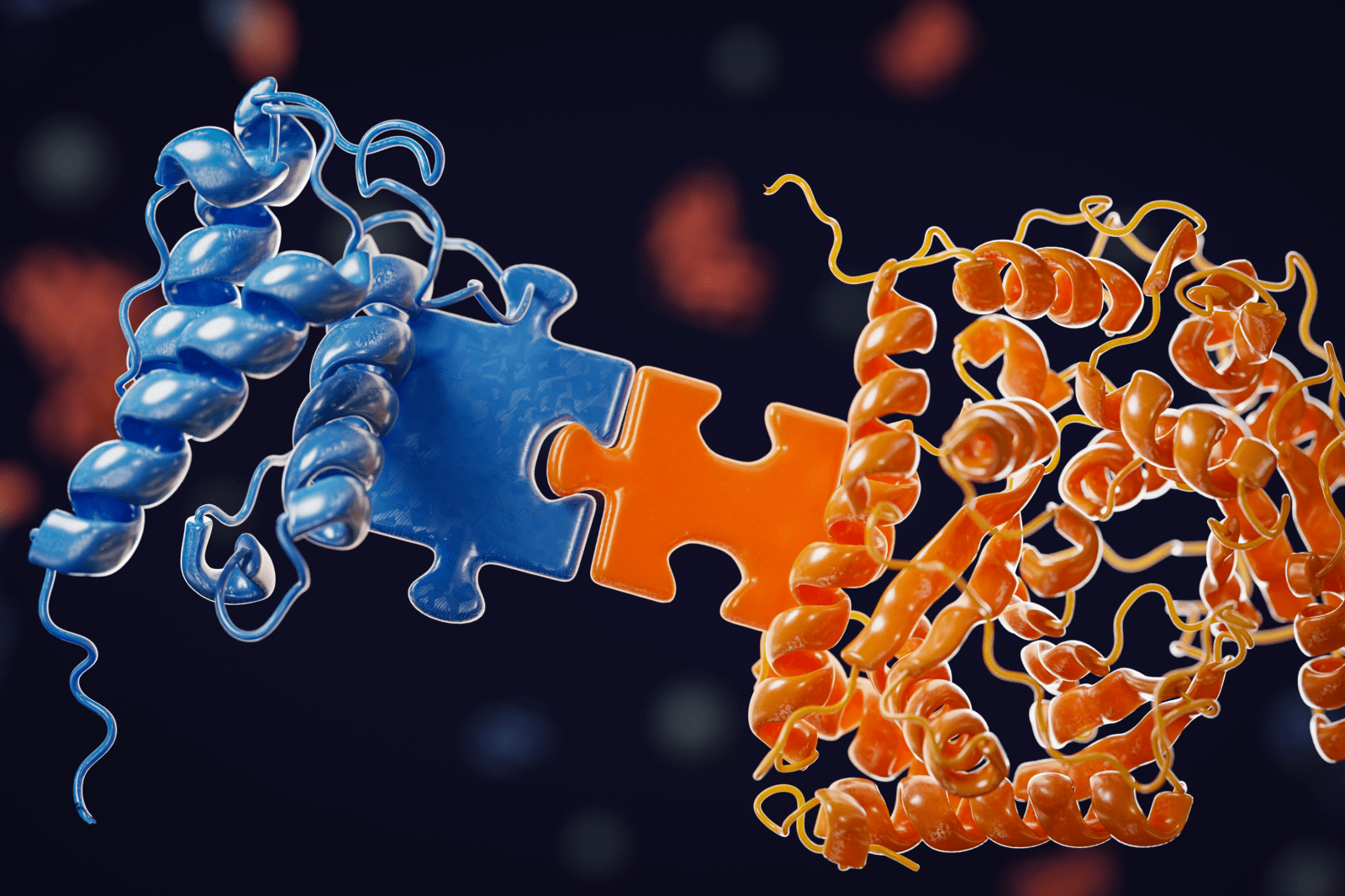
The team found enzymes for core construction and peptide addition connect physically through specific docking interactions. This enables collaboration between molecular machinery, creating new compound combinations.
Key Findings and Future Implications
A key finding was identifying how enzyme components recognize and bind to each other. The β-hairpin docking (βHD) domain is crucial, allowing enzyme systems to engage and transfer molecules along an assembly line. Disruption of this interaction stops compound production, highlighting its importance.
Researchers demonstrated different biosynthetic pathways’ enzyme systems can interact, showing flexibility. This could lead to novel molecule generation.
Professor Greg Challis from the University of Warwick emphasized the discovery’s significance for hard-to-treat cancers. “Data suggest drugs from this mechanism show activity against cancers unresponsive to current treatments,” Challis explained.
“Harnessing this mechanism in labs should help find new drug class members and allow scalable production for pre-clinical and clinical study,” Challis stated.
This breakthrough offers promising pathways for cancer treatment advancement.