Inflation Sees Significant Drop, Driven by Lower Energy Prices
In June, the inflation rate experienced a notable decrease, marking the largest monthly decline in six years. This change was attributed to lower costs in clothing, medical care, transportation, and a significant drop in energy prices. According to the Bureau of Labor Statistics, there was a 0.4% decrease in consumer costs last month, contrasting with a 0.5% rise in May. A key contributor to this decrease was the 5.7% drop in the energy index, the biggest since April 2020.
Despite the positive change, the future of energy prices remains uncertain, especially in light of disruptions in the Middle East due to the Iran war. The conflict has affected oil production and distribution, particularly with the closure of the Strait of Hormuz, a critical passage for global oil and gas shipments. Although there have been temporary pauses in hostilities and the strait’s reopening, recent escalations have hampered progress. President Donald Trump announced last week that the ceasefire has ended, and oil prices have surged to a monthly high.
Looking at a broader timeline, prices are still high compared to last year. Energy costs have risen 15.7% over the past 12 months, and overall inflation is 3.5% higher than last year, exceeding the Federal Reserve’s 2% target.
Tracking Everyday Costs
The Tribune monitors 11 essential costs: eggs, milk, bread, bananas, oranges, tomatoes, chicken, ground beef, gasoline, electricity, and natural gas. These costs are assessed monthly using CPI data from the U.S. Bureau of Labor Statistics.
Eggs: Egg prices fell by 5 cents in June, reaching a two-and-a-half-year low. A dozen large Grade A eggs are now priced at $2.14, 43% less than last year.
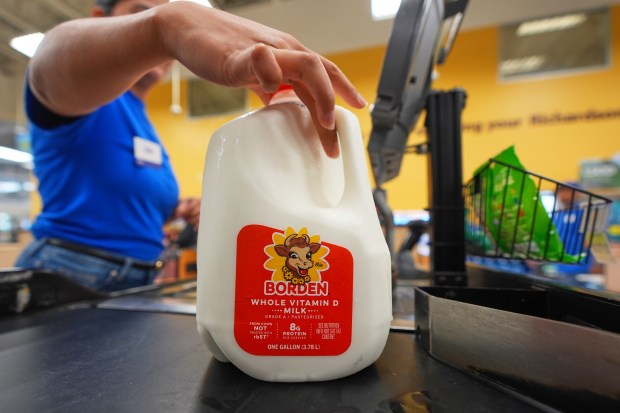
Milk: Milk prices increased by 10 cents month-over-month, hitting a record high of $4.32 per gallon. Rising production and dairy cow numbers suggest higher operating and distribution costs are influencing milk prices.
Bread: The price of bread decreased by 2 cents, with white bread costing an average of $1.81 per pound, down 3% year-over-year.
Bananas: Banana prices remained stable at $0.65 per pound for the third consecutive month. Prices have risen nearly 4% since Trump’s administration began.
Oranges: Orange prices are constant, averaging $1.54 per pound, down 6% over the last year. Prices usually rise in summer, peaking around September or October.
Tomatoes: Tomato prices dropped by 34 cents, settling at $2.15 per pound. Seasonal price declines are expected, but tariffs on Mexican-grown tomatoes have led to a 20% increase in retail prices since last year.
Chicken: Chicken costs remained steady, priced at $2.04 per pound. The price has seen little variation recently.
Ground Beef: Ground beef prices surged 26 cents, nearing $7 per pound, a record high. A domestic cattle shortage, worsened by unfavorable weather and screwworm outbreaks, is driving the price increase.
Electricity: Electricity prices are at a record high of 20 cents per kilowatt-hour, resulting in a monthly bill of about $178 before additional charges. Prices have risen by more than 10% since January 2025.
Gasoline: Gas prices fell by 46 cents, averaging $4.20 per gallon nationwide. In Chicago, prices dropped by 61 cents to $4.46 per gallon. Despite declines, prices remain higher than pre-war levels.
Natural Gas: Natural gas prices increased slightly by 1 cent per therm. High inventories and record production are limiting price increases. Americans pay 9% more than they did at the start of Trump’s second term.