Invasive Species Reshape U.S. Ecosystems
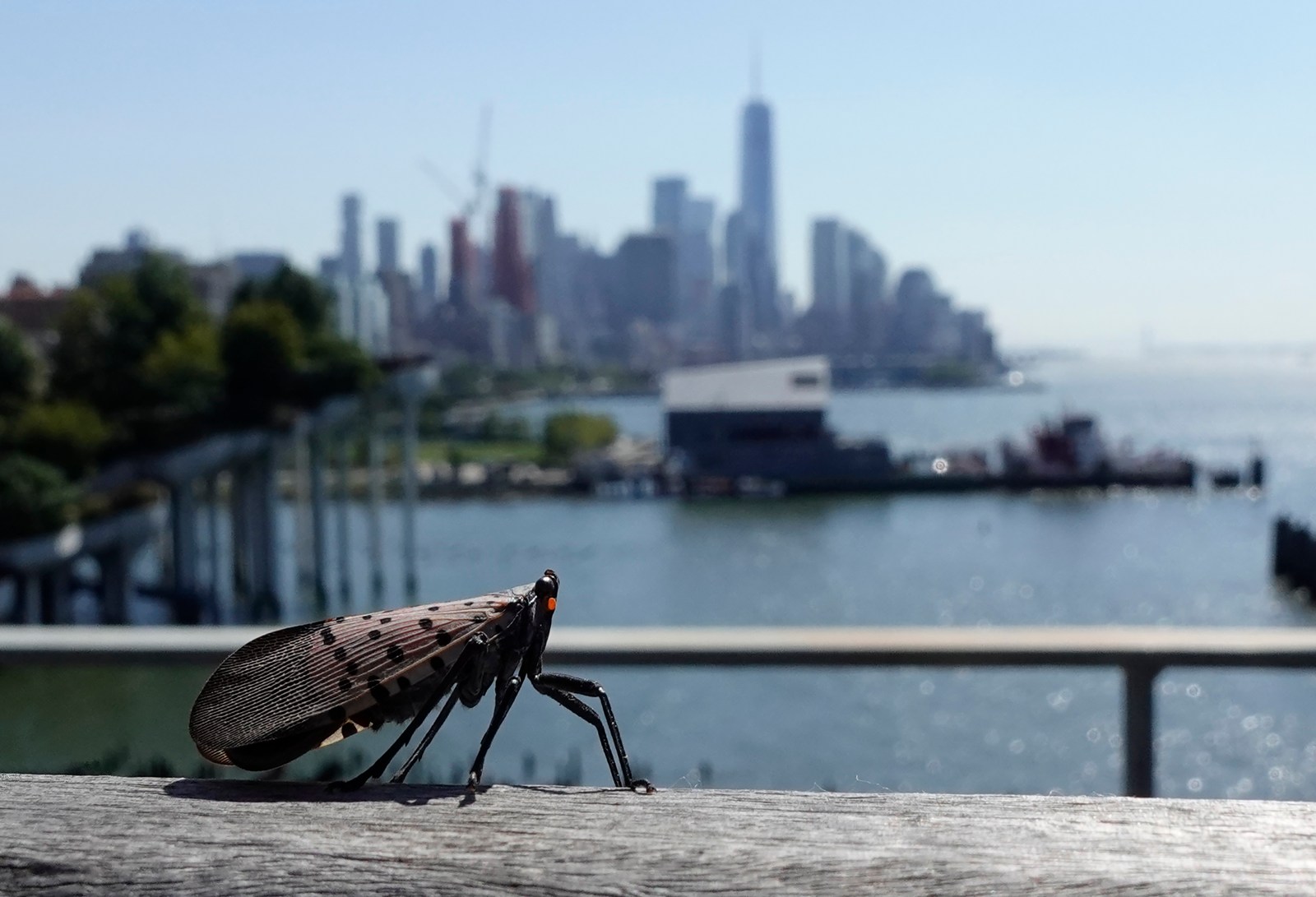
Warnings about invasive species have intensified recently, with scientists alerting that some may spread rapidly during the summer, reported USA Today. Across the United States, these ecological threats are not emerging risks; they are current challenges reshaping ecosystems.
The U.S. Geological Survey (USGS) states invasive species can damage habitats, outcompete native plants and animals, including species already vulnerable, and sometimes introduce disease. These species are expanding from the Midwest’s waterways to the South’s wetlands and the Northeast’s forests, driven by climate change, global trade, and environmental changes.
How Species Enter the U.S.
The U.S. faces a diverse range of invasive species, with non-native species entering through various channels, such as shipping containers and vessels’ ballast water, wildlife trade, imported plants, and even tropical cyclones. Authorities are developing measures to limit their spread, like transporting firewood restrictions, boat-cleaning requirements, eradication efforts, and controls on transporting fruits, vegetables, and plants.
There are nearly 15,000 records of reproducing non-native species filed with the U.S. Register of Introduced and Invasive Species. According to Sara Kuebbing, a research scientist at Yale School of the Environment, humans have been moving species for a long time, which poses high risks to economic, environmental, and human health.
Definition of Invasive Species
USGS scientists employ methods from field surveillance to genomic analysis to track these species and assess impacts. Their findings support federal, state, and local agencies’ efforts to prevent further spread and reduce ecological damage.
Experts note the increasing difficulty in containing these species, exploiting connected waterways, warming temperatures, and human transport. While management efforts progress, many populations are embedded in local ecosystems. Below are some common invasive pests and their prevalent regions:
- Golden Mussels: Originating in California, they reproduce quickly, attaching to hard surfaces in dense colonies, threatening water supply networks.
- Burmese Pythons: Established in Florida’s Everglades, they disrupt the local food chain, stemming from the exotic pet trade.
- Spotted Lanternfly: Starting in Pennsylvania, this pest harms crops and trees across the Northeast and Midwest.
- Feral Swine: These animals spread in the South, damaging crops, soil, and habitats while carrying diseases.
- Emerald Ash Borer: Infesting North American ash trees, this insect has destroyed tens of millions of trees.
- Northern Snakehead Fish: Known for resilience and predatory behavior, threatening native fish populations in the Mid-Atlantic.
- Asian Carp: Persistently invasive, dominating ecosystems in the Mississippi River Basin, threatening the Great Lakes.
- Nutria: Semi-aquatic rodents damaging Gulf Coast wetlands by contributing to erosion.
- Giant African Land Snail: Causing crop damage in Florida and carrying human parasites.
Adapting to Changing Ecosystems
These species indicate an ongoing ecological shift across the U.S. Invasive species are no longer isolated, but part of a wider pattern influenced by climate change and global movement. Scientists and policymakers now focus on containment and adaptation, confronting a landscape already transformed.