Iran Condemns Trump’s Assertion Over the Strait of Hormuz
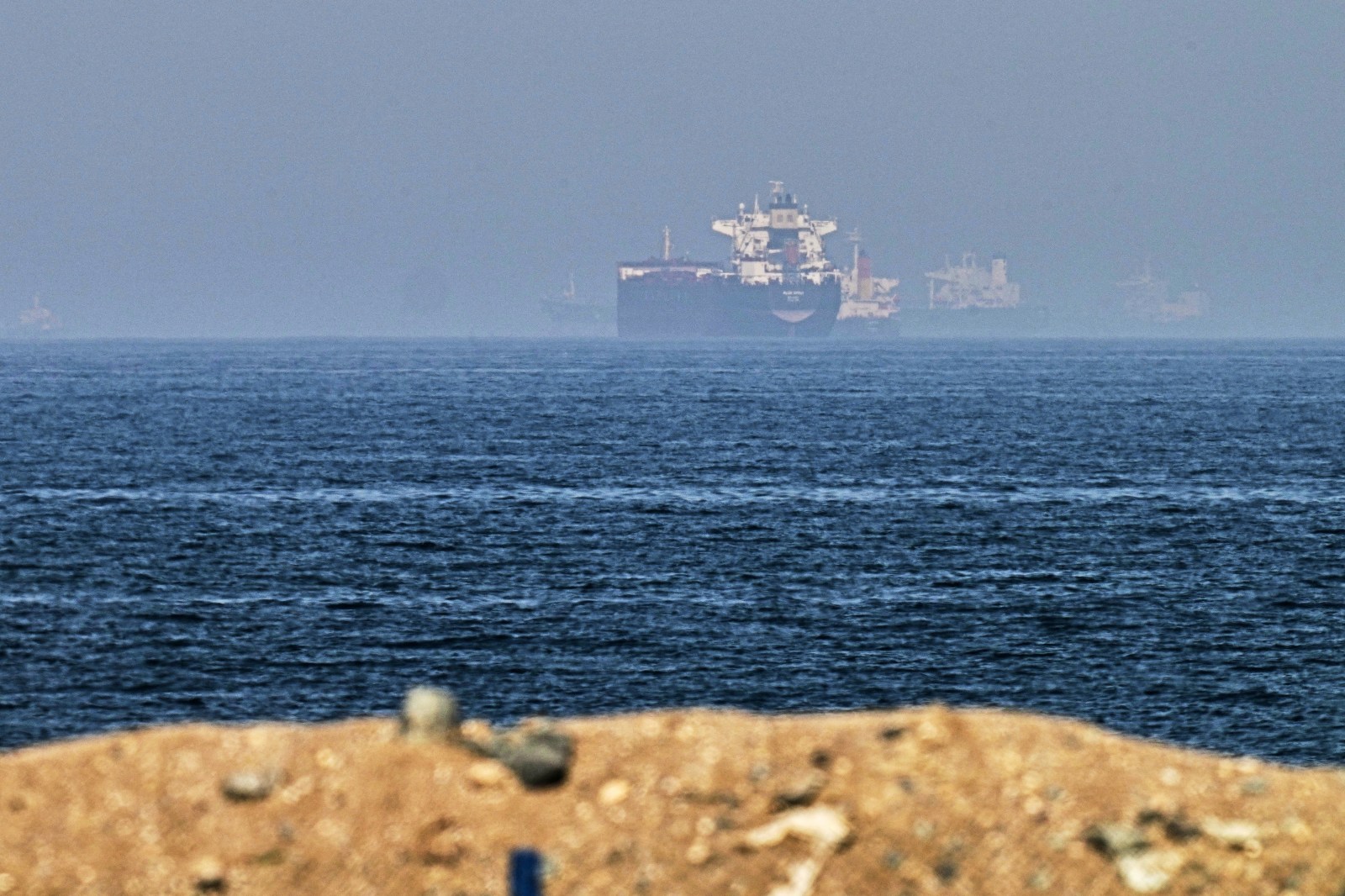
Iran has vocally criticized President Donald Trump’s remarks suggesting the United States might declare the Strait of Hormuz a U.S. territory. Iranian officials called Trump’s statements ‘delusions,’ amid growing tensions surrounding this vital energy corridor.
During an appearance on Long Island, New York, Trump indicated that after defeating Iran, he would ‘pretty soon’ declare the strait as U.S. territory. He argued that Washington effectively governs the waterway through a naval blockade of Iranian ports.
Iran responded promptly. Deputy Foreign Minister Kazem Gharibabadi affirmed Iran would not succumb to threats, emphasizing that the strait’s regulation remains under Iranian control.
Trump has said that after Iran’s defeat, he will soon declare the Strait of Hormuz as U.S. territory! The Strait of Hormuz cannot be seized by tweet, nor by aircraft carrier, nor by issuing an order, nor by an election speech. Iran neither fears threats nor cowers before displays of power.
Gharibabadi stressed, The Strait of Hormuz has been Iranian, is Iranian, and will remain Iranian; this strait will only be closed and opened under Iran’s command, and as long as you do not accept the reality of defeat and cease your fanciful delusions, Iran will continue to enforce the blockade.
Significance of the Strait of Hormuz
This strait connects the Persian Gulf to global markets, managing about one-fifth of the world’s seaborne oil and natural gas shipments. Any control disputes here have major implications for international energy supplies and global markets.
The dispute adds to the ongoing tensions between the U.S. and Iran, which began in late February. Iran claims parts of the channel as within its territory, while the U.S. insists on free commercial passage. This standoff has already led to increased fuel prices and shipping disruptions.
Patterns in Trump’s Statements
Trump’s comments align with previous statements about increasing U.S. influence over strategic global areas. A Newsweek analysis highlighted discussions on Greenland, Canada, the Panama Canal, Gaza, Cuba, and Iran’s Kharg Island.
Shipping Control Initiatives
During this tension, Iran and Oman aim to craft a framework for future shipping through the strait. Iranian officials propose charging vessels fees for navigation, security, and maritime services.
A Financial Times report suggested JPMorgan analysts indicated Iran and Oman could set a legal basis for fees if framed as compensation for services like navigational safety, as done in the Danish Straits and Turkey’s Bosporus.
While maritime laws generally prohibit charging solely for passage, fees related to services like pilotage are allowed. JPMorgan noted collaboration with Oman could create a mechanism fitting maritime principles.
Iranian authorities stated that talks with Oman are in progress, although they remain linked to broader negotiations with the U.S. Tehran insists the U.S. must halt its naval actions to resume normal commercial traffic.
Ongoing Conflict
Since the war began on February 28, tensions involving the U.S., Israel, and Iran remain unresolved despite a June memorandum aimed at reducing hostilities. The agreement included Iran’s commitment to ensure safe commercial vessel passage through the Strait of Hormuz, but mutual accusations of violations persist.
Continued lower-intensity fighting has stalled discussions on sanctions, shipping rights, and regional security. A major sticking point remains the strait’s management, with Iran demanding an end to U.S. pressure before reopening.
The conflict’s economic impact is evident, with Americans experiencing rising gasoline prices. Trump acknowledged these price increases, urging viewers to consider them as a cost for preventing Iranian nuclear weapon development.