Iran’s Shift in Threat Strategy Against the UK
London—Iran has made a significant change in its strategy to attack the United Kingdom, focusing on tougher targets like military bases. Britain’s domestic spy agency, MI5, issued this warning on Tuesday.
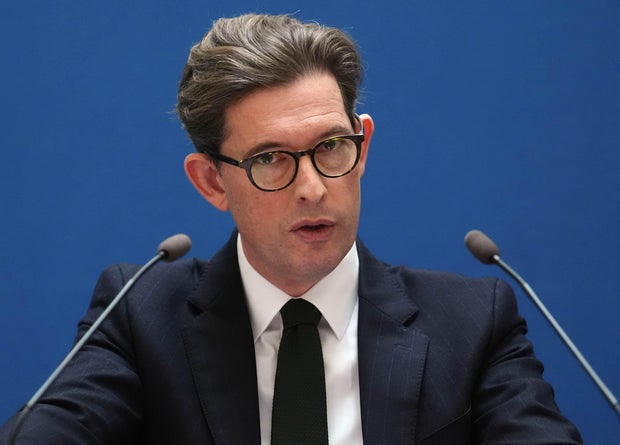
In an annual threat update at MI5 headquarters, Sir Ken McCallum outlined the country’s growing challenges. These include threats from hostile foreign governments, terrorism, and the potential misuse of artificial intelligence.
Iran, he stated, is aggressive in subcontracting its violent operations in the U.K., utilizing criminal proxies to intimidate dissidents, Iranian media bodies, and Israeli locations.
He expressed solidarity with British Jewish communities targeted by these actions. There is a shift towards targeting military installations, McCallum added.
More than 50 arrests linked to Iran were made in the UK over the past year. This statement follows arson and sabotage incidents targeted at Jewish communities and other sites across Europe.
Military details remain undisclosed due to ongoing investigations. Nevertheless, there was a noticeable plot against the RAF Fairford air base, thwarted in late September.
The United States moved its long-range bombers off the base after the incident. British Prime Minister Andy Burnham suggested the Iranian regime orchestrated these acts through the Islamic Revolutionary Guard Corps.
McCallum reinforced that not all Iranian activities are easily attributed to Tehran, indicating subcontracting through proxies.
British counterterrorism police suggested the RAF Fairford incident might involve proxies working knowingly or unknowingly for a foreign entity. Iran, like Russia, has been frequently accused of using individuals unwittingly for sabotage across Western Europe.
The Iran-aligned group Harakat Ashab al-Yamin al-Islamia, claimed responsibility for attacks earlier this year, including synagogue attacks in the Netherlands and Belgium. The group vowed to continue its threats against U.S. and Israeli interests.
Russia’s Increasing Hostility
McCallum emphasized Russia as the primary aggressor among hostile foreign actors. MI5’s state-threat cases have quadrupled over the past decade. Resources are concentrated on countering these threats, more so than during the Cold War.
He described Moscow’s hybrid warfare against Britain and its allies, including cyberattacks and sabotage. These activities aim to destabilize European nations as Russia faces struggles in Ukraine.
Despite managed conventional threats, Russia, Iran, and others deploy unconventional tactics below standard armed conflict levels.
Artificial Intelligence Concerns
AI’s rapid evolution stands central in McCallum’s address. He credited AI with intensifying the cybersecurity contest between attackers and defenders.
AI poses risks in generating tailored propaganda and radicalization material, aiding hostile actors to spread extremism.
McCallum expressed concern about AI’s potential in enhancing biological weapons or assisting malicious actors in developing new ones.