Israel’s Upcoming Election and Itamar Ben-Gvir’s Rising Influence
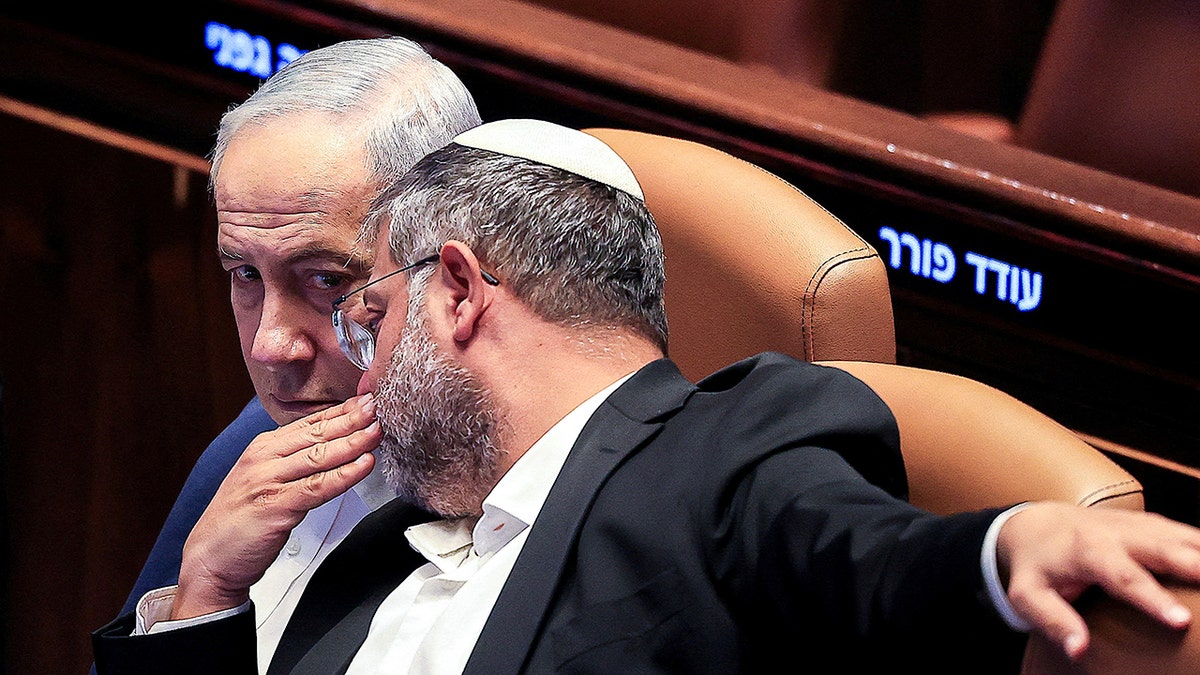
In the lead-up to Israel’s election on October 27, the Otzma Yehudit Party, led by National Security Minister Itamar Ben-Gvir, is projected to win between seven and ten seats in the Knesset. This outcome could make Benjamin Netanyahu’s Likud Party reliant on Ben-Gvir’s support, potentially granting him significant roles within a future government.
This political rise aligns with a trend observed across Europe and the West, where parties like Marine Le Pen’s National Rally in France and Geert Wilders’ Party for Freedom in the Netherlands have gained ground. Other examples include Pauline Hanson in Australia, Matteo Salvini in Italy, and Alice Weidel from Germany’s Alternative for Germany (AfD).
Ben-Gvir’s Role and Controversies
As national security minister, Ben-Gvir oversees Israel’s internal security functions, which include the Israel Police, Israel Prison Service, and civilian firearms licensing. Yishai Fleisher, a candidate on the Otzma Yehudit list, suggests Ben-Gvir’s policies reflect a ‘law and order’ approach, akin to Texas in the U.S.
Critics, including former Israeli Ambassador to Washington Danny Ayalon, argue Ben-Gvir has harmed Israel’s international standing, portraying it negatively. Ayalon notes that Ben-Gvir’s statements have contributed to Israel’s negative image globally. Despite Ben-Gvir’s attempts to address issues like protection rackets in southern Israel, divisions remain over his approach.
Social and Political Dynamics
Fleisher claims mass immigration in Europe has led to unrest, prompting Israelis to support conservative stances. He believes tough-on-crime candidates like Ben-Gvir are popular due to fears of unrest reaching Tel Aviv. Ben-Gvir, once a Jewish nationalist activist, has transitioned into a political figure. Despite a controversial past, he gained public office in 2021 and became minister of national security following the 2022 elections.
Ben-Gvir’s critics often highlight his lack of military service and past legal issues, such as his 2007 conviction for supporting a terrorist organization and inciting racism. Supporters argue he has matured, moving away from extreme positions over time.
Future Political Alignments
Ben-Gvir’s future role remains uncertain, as Netanyahu may opt to exclude him from future governments, potentially forming alliances with opposition figures like Gadi Eisenkot. Current political campaigns emphasize disagreements; for instance, contrasting messages from Ben-Gvir and Likud highlight internal conflicts over his ministerial position.
However, Ben-Gvir’s influence persists. He has been noted for increasing firearms permits, enhancing rapid-response capabilities, and promoting stricter prison conditions. In March, Ben-Gvir supported a death-penalty law approved by the Knesset, aiming to deter criminal activities.
The competitive political landscape highlights the uncertainty surrounding the election. Polls indicate Netanyahu’s bloc narrowly trails behind the opposition, led by Yashar party chief Gadi Eisenkot, with both sides lacking a clear path to a majority in the 120-member Knesset.