Kamala Harris Leads Early Polls for Democratic Presidential Candidates in 2028
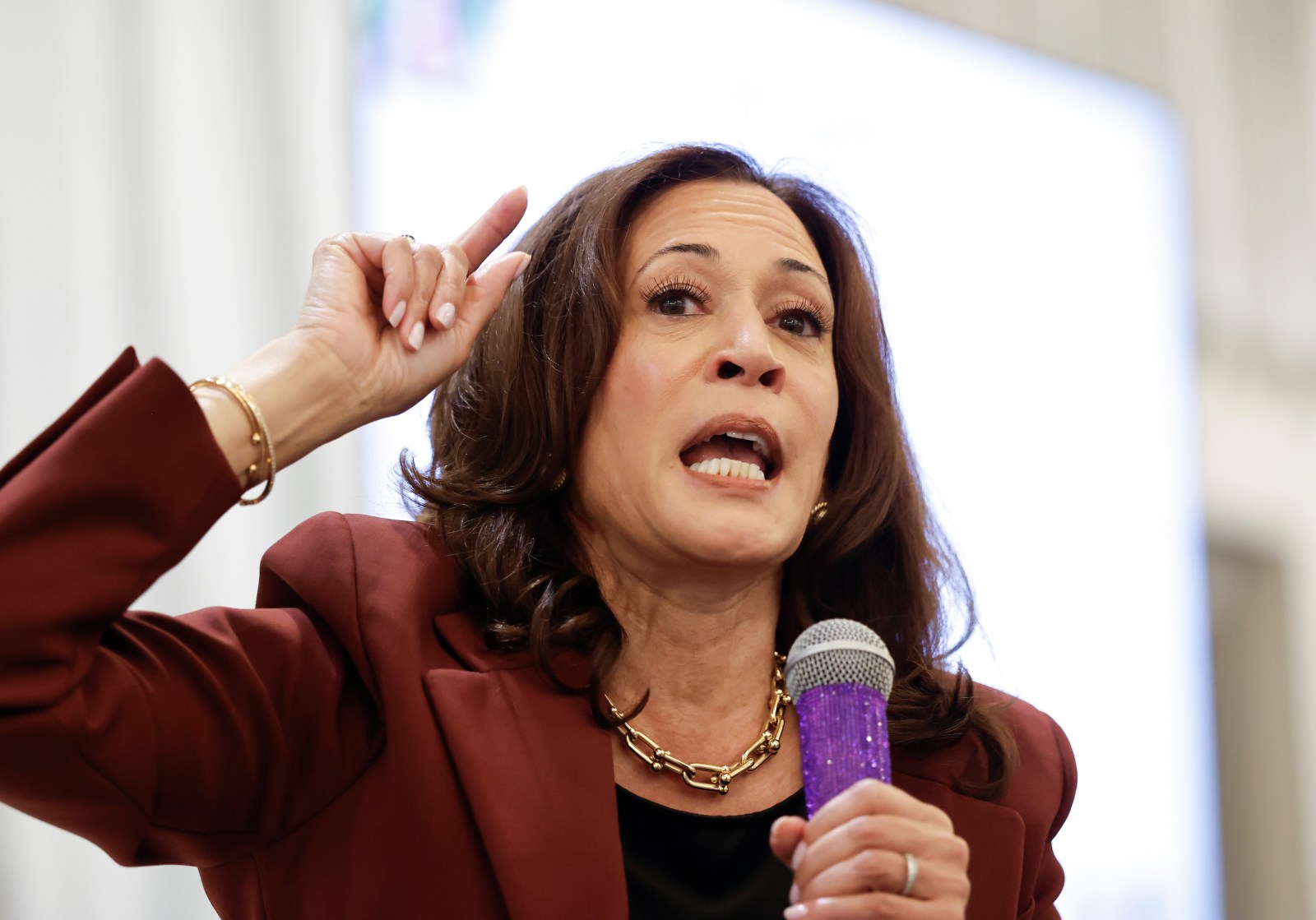
Former Vice President Kamala Harris holds a 15-point lead over California Governor Gavin Newsom in a recent poll for potential Democratic presidential candidates in 2028. Despite not having announced a bid for the presidency, the Financial Times/Focaldata survey reveals that 30% of those considering the Democratic nomination support Harris, compared to 15% for Newsom.
Former Transportation Secretary Pete Buttigieg and New York Representative Alexandria Ocasio-Cortez both garnered 9% support, while Georgia Senator Jon Ossoff followed with 8%. The survey was carried out from October 2 to October 5, including responses from 2,553 U.S. adults. Unlike specific candidate races, the generic ballot measures preference for party control of Congress.
The findings come ahead of the November midterm elections and amidst speculation on who will lead the Democratic Party after GOP President Donald Trump’s second term.
Recent polls have consistently shown Harris as a frontrunner among prospective candidates. A Harvard CAPS/Harris survey in late September found Harris at 38% and Newsom at 17%. The new results reinforce Harris’s early lead, highlighting the uncertainty surrounding the 2028 presidential race.
Harris’s Stance on Running in 2028
Harris has remained non-committal regarding a 2028 presidential bid since losing the 2024 election to President Trump. In July, she announced her undecided stance on another White House campaign. Amid renewed scrutiny, Harris engages with Democratic donors and supports candidates ahead of midterms.
An October 6 Washington Post report highlighted pressures within the Democratic Party, with some members advocating for Harris’s experience and support base while others suggest a fresh candidate post-2024 defeat. While Harris holds a strong position in early primary polling, voter dedication can shift before elections commence.
Newsom’s Decision Not to Challenge Harris
The poll carries weight given Newsom’s remarks on a potential presidential clash with Harris. In a September CNN interview with Jake Tapper, Newsom expressed his intent not to run if Harris pursues the presidency. He explained, “I wouldn’t do that to her” and acknowledged their overlapping political support.
While Newsom considered running in 2024, he chose otherwise, leaving open the chance for a 2028 campaign should Harris abstain. Newsom continues to expand his national influence, campaigning beyond California and critiquing the Trump administration.
Ocasio-Cortez Keeps Options Open
Ocasio-Cortez hasn’t ruled out a 2028 presidential bid. In an August appearance on ABC’s This Week, she mentioned her focus on midterms but kept her options open. Emphasizing her ambition beyond particular office goals, she aims to enact national changes.
With a 9% showing in the latest survey, her attention-grabbing support for Michigan Senate candidate Abdul El-Sayed increases her national profile. Other potential Democratic candidates include Governors Josh Shapiro, Andy Beshear, and JB Pritzker, although none has formally declared their intent.
Republican Candidate Polling
The same Financial Times/Focaldata survey shows Vice President JD Vance leading prospective Republican candidates. Vance received 38% support, followed by Secretary of State Marco Rubio with 24%. Florida Governor Ron DeSantis held 9%, while Donald Trump Jr. secured 7%.
The Republican polling aligns with past surveys, with Vance’s standing remaining stable. These numbers provide early insight into voter preferences rather than defining the final candidate lineup.
Democrats’ Midterm Polling Advantage
Alongside presidential polling, Democrats show an eight-point lead over Republicans on the generic congressional ballot. As the 2026 elections approach, such results offer a glimpse into the broader political scene where potential presidential hopefuls cement their national profiles.
For Harris, her dilemma lies in translating early polling success into a White House campaign. For Newsom, her decision influences his potential challenge for nomination.