Keisha Lance Bottoms Joins 2026 Georgia Governor Race
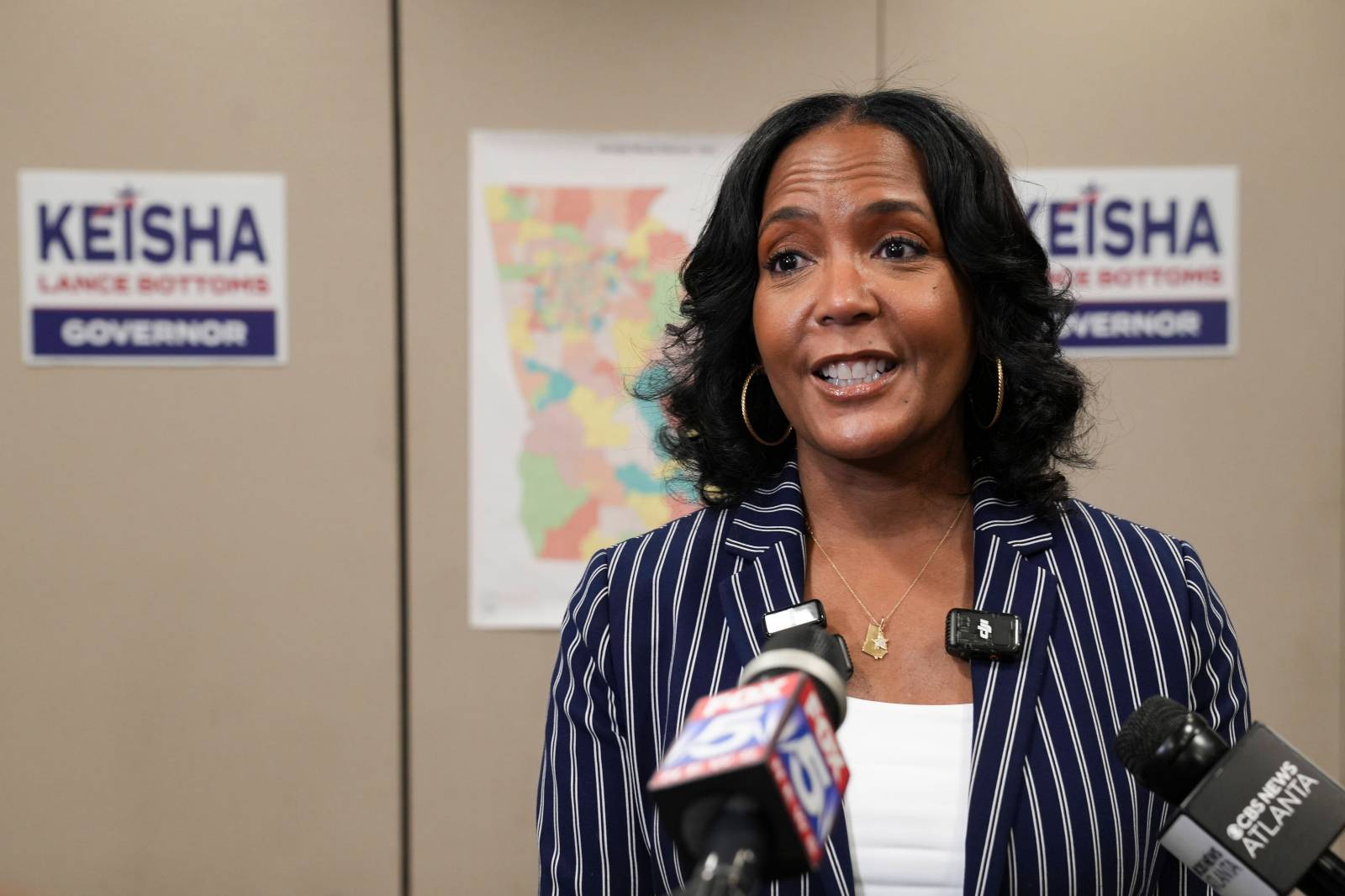
Former Atlanta Mayor Keisha Lance Bottoms has entered the 2026 Georgia gubernatorial race with significant momentum and a rare opportunity for Democrats in a state that has not elected a Democratic governor in decades. Republican Governor Brian Kemp is term-limited, providing Democrats a chance at the governor’s office in an open contest.
Bottoms is polling ahead of her Republican opponents and fares better than Stacey Abrams did at this point in 2020 against Kemp. With the runoff over, Republicans are consolidating support around one candidate, posing a tough challenge for Bottoms.
Democratic Primary Victory
Bottoms has cleared an essential hurdle by decisively winning the Democratic primary in May. This victory has enabled her to quickly unify her party, while Republicans were engaged in a costly and bruising runoff between Lieutenant Governor Burt Jones and businessman Rick Jackson. Early polling indicates she is competitive—and often slightly ahead—against her Republican rivals.
The race remains highly fluid. Georgia stands as a key swing state, and the November outcome will depend on turnout, national political conditions, and whether Republicans can unite after a divisive primary.
Facing Rick Jackson
Rick Jackson emerged victorious from the Republican runoff, securing 52.7 percent of the vote when the Associated Press called the race. A face-off with Jackson presents an unpredictable challenge for Bottoms.
Jackson, a wealthy healthcare executive, has invested tens of millions of his own money in the race, positioning himself as an outsider willing to challenge the Republican establishment. His self-funding offers him a significant advantage in advertising and messaging, enabling him to campaign without traditional party donors.
This outsider image could appeal to voters dissatisfied with both parties or wary of career politicians. It allows Jackson to distance himself from internal GOP conflicts that persist after the runoff. However, Jackson lacks the institutional experience and political connections that Jones would have had. His campaign focuses on business credentials and tax cut promises, rather than a lengthy legislative record. This contrast could make him vulnerable to attacks from Bottoms, who can highlight her time as Atlanta mayor and her federal public service experience.
A poll from Concord Public Opinion Partners, sponsored by Education Reform Now Advocacy, found Bottoms leading Jackson by 15 points. Kalshi, a prediction market, gives Bottoms a 53 percent chance of winning compared to Republicans’ 49 percent. Though tighter since April’s end, when Bottoms had a 64.9 percent probability of winning, Polymarket gives her a 56 percent chance against Republicans’ 44 percent.
Jackson’s financial capabilities might narrow that advantage. His campaign spending has already helped him rise to a competitive position in the primary, potentially reshaping the general election if he continues extensive media spending.
Historical Context for Democrats in Georgia
One major challenge for Bottoms is the historical backdrop. The last Democratic governor of Georgia was Roy Barnes, serving from 1999 to 2003. Republicans have since maintained a strong hold on the office. While Democrats have made strides in federal races, the gap—more than two decades without a Democratic governor—highlights the difficult path to victory.
Georgia’s increased competitiveness, demonstrated by Democrat wins in Senate races and a narrow victory in presidential contests, has yet to translate into gubernatorial success. Kemp’s 2022 reelection by over seven points underscored the GOP’s resilience at the state level.
For Bottoms, breaking this streak requires robust Democratic turnout and crossover support from independents and moderate Republicans, which Democrats often find challenging in gubernatorial races. The open-seat situation in 2026 presents a unique opportunity. Without an incumbent, the race resets, allowing Democrats to capitalize on favorable conditions that may not exist in incumbent-led contests.
The Role of Trump’s Approval Rating
The national political environment, particularly Trump’s standing, could influence the race outcome. Recent polling suggests Trump’s approval rating is low in Georgia, with a net approval of -20 percent. According to Civiqs, Trump has a 41 percent approval rating. His handling of the economy and issues like the war in Iran have affected his standing.
Trump’s weakened approval ratings could hinder efforts to win over independents and suburban voters, especially in a closely contested state like Georgia. For Bottoms, Trump’s low standing may offer a strategic advantage. Her campaign portrays the Republican field as closely associated with Trump, aiming to engage voters opposed to his policies.
Despite this, Democrats cannot entirely depend on anti-Trump sentiment. Georgia’s electorate remains deeply divided, and presidential approval ratings alone are unlikely to decide the outcome without a compelling candidate-specific appeal.
Bottoms enters the 2026 governor’s race in a stronger position than any recent Democratic candidate, yet her victory path is narrow. She benefits from early polling leads, a unified party, and potentially favorable political conditions. However, she faces structural challenges, such as the long Democratic drought in gubernatorial races and a well-funded Republican opponent.
The race will likely depend on turnout, independent voters, and the national political climate. With Georgia continuing as a battleground, even small voter sentiment shifts could determine the result.