Ken Paxton’s Influence on Abortion Laws: A Strategic Overview
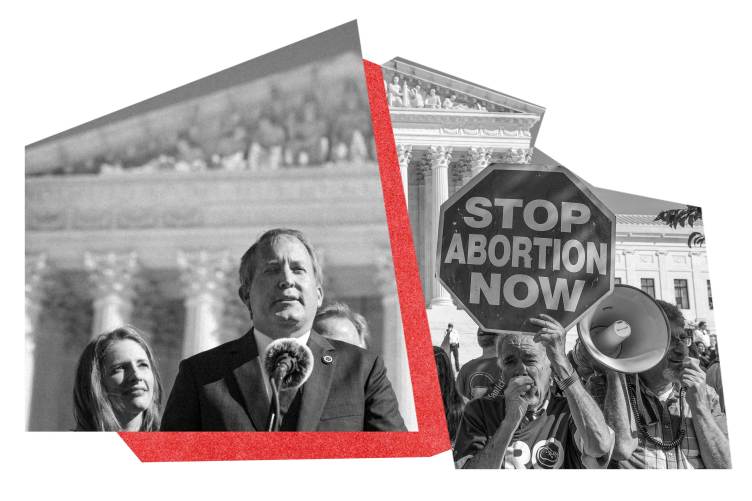
Early in his role as Texas attorney general, Ken Paxton expressed his views on abortion clearly. In 2016, he issued a statement marking the anniversary of Roe v. Wade, describing it as a national tragedy due to the absence of millions of unborn lives. Paxton, committed to challenging abortion rights, made significant strides in this pursuit, playing a crucial role in the defense and advancement of restrictive abortion laws in Texas.
Paxton’s approach typically involves testing legal boundaries. In 2021, his defense of a Texas law that banned most abortions was upheld by the U.S. Supreme Court, even before the overturning of Roe v. Wade. This made Texas’s legislation a model for other states. When Roe was overturned, Paxton continued to push boundaries, confronting the Biden administration and challenging states that supported abortion rights.
Legal Strategies and National Impact
Paxton’s methods have reshaped the landscape of abortion laws across the United States. He has been influential in both state legislation and wider national efforts. His tenure as attorney general may change if he wins his U.S. Senate race, limiting his autonomy in favor of collaborative legislative efforts. His advocacies, however, set a precedent for others aiming to limit or redefine abortion laws at the federal level.
He has relentlessly tested the boundaries of law in pursuit of his goals.
Legal analysts expect him to back fellow legislators pressuring for changes in federal abortion regulations. Paxton has indicated openness to further restrictions, including those affecting in vitro fertilization, even as he declares support for IVF.
Challenges and Criticisms
Paxton’s rigid stand and legal maneuvers have sparked significant controversy. He has faced criticism both for his actions and personal conduct. Yet, his impact on abortion laws remains a significant part of his legacy. His legislative opponents, including Democratic candidate James Talarico, criticize his extreme measures which have had tangible impacts on women’s access to reproductive healthcare in Texas.
Cases involving the severe health repercussions of Texas’s restrictive laws underline the real-world consequences. For instance, pregnant women in emergencies faced dilemmas due to rigid abortion laws, illustrating the harsh effects of Paxton’s victorious litigations.
Legal Battles and Court Victories
Paxton’s significant victories include blocking federal emergency care guidelines that could have enabled abortions in high-risk situations. He effectively argued that federal mandates like EMTALA should not override state laws. His successes in the courts have emboldened similar actions in states like Idaho, leading to confusion and legal predicaments over emergency care provisions.
These judgments have serious implications on healthcare providers, resulting in conditions where doctors hesitate, unsure whether performing life-saving procedures might lead to legal repercussions. The result has been increased patient risk and notable healthcare providers moving operations across state lines.
Expanding Influence Across States
Paxton has pioneered legal strategies that went beyond traditional boundaries. He pursued out-of-state doctors who treated Texas patients via telehealth, provoking debates on the reach of state laws. This approach has been adopted by other states, further extending the implications of his legal strategies nationwide.
We’re seeing the chaos right now and the confusion.
Moreover, Paxton has targeted ancillary entities involved in abortion services. His relentless legal pursuits have not only reshaped laws within Texas but inspired similar actions in other states. Observers recognize him as instrumental in the broadening perception of who might be legally accountable under restrictive abortion laws.
Paxton’s enduring legacy as an anti-abortion force continues to shape debates and policies both in Texas and beyond. As he aims for a Senate seat, his past actions hold significant implications for the future of reproductive rights legislation in the U.S.