La Brea Tar Pits Renovation: Safeguarding the Past for Future Exploration
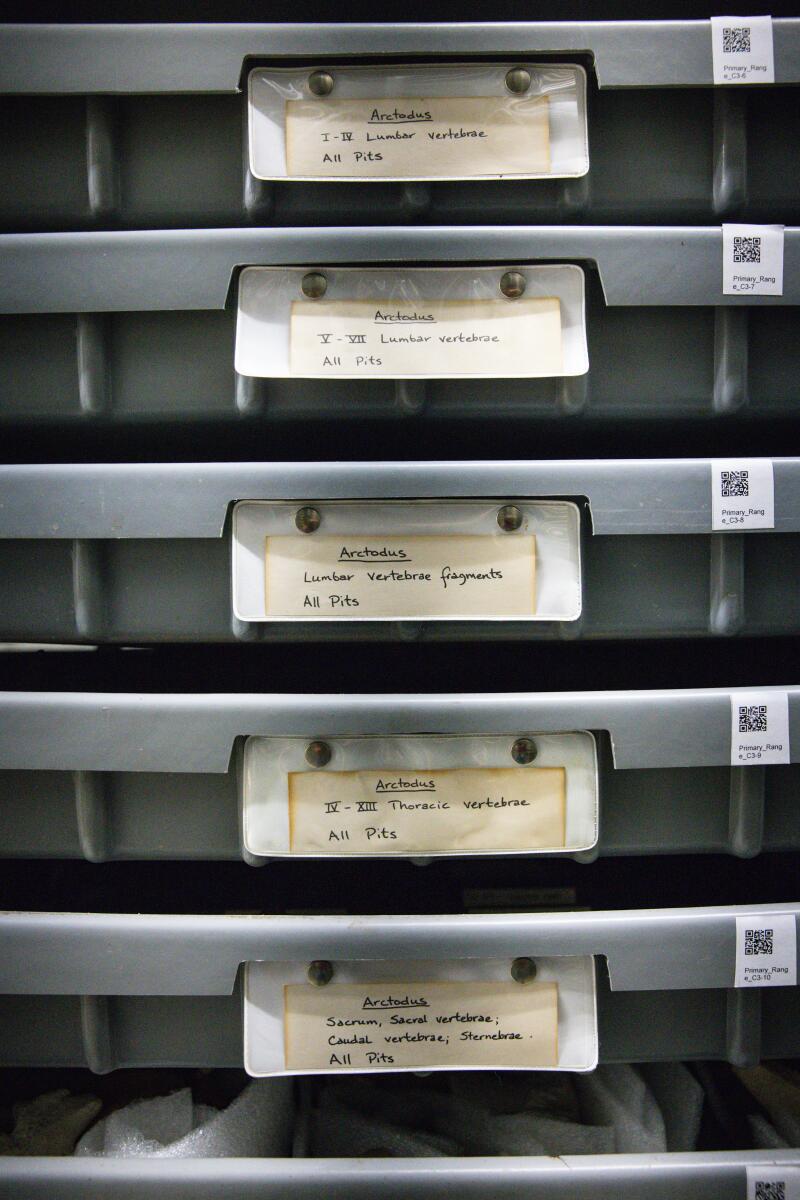
The La Brea Tar Pits will close for an extensive renovation starting July 6. The changes will transform the museum into the Samuel Oschin Global Center for Ice Age Research, set to open in summer 2028. During this renovation, a vast array of fossils, including bison skulls, camel hips, and dire wolf ribs, will be carefully packed and stored.
In its current state, the museum holds 3.5 million fossils that capture the ecosystem of the late Pleistocene epoch. These fossils provide insight into the area around Los Angeles stretching back 60,000 years.
Regan Dunn, a paleobotanist and curator, explains the significance of the tar pits as a natural trapping ground. They have collected biological remnants throughout the ages, painting a vivid picture of ancient life. These fossils reveal past climates, extinctions, and ecological shifts, similar to changes seen today.
The museum, known officially as the George C. Page Museum, opened in 1977. It will undergo modifications to reflect current scientific understanding. One misconception often seen in exhibits is the idea of tar acting like quicksand when in reality it was just sticky enough to trap animals, which then succumbed to environmental factors or predators.
Visitors have expressed what they wish to see in the remodeled museum. Iconic exhibits, such as the outdoor mammoth family sculptures and fun features for children, will remain. New features will include a more accurate portrayal of the landscape and improved indoor spaces for exhibitions and education.
The museum’s new layout aims to enhance the display of its collections and offer more opportunities for education. The inner courtyard will feature plants that existed during the late Pleistocene, such as cypress and toyon.
Volunteer and staff efforts are underway to safely pack the displays. Fossils will move to other Natural History Museum properties during the renovation. The Fish Bowl, a lab with glass walls where visitors watch scientists clean fossils, will be expanded in the new design. A unique aspect of the renovation ensures that schoolchildren will still engage with these exhibits through mobile programs and continued fossil conservation work.