Latin America’s Political Shift: A Security-Driven Rightward Move
Former U.S. President Trump congratulated Colombia’s presidential candidate Abelardo De La Espriella, known as ‘El Tigre,’ following an initial ballot count that indicated a potential victory. Although not officially confirmed, De La Espriella’s narrow lead hints at a right-wing political shift in Colombia. This event underscores a broader trend across Latin America towards conservative governance.
Latin America has experienced considerable changes in its political landscape. Countries such as Argentina, Chile, Paraguay, Peru, Colombia, Honduras, El Salvador, Ecuador, and the Dominican Republic now lean towards right-wing, center-right, or security-first governments. These align with Washington’s strategic posture. Conversely, Mexico, Brazil, Uruguay, and others have not embraced this shift, while Cuba and Nicaragua remain under authoritarian rule. Venezuela serves as a cautionary tale, illustrating the loss of legitimacy in left-wing regimes.
“The region’s political map has been reordered,”
Recent shifts also result from the U.S.’s strategic adjustments in Latin America. Washington’s approach moved from mere pressure to enforcing strategic actions, with implications on countries like Cuba during energy crises and the Iran war. The United States displayed its capacity to destabilize or remove hostile regimes, utilizing sanctions, fuel control, and military leverage. This strategic evolution reframed Latin America as a crucial security perimeter rather than a diplomatic afterthought.
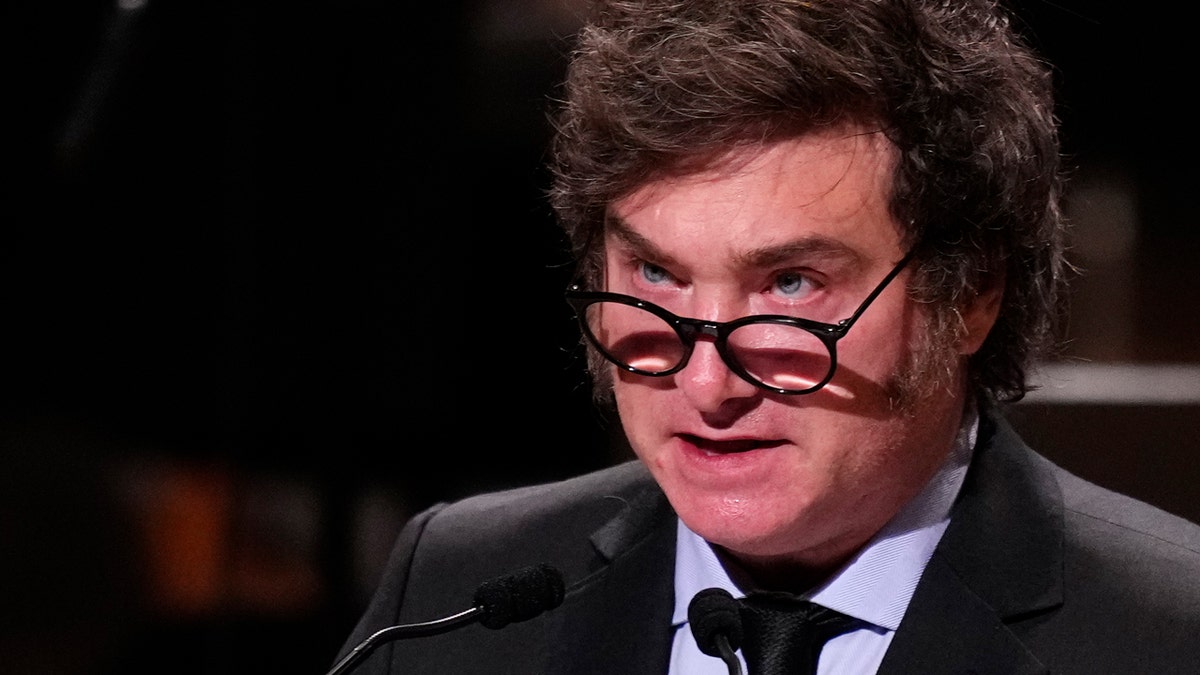
Argentina’s President Javier Milei, as an example, commemorated Holocaust and Heroism Day in Buenos Aires, showcasing this evolving strategy. These moves across Latin America were not isolated occurrences but strategic sequences altering political realities.
“The political calculus across the region changed,”
Specifically, Maduro’s downfall shifted perceptions regarding what actions Washington might pursue. Cuba’s fuel issues highlighted the dangers inherent in leftist scarcity. The Iran war propelled energy concerns, influencing elections in nations like Chile and Colombia. These factors collectively reshaped incentives for leaders, voters, business elites, and security forces.
The appeal of right-wing politics can be attributed to dissatisfaction with weak governance. People are inclined to support forceful responses when they feel vulnerable, evident in El Salvador through President Nayib Bukele’s approach. His security-driven politics, characterized by emergency powers, mass detentions, and military presence, have become highly influential in the hemisphere.
Colombia and Peru exemplify the widespread adoption of this security-first ideology. Abelardo de la Espriella’s rise in Colombia was fueled by legislative gridlock, failed peace strategies, and other challenges. Likewise, Keiko Fujimori’s victory in Peru stemmed from a security-centric approach amid political turmoil.
“Voters abandoned by institutions may reward the leader who looks willing to break them,”
The demand for stronger governance reflects the broader regional context shaped by structural pressures from the U.S. and the exhaustion after the ‘pink tide.’ Trump has provided geopolitical framing for these shifts, treating Latin America as a security zone crucial for addressing cartels, migration, and influences from other nations.
Aligning with Washington now signals strength, seriousness, and protection to both investors and security personnel. It also indicates resistance against drifting towards regimes like Havana or Beijing. Trump’s posture towards regime pressure highlights the alignment value, making right-wing politics appear as a feasible external safeguard.
A more U.S.-aligned Latin America could improve areas like counternarcotics cooperation, migration management, and countering Chinese influence, restoring American regional leverage. Nevertheless, nations must differentiate between projecting power and effective governance.
An effective government enhances its systems – police, judiciary, border control – ensuring that law prevails beyond individual leadership. The prevailing tendency in Latin America suggests that public demand for order and alignment with Washington outweighs previous patience with the left.
Thus, the new right in Latin America must now demonstrate effective governance to address public and international expectations.