Colonial Eating Habits Making a Comeback
Many American colonial eating habits have reemerged in recent years. Colonists consumed minimally processed, locally sourced whole foods, often incorporating organ meats into their meals. European explorers and settlers introduced livestock and Old World crops to North America centuries before the nation was founded.
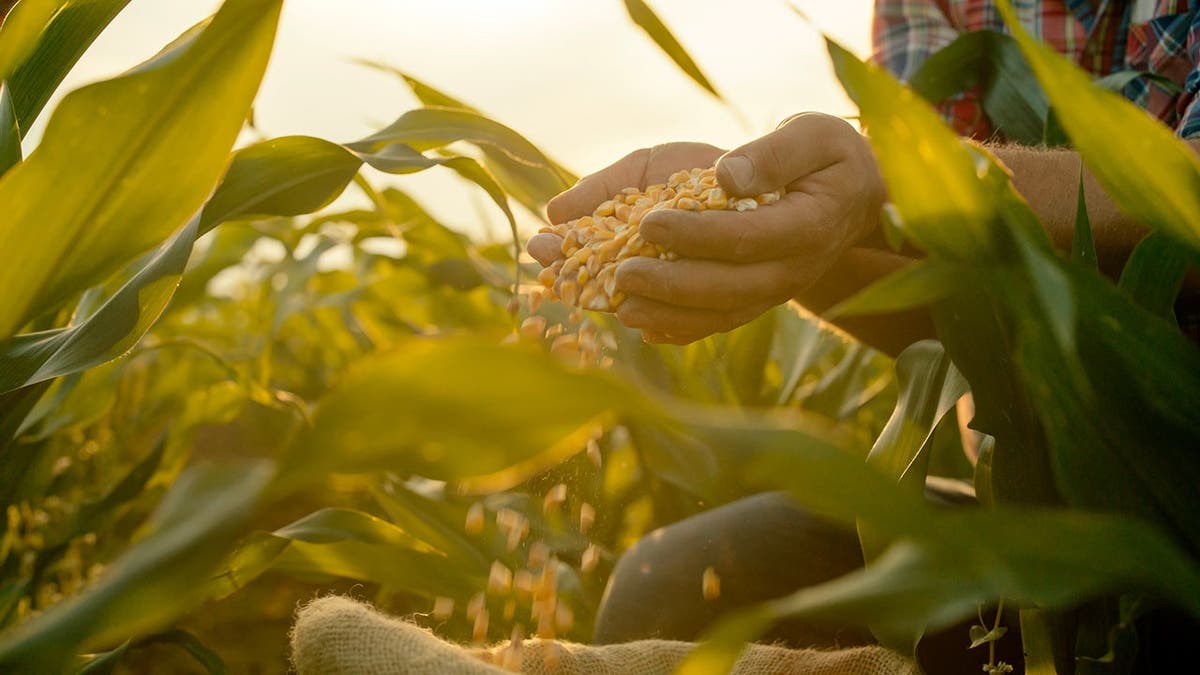
Early settlers adapted European culinary traditions with ingredients found in North America, according to the Center for the Study of the Presidency and Congress (CSPC). Indigenous peoples introduced corn to the colonists, which became a core ingredient in many recipes. They also incorporated crops like beans, squash, and potatoes into their meals.
Cornmeal was used in dishes like hasty pudding—a porridge similar to polenta—and johnnycakes, simple griddle cakes popular from New England to the South.
The CSPC website offers recipes for early-American foods such as Cornmeal Johnnycakes and roast pork with cream cheese. Corn became a staple food after Indigenous peoples taught settlers how to cultivate it. Regional customs and crops greatly affected the colonists’ diets, with rice and okra thriving in the South, which was also influenced by French and African cooking. Dutch, English, and German immigrants settled in the north and developed its culinary traditions.
According to NPR, seafood like rockfish and crab were central to early Maryland settlers’ diets. Joyce White, a local food historian, noted that meat was a status symbol and that beef was especially prized, while chickens were often kept for egg production.
Thomas Jefferson, known for his extravagant tastes, enjoyed French wine and macaroni and cheese. His diet included black-eyed peas, turnip greens, and ham. Meanwhile, the working class relied on salted and preserved meats such as bacon, sausage, and liver pudding. The upper classes afforded luxuries like white flour and sugar.
Interest in traditional foods has grown as Americans embrace diets focused on whole, minimally processed ingredients. Supporters of the Make America Healthy Again movement promote organ meats as affordable, nutrient-dense foods. Stews evolved with ingredient availability, reflecting a common colonial practice.
Colonists consumed significant amounts of alcohol. Adrian Miller, author of “The President’s Kitchen Cabinet,” noted how openly they drank. George Washington recorded a recipe for “small beer”—a low-alcohol brew that was quick to make and safe to drink due to its germ-killing brewing process. It served as an everyday beverage.
Registered dietitian Lisa R. Young cautioned against fully adopting a colonial diet, noting its high sodium and saturated fat content from processed meats. She advised focusing on its healthier aspects, like whole foods, vegetables, beans, whole grains, fish, and lean proteins. Young also warned against emulating excessive ale drinking, a common practice among some Founding Fathers.