Legal Battle Over Home Prayer Gatherings Highlights Circuit Court Divide
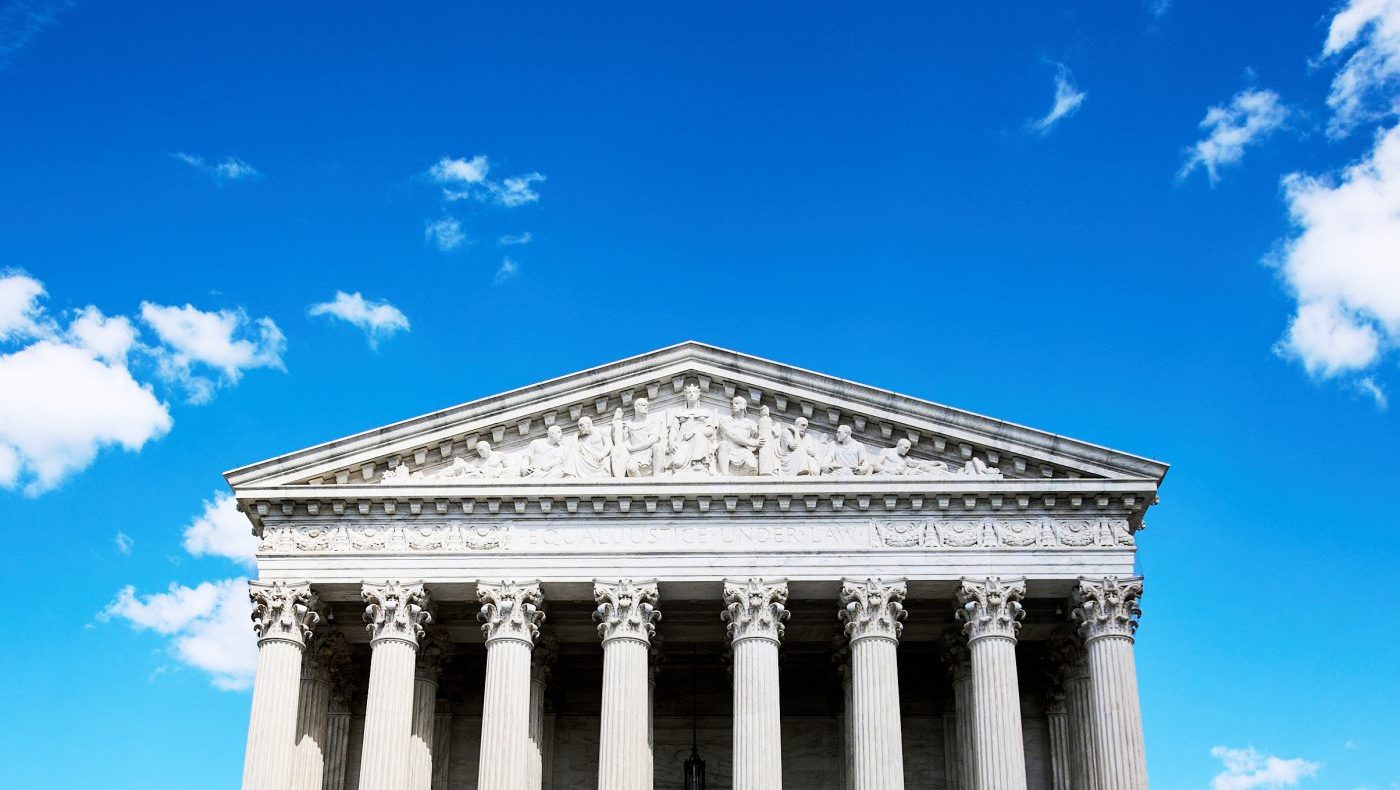
The Supreme Court, seen here in Washington on April 30, 2026, is at the center of a legal debate involving religious freedom in residential areas. Many families across the nation engage in prayer rituals before meals without seeking government approval. Daniel Grand, an Orthodox Jew from University Heights, Ohio, faced a surprising situation when attempting to do so.
Grand wanted to host prayer gatherings at his home, following a religious requirement to pray with at least ten Jewish men, known as a ‘minyan.’ This practice is essential, particularly on the Sabbath and Jewish holy days, when travel is restricted. However, local authorities responded with a cease-and-desist order, demanding Grand obtain a special-use permit.
Grand aimed to pray, not create a synagogue.
Despite his intentions, opposition arose. Some neighbors protested the potential classification of their neighborhood as Jewish. At a public zoning hearing, Grand encountered hostility and administrative delays. The city encouraged neighbors to monitor his home, and police surveillance increased. Alleged housing violations became a tool for harassment, affecting Grand financially with withheld taxes and disrupted services.
If approved, zoning rules for a synagogue would prevent him from residing at his home. This paradox led Grand to sue the city, citing a First Amendment infringement. He sought federal court intervention but faced a procedural hurdle. Certain federal appeals courts allow legal recourse upon rights violations, but others, including the 6th Circuit in Grand’s situation, require exhausting local processes first.
The emergence of this ‘circuit split’ creates uncertainty. In some cities like Boston or Atlanta, Grand’s case might have progressed differently, while in others such as Cleveland, legal pathways remain blocked.
Grand’s situation highlights broader concerns about religious discrimination through zoning laws. He argues that had his gatherings involved secular activities like poker or book clubs, the city’s reaction would differ. The case underscores how some authorities misuse regulations to curtail religious practices, challenging the boundaries of constitutional protection.
This legal conflict necessitates Supreme Court scrutiny to resolve inconsistencies across jurisdictions. Only then might this issue of religious assembly find clarity under the law.
John Bursch, a senior counsel at Alliance Defending Freedom, offers insight into this ongoing legal debate.