Lessons from Jason Arday’s Controversial Legacy
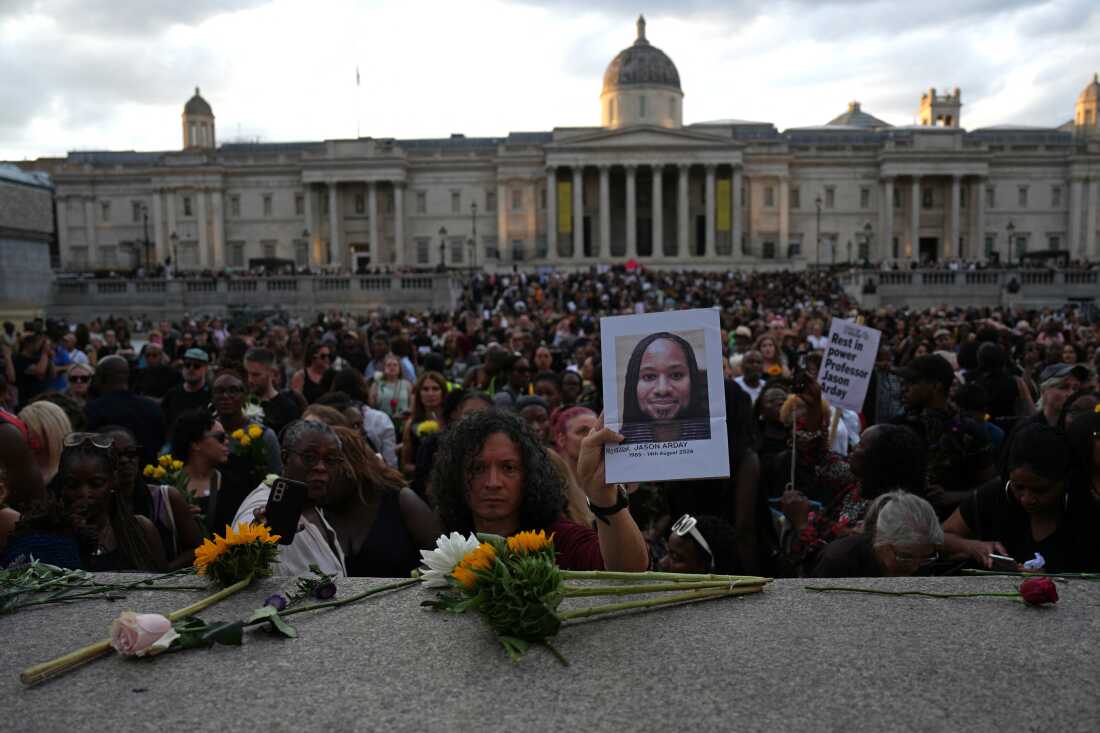
Jason Arday, a prominent academic, passed away amid serious allegations. His death has sparked discussions on race, academia, and institutional practices.
Arday built a career focusing on race, inequality, and education. His achievements include becoming the youngest Black professor at Cambridge University in 2023. However, he faced accusations of dishonesty regarding his personal and professional claims. Found deceased on August 14 at age 41, Arday had denied any intentional wrongdoing and resigned as scrutiny escalated. He was also the subject of online racial attacks, persisting even after his departure.
The controversy surrounding Arday transcends the allegations. His rise and fall highlight broader issues within academic institutions. Some see his story as evidence that diversity objectives could overshadow academic criteria. Others view his experience as indicative of the racial scrutiny facing Black academics.
Arday’s achievements, like claiming to be mute until age 11 and illiterate until 18, raised skepticism. The extraordinary nature of his claims led some, like Tyler Austin Harper from The Atlantic, to consider him a ‘serial fabulist.’
Questions arose not only about Arday’s professional work but also his personal history. The originality of these concerns traced back to individuals with contentious views on race, causing reluctance to address them publicly due to potential racial biases.
Harper, who spoke with NPR, emphasized the tension between supporting diversity and dealing with possible violations of academic integrity. He criticized universities for potentially treating minority academics as symbols rather than scholars, questioning if institutions adequately vetted Arday before his appointment at Cambridge.
Without simple solutions, Harper highlighted the need for academic environments to move past defensiveness. This shift could help reduce perceptions of institutional failure.