Limited Access and Information Control Hamper Flood Relief Efforts in Tibet
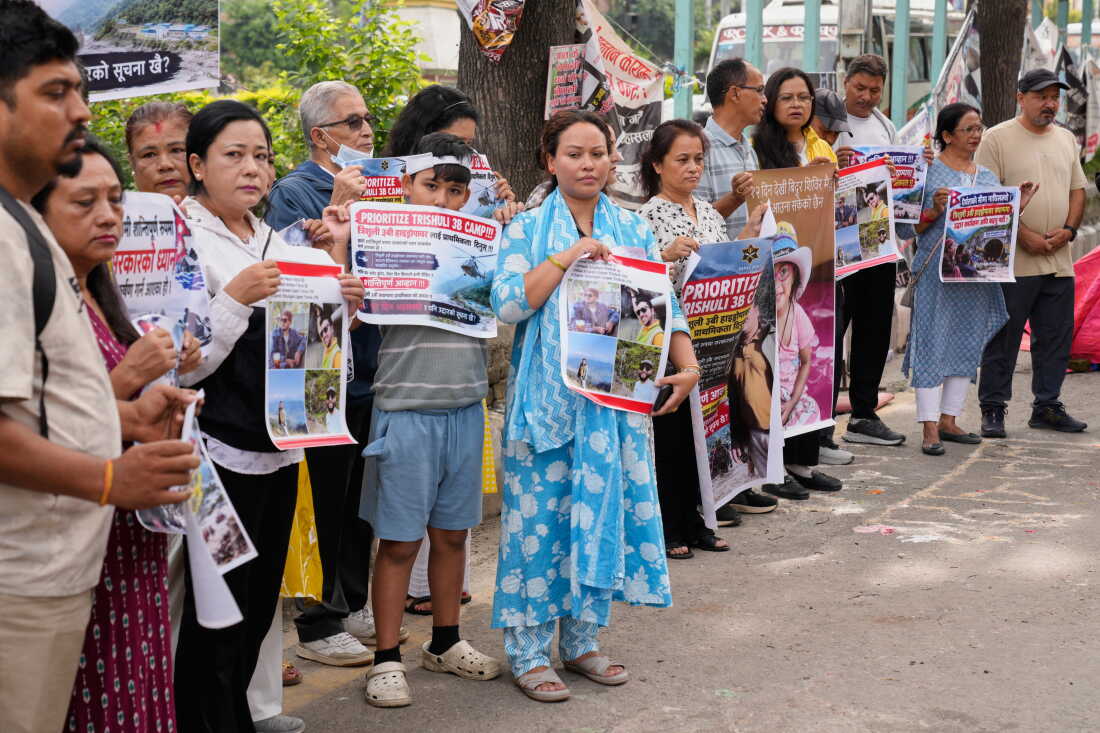
Relatives of those missing due to recent flash floods held a demonstration in Kathmandu, urging authorities to intensify their search efforts. The floods devastated areas along the Nepal-China border on August 26. Immediately following the disaster, Nepalese officials provided lists of missing foreigners, detailing their names, ages, and nationalities. Conversely, it took Chinese authorities five days to announce that 261 foreigners were missing in Tibet, spanning 23 countries.
Nepal’s situation reflects a significant loss, with reports of over 1,300 dead and about 5,000 missing. China’s reports indicate over 40 dead and more than 500 missing. The Chinese government limits reporting from Tibet, restricting the flow of information. David Bandurski from the China Media Project notes that China’s state-run outlets, Xinhua and CCTV, dominate information dissemination to shape public perception. He emphasizes that censorship has intensified over the past decade, reaching unparalleled levels.
Restricted Access in Tibet
Organizations monitoring the flood aftermath point out the restricted access to Gyirong County in Tibet. This contrasts with the Nepal side, where journalists and aid groups accessed affected areas freely. Ryan Fioresi from the International Campaign for Tibet highlighted the transparency on Nepal’s side, which facilitated international aid and reporting.
In Nepal, international aid agencies provided updates, while the police and disaster management authorities used social media to disseminate information. In contrast, China’s government controls foreign journalists’ access to sensitive regions like Tibet. It took days for media outlets to gain entry, and only a select few were allowed limited visits.
Concerns Over Censorship
Fioresi believes the actual toll in Tibet, including potential loss of homes and life, could be higher than official figures. He also noted the restrictive conditions for Tibetans in affected areas, which hinder communication and rescue efforts. Despite repeated inquiries, China’s foreign ministry has not responded. Previously, spokesperson Guo Jiakun denied underreporting of casualties, claiming transparency in information release.
Chinese commercial media, like the Beijing News, have attempted limited independent reporting. However, censorship restricts their capabilities. In contrast, during the 2008 Sichuan earthquake, media defied directives to provide extensive coverage. Bandurski noted that current commercial media refrain from independent flood reporting.
Bandurski also mentioned government censorship of videos showing flood impacts. Despite official denials, such materials are often removed. A number of individuals have faced penalties for allegedly spreading false flood information.
Chinese state media focus on reporting rescue efforts and governmental responses. Coverage highlights rescue teams’ activities, including extensive operations at the Gyirong-Rasuwa border. Reports on the victims remain sparse compared to those on rescue efforts.