Lindsay Clancy’s Case Raises Questions on Mental Health Treatment
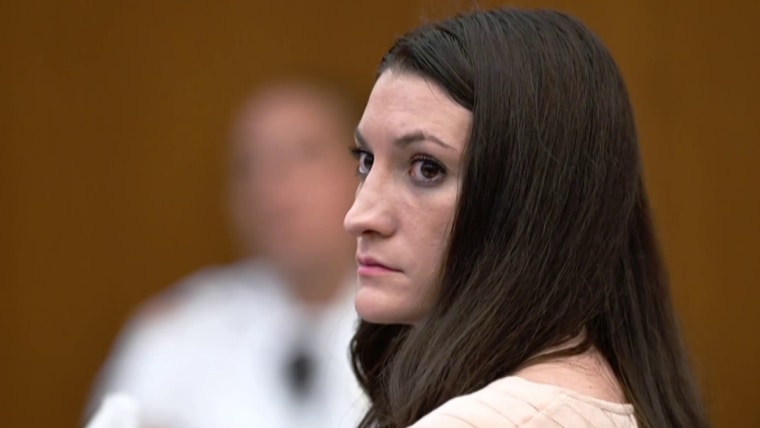
In the period preceding the tragic events involving Lindsay Clancy and her children, Clancy sought extensive help for her mental health struggles. She consulted psychiatrists, contacted a suicide hotline, and visited emergency rooms seeking inpatient care, only to face obstacles in receiving the necessary treatment. Over four months, Clancy was prescribed 13 different medications as medical providers attempted to address her symptoms and adverse medication reactions.
The case of Lindsay Clancy, 36, accused of killing her three children—Cora, 5; Dawson, 3; and Callan, 8 months—on January 24, 2023, has drawn significant attention. After committing the acts, she attempted suicide by jumping out of her bedroom window.
Prosecution and Defense Arguments
Prosecutors devoted nearly six weeks to building their case against Clancy, presenting 70 witnesses to argue that the deaths were premeditated. They claimed she orchestrated her husband’s absence to carry out the act. In contrast, Clancy’s defense cited postpartum psychosis, a rare and serious condition that can drastically affect a mother’s reality perception, as the catalyst for her actions. They indicated her mental state drove her to act based on the voices she heard.
Clancy’s Search for Help
Throughout the trial, questions emerged regarding the effectiveness of the care Clancy received. Her medical records indicate that her providers adjusted her treatment as needed. Providers testified about challenges such as incomplete access to her medical history and lack of coordination among themselves. There was uncertainty over when Clancy altered or stopped her medication regimen.
Expert Insights
Dr. Veerle Bergink from Mount Sinai’s Women’s Mental Health Center discussed the trial’s insights, stating, “Diagnosis was often missed and the necessary treatment wasn’t provided.” Bergink noted that Clancy’s adverse reactions to antidepressants should have raised alarms about a possible postpartum psychosis diagnosis.
Dr. Tracy Moran Vozar highlighted systemic issues in the healthcare system. She pointed out flaws in communication and coordination, especially for patients like Clancy who have serious mental health conditions and see multiple providers.
“It’s a tragedy not only for the family but also for the medical professionals involved,”Bergink added.
Timeline of Medical Treatment
September 2022
Clancy began her course of treatment with Dr. Jennifer Tufts at Aster Mental Health. She reported experiencing symptoms like anxiety attacks, a depressed mood, and racing thoughts. Tufts diagnosed her with generalized anxiety disorder and an adjustment disorder with a depressed mood, initially prescribing sertraline (Zoloft). However, Clancy experienced worsening symptoms after an increase in dosage.
October-November 2022
In October, after a distressing reaction to Zoloft, Tufts discontinued its prescription. Medications like lorazepam (Ativan) and buspirone were trialed. Despite these medications, Clancy’s condition deteriorated, leading her to emergency hospital visits and multiple consultations, with new prescriptions such as fluoxetine (Prozac) being trialed.
December 2022
In December, Clancy’s struggles continued. She sought help through hotlines and attempted inpatient treatment but was inadequately aided. Despite continued medication adjustments—including the addition of diazepam (Valium) and lamotrigine (Lamictal)—her symptoms persisted, including mentions of suicidal ideation without a formulated plan.
January 2023
In January, Clancy was hospitalized at McLean for several days, yet showed no signs of psychosis upon release. On her final days with psychiatrist Tufts, she was still on varied medication prescriptions without significant symptom relief.
By January 23, in her last appointment, Clancy still expressed numbness and fatigue, with no reported suicidal or homicidal ideation or psychosis. The following day, she tragically ended her children’s lives.
If you or someone you know needs support, contact the 988 Suicide & Crisis Lifeline via call or text at 988, or visit 988lifeline.org for a confidential conversation 24/7. Additional resources are available at SpeakingOfSuicide.com/resources.