Veteran Sae Joon Park’s Path to Returning to the U.S.
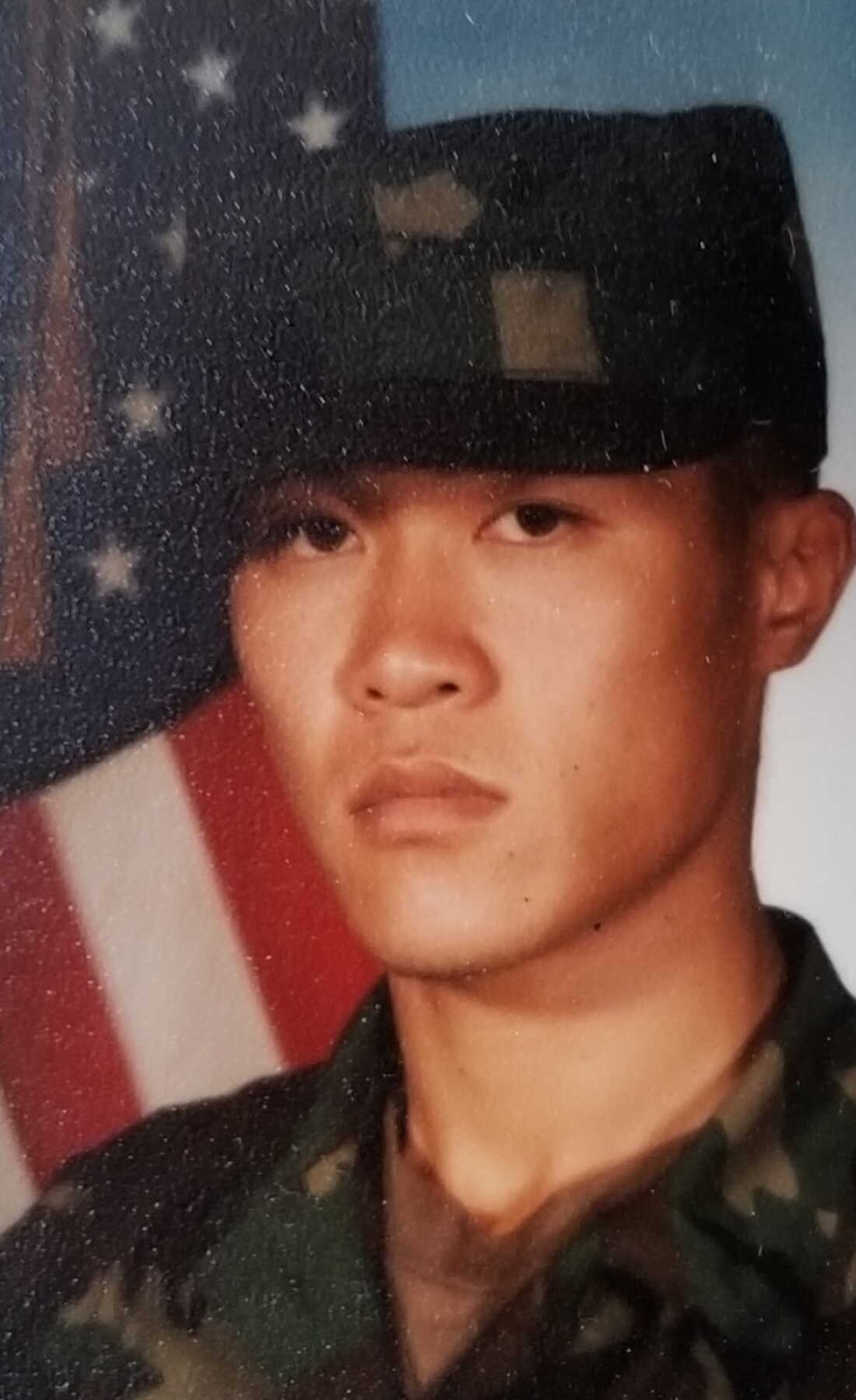
In June 2025, Sae Joon Park faced a critical decision imposed by immigration authorities: choose voluntary departure or face detention and deportation. His legal team confirmed this ultimatum. Sae Joon Park, a Purple Heart-awarded veteran, self-deported last year but recently received a pardon. This marks a significant advancement in his effort to return to the United States, where he has spent most of his life.
Governor Kathy Hochul of New York pardoned Park’s convictions related to bail jumping and drug possession. On Friday, clemency was granted to Park and five others for demonstrating positive life changes and a commitment to community improvement. Hochul stated, “They earned their second chance through rehabilitation and can now establish their futures once again.”
Sae Joon Park expressed his hopes to return to the U.S., saying, “I know there is still work ahead, but today I have hope that I may finally be able to come home.” He extended gratitude to his legal team and supporters, promising never to forget their efforts.
Over the past year, Park’s situation has gained national attention. During a congressional hearing in December, Representative Seth Magaziner of Rhode Island discussed Park’s case while questioning Kristi Noem, the former Homeland Security Secretary. Appearing via Zoom, Park engaged in the hearing, where Magaziner asked Noem to assist Park in finding a pathway back to the U.S. Noem responded positively, agreeing to review Park’s case.
Sae Joon Park’s removal order, stemming from two convictions, forced him to relocate to South Korea. This move marked his first visit to his birthplace in almost 50 years. Park, who arrived in the U.S. at age 7 and became a legal resident, joined the Army at 19. He served during the 1989 invasion of Panama, Operation Just Cause. Wounded in combat, Park was honorably discharged and awarded a Purple Heart.
After his service, Park struggled with PTSD, which led to drug addiction and legal troubles. Following a three-year prison term, he achieved sobriety and spent the next decade rebuilding his life in Hawaii. In June 2025, facing certain detention and deportation if he stayed, Park left the U.S., parting from his family and elderly mother.
Park’s pardon does not guarantee his return to the U.S. However, it enables his legal team to reopen his case. They will petition the board of immigration appeals to consider nullifying Park’s removal order. Attorney Danicole Ramos from the University of Hawaii’s refugee and immigration law clinic remarked, “This pardon represents a tremendous step forward and gives Mr. Park and his family renewed hope that…he may one day be able to return to the country he has called home.”