LSU and SEC Clash Over Player Eligibility
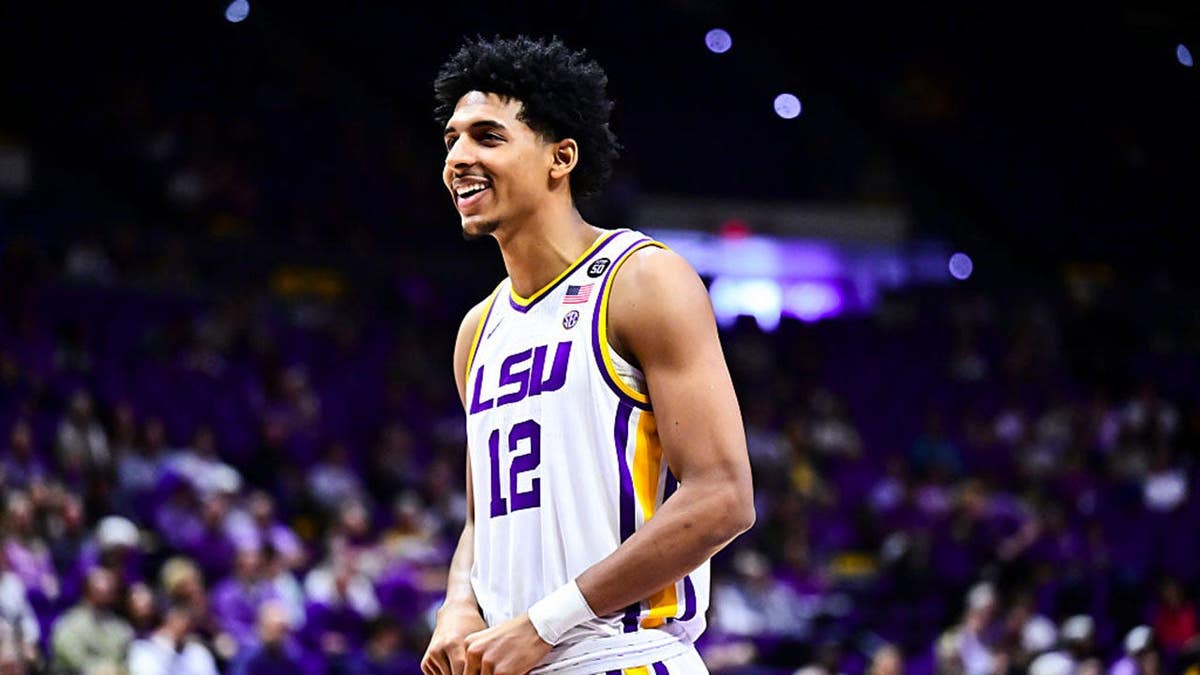
LSU recently made a significant retreat concerning RJ Luis’s eligibility after a brief appearance on the basketball court. LSU President Wade Rousse announced that the university would no longer allow Luis to play despite his contribution of 11 points in a game against Louisiana-Monroe. This decision followed closely after LSU’s men’s basketball coach, Will Wade, had defended the decision to play Luis, stating, “He was eligible, and he played.”
Backtracking from this initial stance, the university’s sudden change occurred amidst ongoing tensions with the Southeastern Conference (SEC). The SEC had already scheduled a call with its presidents to discuss various issues, which gained new urgency after the game.
“That was the final straw for SEC leaders, they were ready to penalize LSU in some form,” a source told OutKick. The source emphasized the SEC’s frustration with the continuing conflicts with LSU.
On the legal front, LSU’s move has not concluded the matter. The eligibility issues affecting Luis relate to a broader federal lawsuit involving former professional athletes seeking to play college sports. These athletes, including Luis, argue for their right to participate without SEC interference. Attorney Elliot Abrams, representing Luis, criticized the SEC’s approach, describing it as harmful to a young athlete caught in power struggles beyond his control.
The latest chapter in this ongoing dispute began when a Baton Rouge judge granted Luis a preliminary injunction. However, disagreements arose over the interpretation of this order, particularly whether it allowed Luis to play for LSU.
The SEC had already expressed that LSU’s decision to play Luis contradicted conference membership expectations. LSU’s actions seemed to challenge the SEC’s authority by relying on their reading of the court’s decision.
This situation adds to existing tensions between LSU and the SEC. Three months prior, the SEC filed a federal lawsuit against LSU connected to another case concerning athletes Dae’Quan Wright and Zxavian Harris, who were seeking eligibility to play football.
On the legal battlefield, LSU attorneys faced demands for public apologies, and more motions were filed, including one to hold the SEC in contempt. These legal confrontations have escalated the standoff between LSU and the conference.
Although LSU has decided not to play Luis, the broader conflict continues. Whether this retreat will lead to negotiations between LSU and the SEC remains uncertain, as past clashes suggest a resolution is not imminent.