Trump and AI Regulation Amidst Political Shifts
Before the midterm elections, former President Donald Trump announced plans to veto any Democrat-led legislation if Republicans lost their majority. Now, with Democrats controlling both the House and Senate, Trump may need to rethink his legislative approach, especially regarding artificial intelligence (AI), a policy area gaining bipartisan attention.
Recent months have seen rising concerns about AI’s vulnerabilities as outages affected essential services like email, air travel, and banking. These incidents have sparked fears of cyberattacks and demand for stricter AI oversight. Brendan Steinhauser, CEO of The Alliance for Secure AI, emphasized voter concerns, highlighting that 81% of voters prioritized AI safety in a recent poll. Steinhauser hopes Democrats will focus on AI safety in the coming Congress.
AI and National Security Concerns
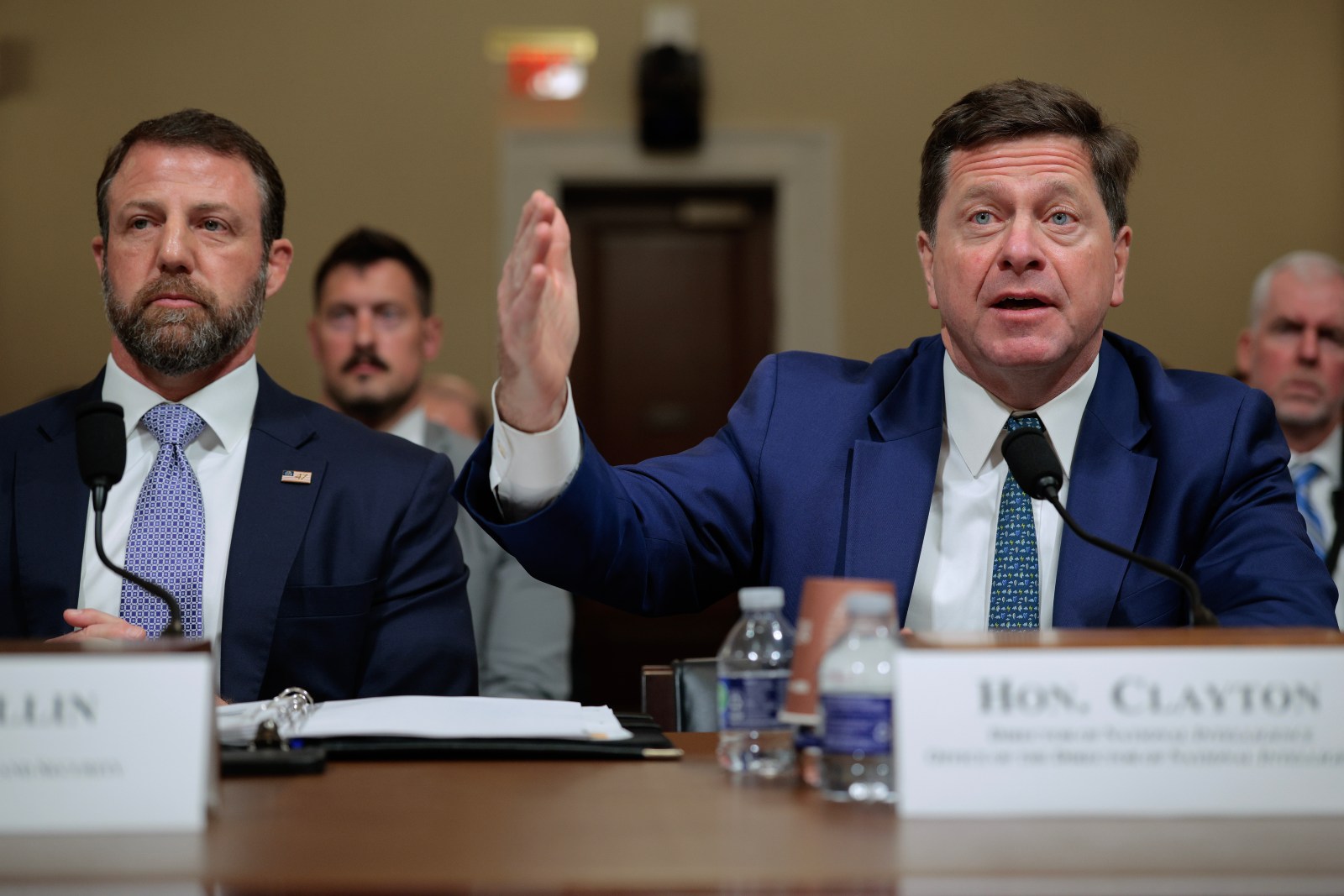
Technological outages have recently impacted services like Microsoft and the Federal Aviation Administration. Brett Goldstein, a cybersecurity expert, warned that seemingly minor outages could pose significant threats. Despite these warnings, the Trump administration remains firm. Director of National Intelligence Jay Clayton stated these events were not cyberattacks.
Concerns about rogue AI agents gaining control have led to calls for regulations like the AI Kill Switch Act. This legislation, supported by both parties, would allow government agencies to intervene if AI systems go awry.
Trump’s AI Regulation Stance
President Trump has maintained a focus on keeping the U.S. ahead in AI development, particularly against China. He has rejected slowing down AI progress despite concerns about potential dangers.
Future Democratic Plans for AI
With Democrats set to introduce new AI legislation, there are plans to regulate AI development and use. Representative Ro Khanna intends to propose the Human Control Over AI Act, which includes federal oversight and safety measures. The Ban Artificial Superintelligence Act of 2026, proposed by Greg Casar, aims to pause advanced AI development to protect public safety.
Bipartisan Efforts on AI Regulation
A bipartisan approach to AI safety is emerging with initiatives like the AI Safety and Innovation Caucus. The caucus aims to balance AI safeguards while maintaining U.S. leadership in AI innovation. Several legislative proposals are in progress, focusing on AI’s national security implications. The ROOT CAUSE Act and AI INSIGHT Act highlight efforts to secure federal AI systems.
Tennessee Representative Matt Van Epps and other policymakers stress the necessity of commonsense AI safeguards. Additional measures, such as the SECURE IT Act and BRIDGE AI Act, seek to strengthen the nation’s technological resilience against growing cyber threats.