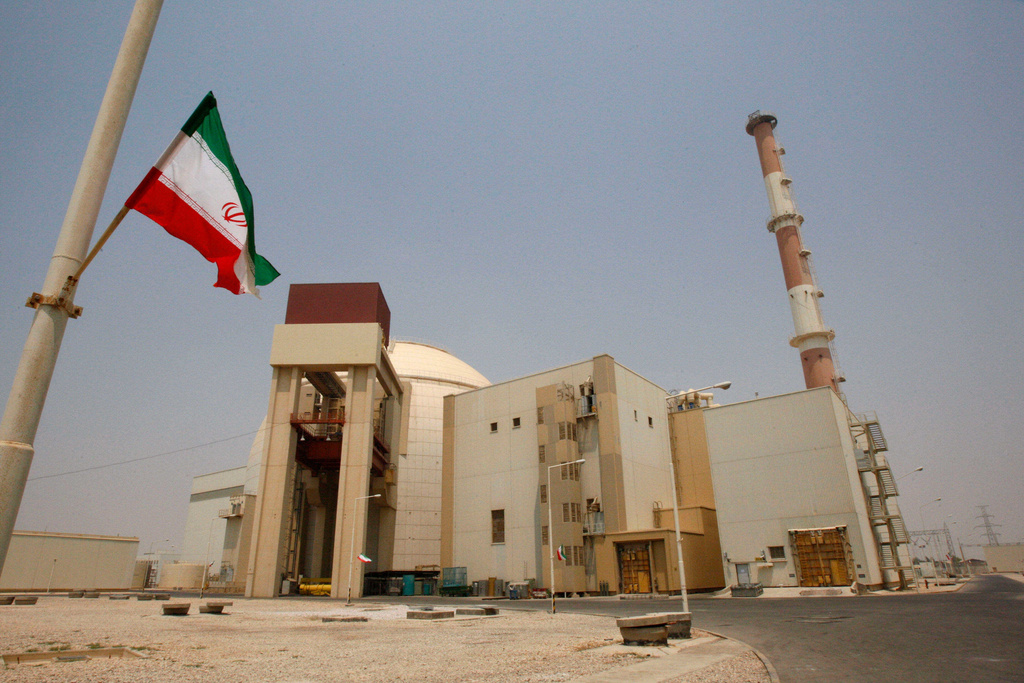
Managing the Risks of Plutonium at Iran’s Bushehr Reactor
The ongoing conflict with Iran involves balancing military operations and diplomatic approaches. A primary goal remains clear: preventing Iran from developing nuclear weapons.
Much focus has been on Iran’s uranium stockpile. However, the potential threat posed by plutonium at the Bushehr reactor is significant yet often overlooked. For over 15 years, this reactor has been operational, continuously generating plutonium as a byproduct.
More than 20 years ago, Russia, responsible for building and fueling the Bushehr reactor, committed to removing the spent fuel after it sufficiently cooled. Iran declined this proposal. Presently, around 210 tons of spent fuel, containing over 2 tons of plutonium, remain in storage. This amount supports the production of over 200 nuclear weapons, vastly overshadowing the 10 possible using Iran’s enriched uranium.
This plutonium poses an intricate challenge. It cannot be targeted with military intervention, as doing so risks extensive radioactive fallout. Also, extraction by special forces is not feasible due to its encasement in radioactive material requiring precise handling. Ignoring this issue is not advisable either.
U.S. weapon laboratories state that reactor-grade plutonium can yield substantial nuclear arms if handled by states with suitable expertise.
Iran has shown capability in small-scale reprocessing within general-purpose facilities. Prior assessments indicate setting up a makeshift plant for reprocessing is well within Iran’s reach and potentially concealable; North Korea’s actions exemplify this.
International inspectors could detect these covert operations, provided there is continuous monitoring that ensures no fuel diversion from Bushehr. This year, the International Atomic Energy Agency (IAEA) conducted only one three-day inspection in June. Under such limited oversight, Iran might redirect and process enough plutonium unnoticed.
Implementing near real-time surveillance using cameras and sensors, currently in practice at over 1,000 IAEA-monitored sites globally, is a viable solution. Unfortunately, this monitoring was not demanded by the Obama administration in the 2015 nuclear deal, and Iran rejected such demands from the IAEA later.
The U.S. should now insist on near real-time surveillance to be embedded in any future agreement promptly. Additionally, arrangements must be made to relocate spent fuel once adequately cooled. Financial support from Gulf States and the U.S. is essential to enable this move. Russia previously offered to accept the fuel, and Kazakhstan might consider it too.
Whether Iran will agree to these conditions is uncertain. Resistance to reasonable measures warrants insistence. Neighboring countries, potentially harboring nuclear ambitions, will observe the U.S.’s demands closely. What resolutions are reached with Iran will establish a precedent for others.
R. Scott Kemp serves as Professor of Nuclear Science and Engineering at MIT. Stephen Rademaker held the position of Assistant Secretary of State for International Security and Nonproliferation during the George W. Bush administration.