NATO’s Strategy Against Potential Threats
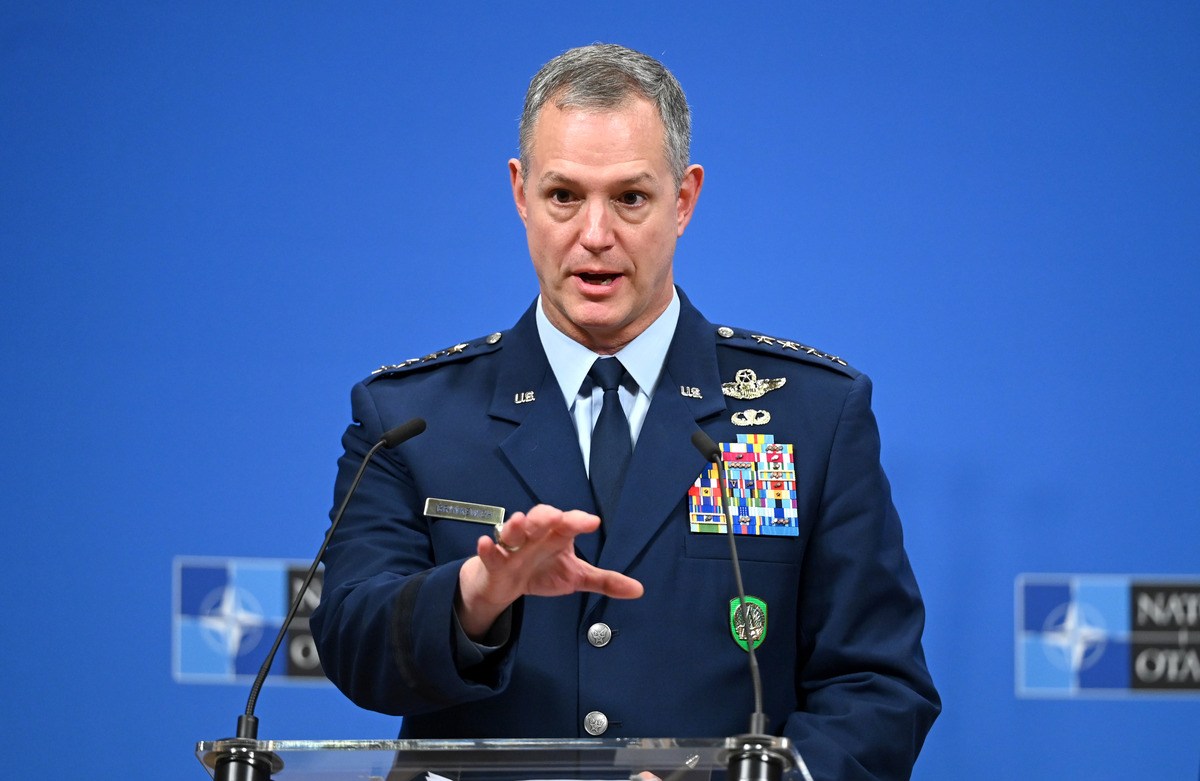
NATO’s top military leader, General Alexus Grynkewich, has unveiled a strategy for how the alliance would respond to an attack on one of its member states. This plan comes amid concerns from intelligence officials about a possible Russian assault on NATO’s eastern borders.
Grynkewich, the current Supreme Allied Commander Europe, emphasized that all 32 NATO members have agreed on a unified approach. He referred to this as a “theory of victory.” The strategy is designed to deter potential attackers and ensure NATO’s ability to defend itself should an attack occur. He spoke about this on Monday at a security forum held in Warsaw, Poland.
In recent months, NATO officials have expressed concerns over Russia potentially escalating its “hybrid warfare” tactics. This term includes cyberattacks, misinformation campaigns, and targeting infrastructure like power grids or underwater cables. Although a large-scale invasion like the one in Ukraine is unlikely, a limited military operation against NATO territory remains a concern.
The Danish military and foreign intelligence agency issued a statement in late September, indicating an increase in Russian cyberattacks and sabotage activities in Europe. Russia was described as being more willing to engage in risky operations. This has prompted NATO countries to increase military spending and build up defense capabilities. U.S. President Donald Trump has urged European allies to reduce dependency on U.S. military support, allowing the U.S. to focus more on the situation with China regarding Taiwan.
NATO members in proximity to Russia or Ukraine are particularly anxious due to a series of drone and missile incidents that some officials view as tests of NATO’s defensive responses and support for Ukraine.
How Would NATO React?
General Grynkewich explained that if an attack on NATO occurred, land forces would be sent to counter the breach, aiming to repulse advancing forces. The alliance would deploy aircraft and naval ships to the area, using a mix of economical munitions and precise long-range missiles to target enemy troops. Although Grynkewich did not elaborate on specific actions, he mentioned that space and cyber forces would be activated.
Advanced sensors would detect other attack forms to halt them before gaining strength. If enemy forces persisted or brought in reinforcements, NATO would target not only the attacking forces but also the systems supporting them.
The defense strategy involves overwhelming invaders with a significant number of inexpensive weapons, alongside using fewer, high-cost precision missiles to achieve tactical advantage.