Pennsylvania Launches Data Center Permit Tracker Amid AI Infrastructure Concerns
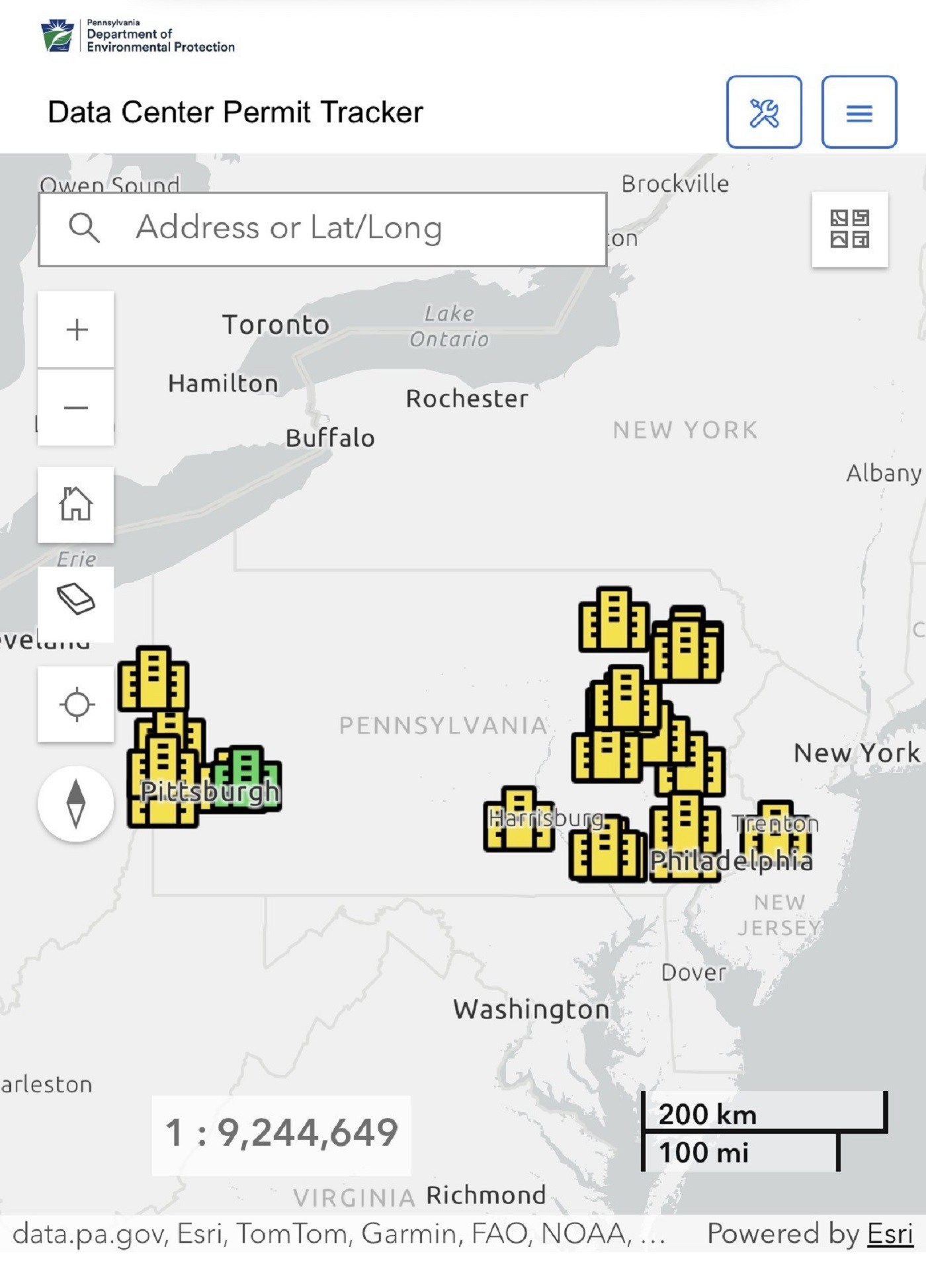
Pennsylvania has unveiled a public map enabling residents to track proposed data centers seeking environmental permits. This initiative is significant as the momentum around artificial intelligence infrastructure grows, particularly ahead of the 2026 U.S. midterm elections. Operated by the Pennsylvania Department of Environmental Protection (DEP), the Pennsylvania Data Center Permit Tracker displays information on proposed data center projects under the agency’s scrutiny, allowing residents to follow their progress through the environmental permitting process.
This tool is part of Democratic Governor Josh Shapiro’s administration response to concerns regarding the AI industry’s implications for electricity costs, water supplies, the environment, and local communities. Newsweek contacted DEP and Governor Shapiro via email for comments and awaits responses.
The launch arrives amid a surge in data center development, which supporters argue provides jobs, investment, and enhances AI competitiveness. However, critics point out the growing energy and water demands and the pressure exerted on local communities.
Scott Taylor, president of Protect Elizabeth Township in Pennsylvania, voiced opposition to a proposed data center campus, stating, “We don’t want it.” Virginia Marcille-Kerslake, senior organizer for Food & Water Watch, highlighted to Inside Climate News, “We’ve seen the devastating impact of these hyper-scale data centers in other states.”
Pennsylvania is not alone in offering resources for residents to find information about data center developments. However, its tracker distinguishes itself by linking a public map directly to environmental permitting processes. Virginia ranks as one of the largest data center markets in the U.S., featuring an interactive map identifying existing and proposed facilities, albeit crowd-sourced rather than state-operated like Pennsylvania’s tracker. Beyond state initiatives, independent projects track national development. The Data Center Record map provides details on projects at various stages, covering operational, proposed, and under-construction facilities.
Data Centers Emerge as a Significant Election Issue
The deployment of Pennsylvania’s tracker map correlates with the growing prominence of AI and data center development leading up to the November 3 midterm elections. Candidates are facing increasing pressure to explain how they plan to balance the economic advantages of AI investments against concerns about escalating energy prices, environmental effects, and development speed. The election has even been termed the ‘data center election’ due to the heightened focus on these issues.
As communities nationwide contend with the swift expansion of AI infrastructure, Pennsylvania’s new map integrates into the evolving national discussion over data center boom benefits and expenses. Tech companies rush to build facilities powering AI, cloud computing, and digital services while critics voice concerns regarding electricity demand, water utilization, environmental repercussions, and local development impacts.
Newsweek reports broad local opposition to data centers reflected in opinion polls. A Gallup survey from May found approximately 70 percent of Americans opposing an AI data center construction in their community, surpassing the opposition to a nearby nuclear plant. An August Annenberg Public Policy Center survey indicated 61 percent opposed local data centers, marking a 12 percentage point increase from earlier in the year, with Democrats, Republicans, and independents majorly agreeing.
Some politicians stress the necessity of attracting tech investments and competing with China, while others advocate for tighter project scrutiny or safeguards. Local resistance has also mounted pressure on elected officials to clarify the cost-bearing entities for new infrastructure. President Donald Trump is a proponent of data centers.
According to a Reuters/Ipsos poll from October 7, 84 percent of voters consider AI a job threat, with 69 percent supporting stricter AI regulation. Moreover, 56 percent of registered voters favor limits on data center construction. Many respondents feel the Trump administration and Congress inadequately address AI-related risks.
These findings suggest the discussion transcends isolated planning disputes, touching broader development and regulatory questions surrounding technology.
Insights from Newsweek’s AI Policy Scorecard
The increasing political relevance of AI is further illuminated by Newsweek’s AI Policy Scorecard, which evaluates Congress members based on their stances and records concerning AI technology.
The scorecard explores five domains: regulation and governance, data centers and energy, jobs and the economy, safety and privacy, and national security concerning China. Its methodology encompasses congressional voting records, bill sponsorships, and lawmakers’ public declarations.
The scorecard positions lawmakers from AI skepticism to AI enthusiasm, providing a means for readers to compare representatives’ approaches to the technology influencing economic and infrastructure policies.
For candidates, articulating support for AI increasingly involves explaining infrastructure building, regulation, and financing strategies. Newsweek’s AI Policy Scorecard indicates Pennsylvania’s congressional delegation holds a nuanced record on AI, with most representatives having a ‘mixed’ rating across Democratic and Republican affiliations.
Newsweek’s journalist team, with assistance from Martyn, our AI assistant, generated this article. Learn more about Martyn here. For inquiries, contact Newsweek editors on this story: Rebecca Flood and James Debens.