Navigating Credit Card Minimum Payment Challenges
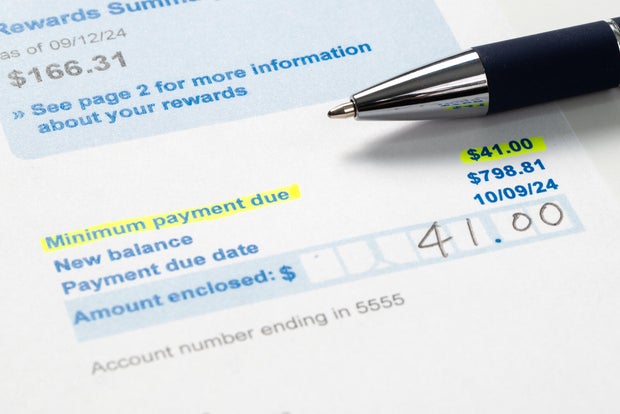
Credit card debt is increasingly burdening borrowers, affecting their finances significantly. In the second quarter of 2026, credit card balances rose by $21 billion, reaching $1.26 trillion. This growth, coupled with high interest rates, is making debt difficult to manage. The average interest rate on accounts is 22.15%, leading to quick accumulation of compound interest on even moderate balances.
Managing minimum payments can be a challenge, especially with economic challenges like inflation. Greater debt and accruing interest increase monthly payment obligations. If juggling multiple card balances, required payments can become overwhelming.
Some might consider asking card issuers for smaller minimum payments as a solution. However, minimum payments are not negotiable in the same manner as other bills. Card issuers usually determine payments based on account terms, factoring in balance percentages, fixed amounts, or a mix of balance, interest, and fees.
Can you negotiate a lower minimum credit card payment?
Generally, requesting a lower minimum payment simply because you want to isn’t possible. However, if you face financial hardship, contacting your issuer can be beneficial. Many offer hardship or payment assistance programs to customers experiencing financial difficulties.
Participating in these programs may lead to temporary reductions in monthly payments, lower interest rates, waived fees, or changes to repayment terms. This helps make payments more manageable, even if the standard minimum payment calculation remains unchanged. Programs modify repayment conditions rather than just lowering payments.
If you can’t meet minimum payment requirements, contacting your card issuer is crucial. Explain your financial changes and what you can afford realistically. Understand how long reduced payments last, whether interest continues, card status changes, and post-hardship conditions. Before agreeing to reduced payments, assess the long-term impact on your debt status.
If lowering your minimum payments isn’t enough
A lower payment helps with temporary financial setbacks. However, if you struggle across multiple cards or balances don’t decrease despite payment efforts, consider broader debt relief options.
- Debt Management Plan: A credit counseling agency could help with a structured plan, negotiating lower interest rates and fees with creditors. You make a single monthly payment to the agency, which manages distribution to creditors.
- Debt Consolidation: If eligible, a consolidation loan can combine multiple debts into a single payment, depending on favorable terms like interest rates, fees, and repayment periods.
- Debt Settlement: For severe financial struggles, debt settlement involves negotiating lower balances with creditors. Although it carries risks like credit damage and tax implications, it’s an option to consider carefully within larger debt issues.
While arbitrary reductions of minimum payments are unlikely, contacting issuers for hardship assistance before defaulting is advisable. For higher debt loads preventing affordability, explore comprehensive relief strategies for sustainable financial solutions.