Negotiations Over Audit Immunity and Compensation Fund for Trump Allies
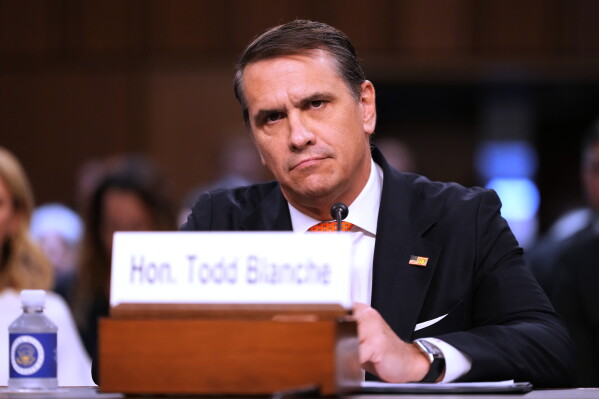
Washington (AP) – In recent negotiations, Todd Blanche, aiming for confirmation as attorney general, has withdrawn a $1.8 billion fund intended to compensate allies of President Donald Trump. Despite this, a comprehensive audit immunity deal for Trump, his sons, and the Trump Organization persists, albeit with new boundaries to address concerns from Republican senators.
Blanche detailed in a letter to lawmakers that while the immunity wouldn’t extend to future tax filings, it remains applicable retroactively for claims existing at the lawsuit’s settlement time. This clarification seemed to suffice for GOP senators opposed to both the fund and audit deal, likely paving the way for Blanche’s confirmation. The ongoing controversy surrounding the audit agreement, however, continues to spark bipartisan concern and challenge trust in the tax system’s equity.
The audit immunity arose amid a contentious settlement of Trump’s $10 billion lawsuit against the IRS, following the leak of his tax returns. The fund stirred outrage among lawmakers cross-party, primarily due to the stipulations that originally barred the government from scrutinizing or prosecuting the tax filings of Trump, his sons, and related entities.
A letter to Senators John Cornyn and Thom Tillis limited the scope of audit protection to Trump, his sons Eric and Donald Jr., and the Trump Organization. Although it’s unclear how much Trump owes in back taxes, the deal could potentially negate over $100 million, as per reports from the New York Times and ProPublica. Legal experts have raised questions about the legality of such immunities.
Dan Greenberg, a senior fellow at the Cato Institute, voiced skepticism, calling the immunity agreement an illegal settlement product. In July, U.S. District Judge Kathleen Williams labeled Trump’s IRS lawsuit as filed with an improper purpose. While she didn’t nullify the tax shield deal, she stated that the government couldn’t claim the agreement stemmed from a lawful process. Trump is challenging the ruling.
The White House, IRS, Treasury, and Trump’s personal legal team haven’t responded to the Associated Press’s requests for comment. Concerns persist that Blanche’s assurances might not suffice to entirely halt the fund.
Some experts suggest the immunity agreement may contravene IRS statutes prohibiting executive branch interference in taxpayer audits. Although the attorney general can intervene in audits, Blanche’s potential legal authority in this context remains unverified. This prohibition emerged post-Watergate, when President Nixon attempted IRS actions against political adversaries.
Nina Olson from the Center for Taxpayer Rights termed the settlement a historical low for the IRS since the 1970s. Danielle’s assurances didn’t entirely allay fears about future compensations for Trump allies. Blanche has continually stated that the Trump administration isn’t pursuing the fund. However, Trump has indicated plans to revive it if Blanche isn’t confirmed.
NYU Tax Law Center’s Brandon DeBot has advocated for congressional measures to ensure the fund’s permanent cessation. Democrats argue Blanche’s orders are insufficient, pushing for legislation to ban such compensation permanently. This doesn’t prevent compensations for Trump allies, including those involved in the Capitol riot.
Greenberg noted that Blanche’s reassurances might be a way for senators to appear stringent in negotiations. Still, upon close examination, the assurance doesn’t seem to reflect a meaningful bargain.