Pakistan’s New Guidelines for Foreign Media Draw Criticism
Pakistan’s government recently introduced new guidelines for international media organizations operating within the country. These guidelines dictate the reporting requirements for journalists working outside the nation’s three largest cities: Islamabad, Lahore, and Karachi. The moves have received significant criticism from press freedom advocates and journalist groups.
Details of the Guidelines
Titled ‘Guidelines for the Facilitation of the Foreign Media and Their Associates Working in Pakistan’, the document was shared with media organizations, both local and international, earlier this week. Critics argue the measures impose unnecessary bureaucratic challenges, potentially discouraging independent journalism.
Despite the criticism, the Ministry of Information stated the guidelines are not aimed at restricting the foreign press or undermining press freedom. Instead, they are designed to offer a clear framework for the registration, accreditation, and facilitation of foreign media bodies.
According to the ministry, the guidelines require registration and government clearance for reporting outside the major cities of Islamabad, Lahore, and Karachi. Journalists associating with foreign media, including freelancers and local contributors, must register with the ministry’s External Publicity Wing and gain accreditation before covering events beyond these cities.
Controversy and Responses
The guidelines emerged amid contention following a directive sent via WhatsApp to foreign correspondents in Islamabad. The message reminded them of the necessity of a No-Objection Certificate (NOC) for reporting or production outside the major cities. Journalists assigned to Pakistan-administered Kashmir were specifically instructed to seek permission before undertaking any assignments in the disputed region.
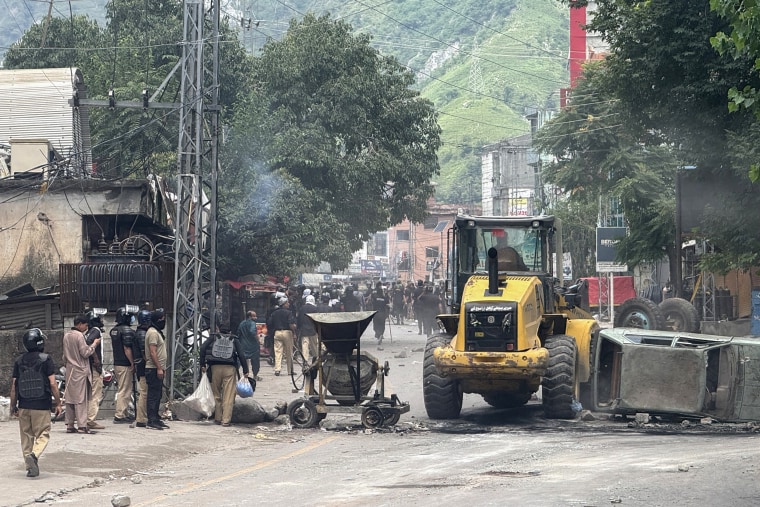
This travel clearance rule has long been in place but came to the forefront after disputes over foreign media’s portrayal of recent events in Pakistan-administered Kashmir. Reportedly, incorrect accounts of casualties and voter turnout during assembly elections led authorities to accuse some international media outlets of misrepresentation.
The guidelines were issued as the third phase of the legislative elections in Pakistan-administered Kashmir approached. The ruling Pakistan Muslim League-Nawaz was anticipated to regain power in this phase, after a decade-long absence.
Reactions from Media Rights Groups
The guidelines were met with condemnation from media rights organizations. The Human Rights Commission of Pakistan expressed concern that the guidelines would likely institutionalize control over news gathering, deterring independent journalism on critical issues.
“Rather than facilitating journalism, the guidelines will institutionalize bureaucratic control over news gathering and deter independent reporting,” said the Commission.
The commission urged the government to retract the measures, respecting constitutional and international commitments to free expression. It stated that the need for government approval sends a concerning message that critical journalism is discouraged.
Waliullah Rahmani from the Committee to Protect Journalists highlighted that the guidelines pave the way for further restrictions by Pakistan’s civilian and security agencies. This could prevent foreign journalists from reporting freely due to fears of legal or administrative repercussions.
The Pakistan Federal Union of Journalists also criticized the guidelines, describing them as an impediment to freedom of expression. It urged the government to rescind the notification, warning of potential damage to Pakistan’s global reputation regarding press freedom.
Recent Context on Censorship
This development aligns with a broader narrative of media censorship in Pakistan. The recent years have seen an increase in legal and administrative barriers significantly shrinking the space for independent journalism in the country.