Hiroshima Marks 81 Years Since Atomic Bombing, Calls for Nuclear Disarmament
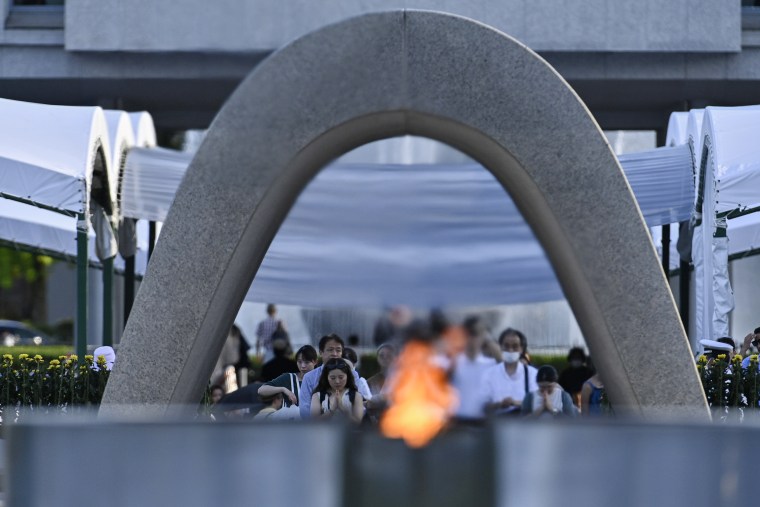
In Tokyo, Hiroshima commemorated the 81st anniversary of the U.S. atomic bombing of the city on Thursday. Mayor Kazumi Matsui criticized major powers for engaging in wars and urged an end to justifying nuclear weapons as deterrents. ‘Downplaying the inhumanity of nuclear weapons and accepting force for prosperity risks violent retaliations that could lead to another Hiroshima or Nagasaki,’ stated Matsui.
Matsui emphasized that too many world leaders see nuclear deterrence as viable and legitimate violence. ‘This approach only makes a world without nuclear weapons more distant,’ he noted in his peace declaration at Hiroshima Peace Memorial Park. He urged citizens to learn from the past and act.
Approximately 50,000 people, including representatives from 120 countries, attended the ceremony. At 8:15 a.m., a minute of silence was observed as a peace bell rang, marking the time a U.S. B-29 dropped the bomb on Hiroshima.
Prime Minister Sanae Takaichi, attending the memorial as prime minister for the first time, promised ‘a realistic approach’ towards ensuring nuclear weapons are never used, within the UN’s treaty framework to prevent nuclear spread.
This year’s ceremony occurs amid speculation that Takaichi’s government might ease Japan’s postwar non-nuclear principles in upcoming security documents. Takaichi has supported reviewing these principles, particularly regarding nuclear weapons being brought into Japan.
Japan holds to its three non-nuclear principles but has not committed to them for the future. Survivors express frustration over growing international support for nuclear deterrence, including by Japan.
Japan remains under the U.S. nuclear umbrella and seeks Washington’s reassurance for commitment and protection. Consequently, it has not signed the Treaty on the Prohibition of Nuclear Weapons nor attended its meetings.
The Flame of Peace is visible through the cenotaph arch for atomic bomb victims at Hiroshima Peace Memorial Park on Thursday. David Mareuil / Anadolu via Getty Images
The Hiroshima bombing on August 6, 1945, devastated the city and killed 140,000. A second bomb on Nagasaki three days later killed 70,000. Japan surrendered on August 15, concluding World War II and its aggressive era in Asia.
Survivors’ numbers have dwindled to 91,105, about a quarter of the original, with their average age over 86. These survivors worry memories are fading as many were too young to remember the attack clearly.
UN Secretary-General António Guterres remarked, ‘The horror of nuclear weapons is one lesson of Hiroshima. Another is crafting a world where these threats are unthinkable.’ He commended Hiroshima as an example of resilience and called for dialogue and cooperation over conflict.