Political Milestones in Illinois History
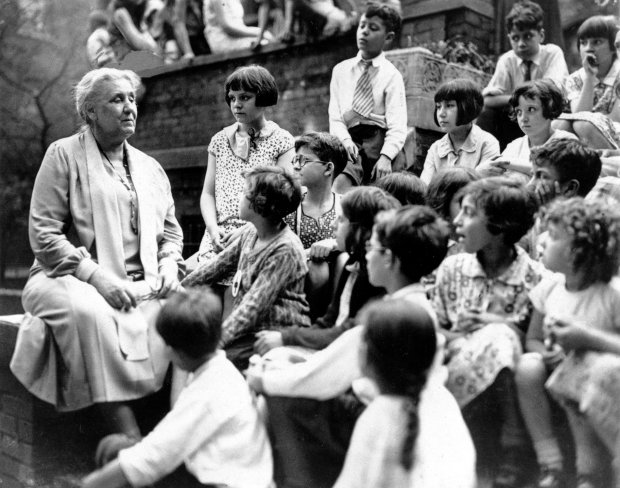
The political landscape of Illinois has been a battleground for debates and a stage for significant events that have shaped governance in the United States. Known as the land of Lincoln, Illinois is also home to notable figures such as Jane Addams, Frances Willard, the Daley family, Eugene Debs, Jesse Jackson, and Barack Obama.
Lincoln-Douglas Debates (1858)
The series of debates between Abraham Lincoln and Stephen Douglas began at Washington Square in Ottawa. Initially, Douglas’s speeches received more media attention. As Lincoln’s prominence grew, his speeches also reached a wider audience. Despite winning the popular vote, Lincoln lost the Senate seat due to legislative appointment processes. However, the debates established him as a national figure.
Lincoln’s Presidential Nomination (1860)
With crucial support from the Tribune, Lincoln was nominated for president at the Republican Convention held in Chicago. He went on to become the 16th president of the United States on November 6, 1860.
Great Railroad Strike (1877)
The nationwide railroad strike, which began in West Virginia, saw Chicago as a central site of conflict. It was fueled by workers’ demands for an eight-hour workday. Violent clashes with police and military forces resulted in multiple deaths, highlighting the intense struggle between laborers and industrialists.
Birth of May Day (1886)
On May 1, 1886, a massive march on Michigan Avenue aimed to reduce workdays to eight hours. An event three days later escalated into the Haymarket Affair, with casualties on both sides. The incident played a significant role in establishing May Day as International Workers’ Day.
Hull House (1889)
Jane Addams and Ellen Gates Starr opened Hull House, providing education, cultural programs, and various aid to the poor. By 1907, it expanded to 13 buildings. Addams also contributed significantly to reforms and peace initiatives and played key roles in founding organizations like the NAACP and ACLU. Her efforts earned her the Nobel Peace Prize in 1931.
Pullman Strike (1894)
The Pullman strike in Chicago, a major labor conflict, saw federal troops intervene, as requested by President Cleveland, despite resistance from the state’s governor. It ended in violence and arrests, mirroring earlier labor conflicts.
‘Cross of Gold’ Speech (1896)
Delivered by William Jennings Bryan at the Democratic National Convention in Chicago, the ‘Cross of Gold’ speech advocated for monetary reform and resonated heavily with the working class, despite Bryan losing the presidential election to McKinley.
Child Labor Regulations (1903)
Illinois led the nation by enacting laws that restricted children’s working hours, protecting their rights and welfare. These laws set an eight-hour workday and 48-hour workweek for children.
Frances Willard Statue (1905)
A statue of Frances Willard, a leader in the temperance movement, became part of the National Statuary Hall Collection. Willard was instrumental in advocating for social reforms and the prohibition of alcohol.
Founding of Industrial Workers of the World (1905)
The labor organization, founded in Chicago, aimed to unify workers across industries. However, internal conflicts and governmental actions led to its decline.
Direct Election of U.S. Senators (1913)
Following the controversial election and subsequent dismissal of William Lorimer over corruption charges, the 17th Amendment was enacted, advocating for the direct election of Senators by the public.
Nobel Peace Prize for Vice President Dawes (1925-26)
Charles Dawes, a former vice president from Illinois, earned a Nobel Peace Prize for mediating the Dawes Plan, which helped stabilize European financial reparations post-World War I.
Oscar Stanton De Priest as First Northern Black Congressman (1928)
Oscar Stanton De Priest made history by being elected as the first African American Congressman from a Northern state, representing a significant step in political representation.
Roosevelt’s Convention Speech (1932)
Breaking tradition, Franklin Delano Roosevelt delivered his presidential nomination acceptance speech in person at the Democratic National Convention in Chicago, symbolizing his commitment to transparency and leadership.
‘Dewey Defeats Truman’ (1948)
An infamous headline error made by the Chicago Daily Tribune inaccurately announced Dewey’s victory over Truman, becoming a historical learning moment in political journalism.
First Televised Political Convention (1952)
The Republican National Convention in Chicago was the first to be broadcast nationwide, marking a milestone in the evolution of political communication.
Daley’s Influence in Chicago (1955)
Richard J. Daley’s tenure as Chicago’s mayor saw vast infrastructural developments. His political savviness helped shape Chicago’s presence on the national stage.
The First Televised Presidential Debate (1960)
John F. Kennedy and Richard Nixon’s debate in Chicago was the first-ever to be televised, influencing public perceptions dramatically.
Martin Luther King Jr.’s Northern Movement (1966)
King’s activism in Chicago focused on addressing segregation and inequality. His experiences there were instrumental in highlighting the persistent challenges facing African Americans.
Democratic National Convention Protests (1968)
The Chicago convention was marked by violent protests and clashes. It showed the deep divisions in American society during the Vietnam War era.
Forming of Operation PUSH (1971)
Led by Jesse Jackson in Chicago, Operation PUSH aimed to drive social change and economic empowerment for underrepresented communities.
Watergate Tapes Published (1974)
The Tribune became the first publication to release the full Watergate transcripts, playing a crucial role in the eventual resignation of President Nixon.
Jesse Jackson’s Presidential Campaigns (1984, 1988)
Jackson’s campaigns for the presidency marked significant progress towards racial diversity in political leadership, although he fell short of the Democratic nomination.
Chicago as a Sanctuary City (1985)
Under Mayor Washington, Chicago established itself as a sanctuary city, defending immigrant rights and limiting cooperation with federal immigration authorities.
Corruption Exposed: Operation Greylord (1987)
The federal investigation exposed systemic corruption in Chicago’s judicial system, leading to numerous convictions and reforms.
Barack Obama’s Law Review Presidency (1990)
Barack Obama became the first Black president of the Harvard Law Review, a key milestone preceding his future political career.
Carol Moseley Braun’s Senate Success (1992)
Carol Moseley Braun’s election as the first female African American senator highlighted gender and racial progress in political representation.
Pro-Immigrant Rally (2006)
A proposed federal bill involving immigration led to a massive rally in Chicago, reflecting widespread public sentiment on the issue
Barack Obama Elected President (2008)
As the first Black president, Obama’s victory culminated his political journey, rooted in Chicago, inspiring national and global admiration.
Chicago’s Convention Hosting Legacy
With 26 national political conventions hosted since 1860, Chicago maintains a prominent role in U.S. political history. This legacy continues as the city bids for future events.
Operation Midway Blitz (2025)
A federal crackdown in 2025 aimed at arrests in Chicago faced criticism for its approach and results, highlighting ongoing issues in immigration enforcement strategies.