Reflecting on the Changes Spawned by 9/11, 25 Years Later
Twenty-five years after the terrorist attacks on September 11, 2001, journalist and former Carter White House speechwriter James Fallows provides insights into the lasting impacts and legacies of this pivotal event.
Historical Turning Points
December 7, 1941, marked a significant change in U.S. foreign policy with the attack on Pearl Harbor. Similarly, September 11, 2001, seemed to alter the course of history. As we reach the 25th anniversary of 9/11, we reflect on the transformations that were hoped to be permanent, those which faded, and others that future generations may attempt to reverse.
The Emergence of Unity
In times of crisis, the best attributes of people often emerge. Post-9/11, a sense of unity was prevalent in the U.S., reflected in the statement “We are all Americans” by the French newspaper Le Monde. NATO unanimously decided to defend a stricken ally for the first time.
In the United States, citizens showed their admiration for first responders and fellow brave individuals. President George W. Bush, initially unprepared for the attack, visited Washington’s Islamic Center days later, emphasizing that Islam was not the enemy despite the attackers being Muslim. He stressed the importance of treating fellow Americans with respect amid anger and emotion.
Changes in Security Measures
Many unifying sentiments disappeared rapidly. Important changes in America post-9/11 have not received adequate attention and scrutiny. Before these attacks, no Department of Homeland Security existed. Functions like TSA and ICE were managed on a smaller scale, avoiding overreach.
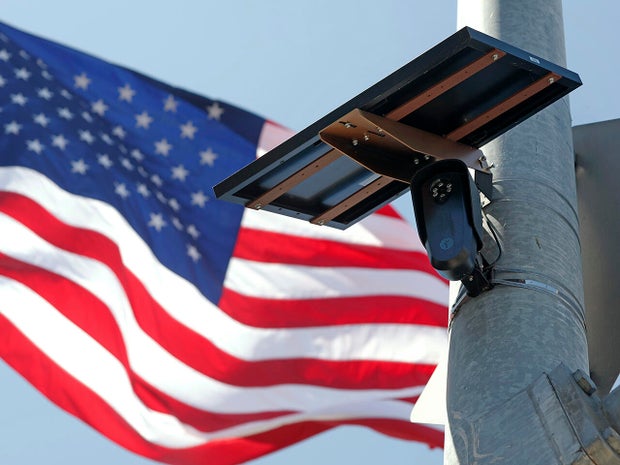
Also, there was no Patriot Act or the current framework of the surveillance state. The advent of technologies like Flock Safety cameras illustrates a growing concern over privacy due to mass surveillance. These cameras, used in over 120,000 spots across 49 states, have raised privacy concerns regarding data collection on motorists.
Pre-9/11, local police in the U.S. were not equipped with combat gear resembling that used in military operations. The conflict in Iraq, justified by 9/11 yet involving no Iraqis, along with ongoing “forever wars,” fueled significant shifts in military practices.
Reflecting on Historical Missteps
Much of the security escalations occurred in a bipartisan, step-by-step approach. While the U.S. survived the initial attack and avoided repeats, its attackers affected the country’s daily life and culture profoundly. There have been other missteps in U.S. history:
- The late 1800s, when equal rights were turned back post-Civil War.
- The 1920s and ’30s, when isolationist policies prevailed as threats like Nazis emerged globally.
Looking ahead, there is hope for more serious reflection on national identity and aspirations.