Republicans Urge Stricter Oversight on Infant Formula Safety
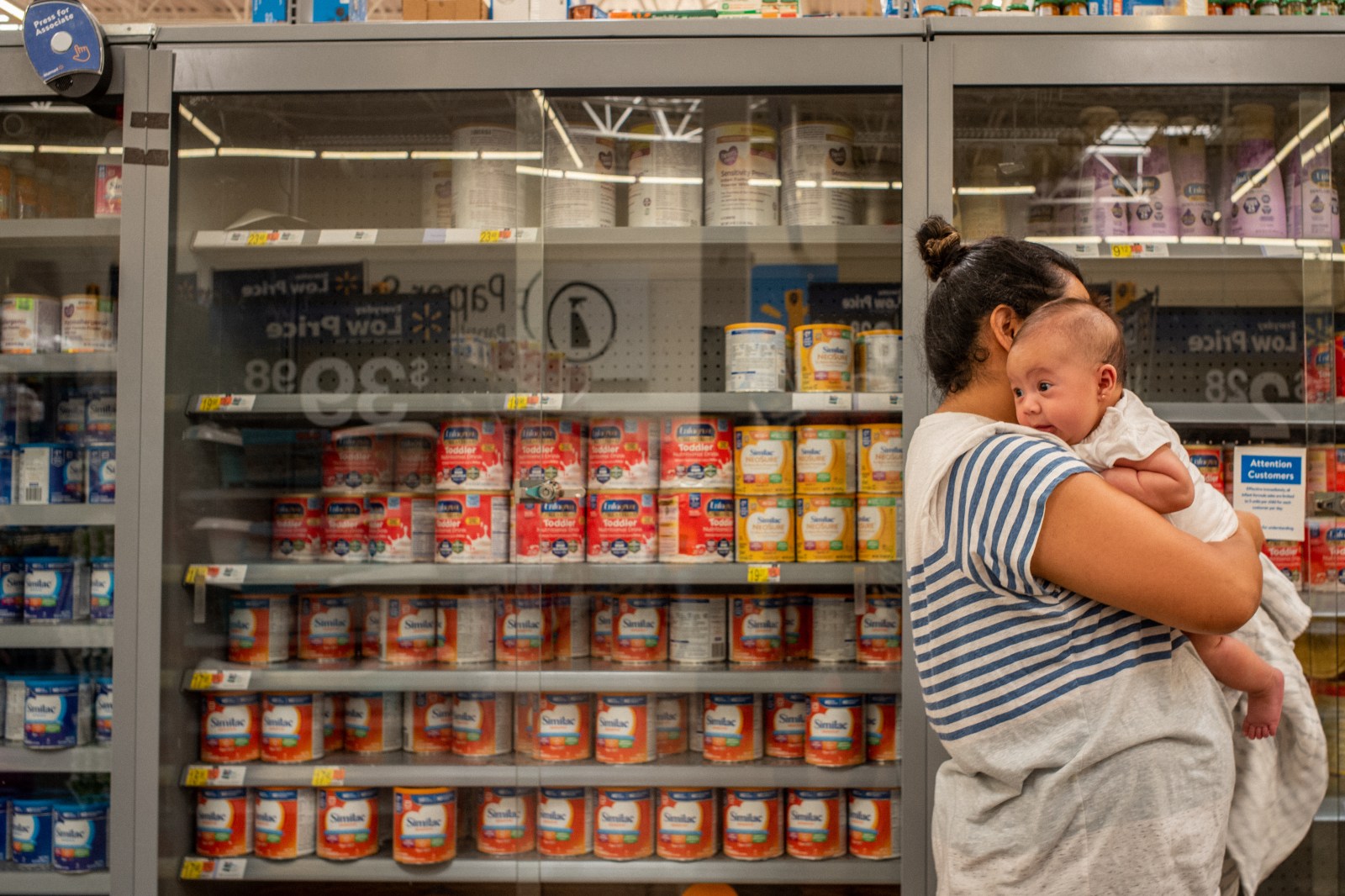
Stricter Oversight on Infant Formula Safety
Republican lawmakers are calling on Health and Human Services Secretary Robert F. Kennedy Jr. to enhance federal oversight of infant formula. They emphasize that parents need better protection against heavy metals and contaminants found in formulas.
Current Status of Infant Formula Safety
The Food and Drug Administration (FDA) conducted a study that confirmed the safety of the U.S. formula supply. However, lawmakers and consumer advocates argue for formal limits and greater transparency. They insist that parents deserve more assurance about the safety of the products they feed their babies. A significant number of infants receive formula during their first year, whether exclusively, alongside breast milk, or in the early days.
New Legislative Proposals
Lawmakers have introduced two bills in Congress to establish contaminant standards for infant formula. These bills also focus on researching the health effects of toxic metals like arsenic, lead, cadmium, and mercury. The push for these reforms comes during a complex period in the ongoing debate over formula safety.
“Under Secretary Kennedy and President Trump’s leadership, the FDA has undertaken the most extensive U.S. review of contaminants in infant formula to date,” stated an HHS spokesperson to Newsweek. “The agency has expanded testing and surveillance, reduced contaminant levels, and improved transparency for parents.”
Proposed Changes Under the FORMULA Act
Florida Representative Brian Mast introduced the FORMULA Act of 2026. This bill aims to amend the Federal Food, Drug, and Cosmetic Act, empowering Kennedy to establish maximum permissible levels for contaminants in infant formulas.
The act intends to expand federal oversight significantly. Regulations would be based on:
- Cumulative health impacts from low-level exposure of contaminants on infant neurodevelopment.
- Prevalence of contaminants in agricultural soil and manufacturing source water.
- Bioaccumulative nature of contaminants in the human body.
Kennedy would balance these goals with available technologies and costs. The bill also requires manufacturers to test infant formula and maintain records for two years beyond the formula’s expiration. Additionally, an annual report to Congress would list violations and provide updates on progress.
The bill specifically addresses contaminants like polyfluoroalkyl substances, microplastics, phthalates, synthetic pesticides, and biological toxins.
Support and Further Actions
Representative Buddy Carter of Georgia is a cosponsor of the bill, which awaits a vote in the House Committee on Energy and Commerce.
“Parents deserve certainty that their child’s formula is safe and nutritious,” Carter stated. “This bill is a step towards improving safety standards for our children’s care.”
Another bill, the Safe Baby Formula Act of 2026 introduced by Representative Tom Barrett, requires HHS to study the effects of arsenic, cadmium, lead, and mercury in infant formula. The study must be completed within a year. Action levels for these contaminants are to be established, considering the feasibility and impact on domestic food security.
Concerns Over Arsenic in Formula
Concerns about arsenic in infant formula have risen following independent testing by Consumer Reports. The findings indicated that half of the tested powdered formulas contained contaminants at potentially harmful levels. Arsenic, which is both naturally occurring and carcinogenic, was found in products like EleCare Hypoallergenic and Similac Alimentum.
The Environmental Protection Agency (EPA) has set a limit for arsenic in drinking water at 10 parts per billion. Currently, no limit exists for formula. Recent FDA analysis indicated that most formula products have undetectable or very low levels of contaminants.
Consumer Recommendations
Despite the FDA’s reassuring findings, Consumer Reports highlighted some products with higher contaminant levels. They recommended formulas from brands like Enfamil, Similac, Bobbie, and Earth’s Best, which showed very low or undetectable levels of contaminants.
Preparing Formula Safely
Experts note the importance of proper formula preparation. They suggest understanding local water supply quality, as water can also be a source of contaminants. Ready-to-feed formulas don’t require water mixing, minimizing risks. Distilled or purified water is recommended for formula preparation.
While lawmakers focus on formula itself, ensuring water safety remains crucial. Recent FDA results reassured parents, but lawmakers call for established limits and greater transparency.
Contact Newsweek editors on this story: Sam Wilson.