Rethinking U.S. Strategy Toward Iran: Lessons from the Cold War
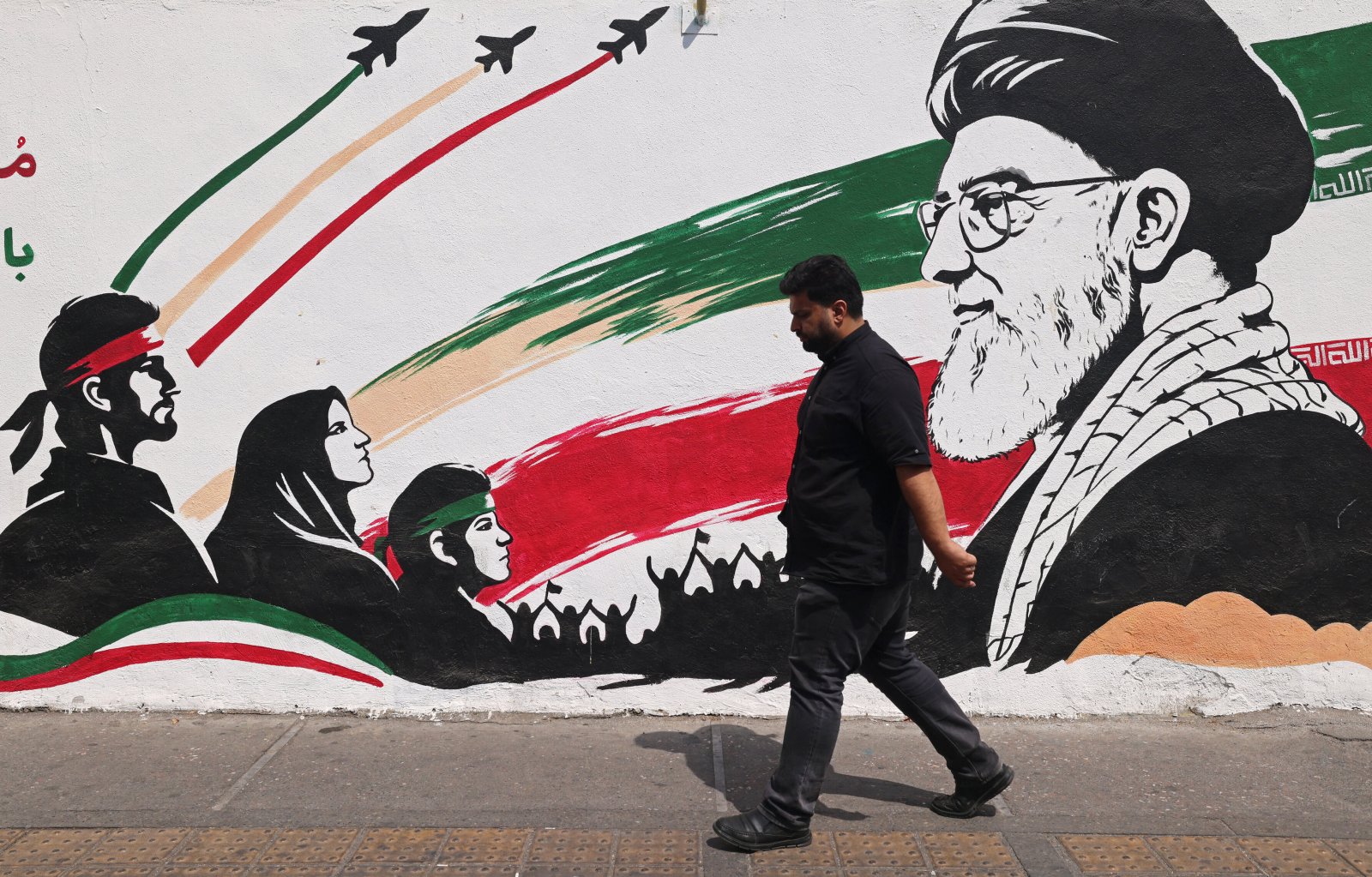
When the Trump administration initiated Operation Epic Fury in late February, it anticipated a swift, clear outcome against Iran. This followed the precedent set by Operation Midnight Hammer, marked by successful U.S. strikes on Iranian nuclear facilities the previous summer. These operations exhibited overwhelming force and significantly hampered Iran’s strategic capabilities.
However, six months on, Iran’s resilience has exceeded expectations. Despite persistent U.S. military pressure, Iran’s regime has survived and even tightened its domestic control. Moreover, Iran has demonstrated its ability to impose costs on its adversaries. A key factor has been Iran’s strategic use of the Strait of Hormuz. This tactical move has reshaped the current conflict’s terms. Initially, the U.S. aimed to dismantle Iran’s nuclear ambitions, degrade its missile capacities, and curb Tehran’s support for its Middle Eastern proxies. Now, the Trump administration’s focus is much narrower, primarily ensuring the unimpeded flow of energy and commerce through this crucial maritime passage.
The possibility of a long-lasting agreement over the Hormuz remains uncertain. Additionally, it is unclear if the U.S. will sustain the political, economic, and military commitment necessary to alter Iranian behavior long-term. The recent escalation of military strikes implies a need for a new American strategy toward Iran.
For years, Washington has focused on definitive solutions with Iran. But the emerging situation resembles a sustained strategic competition requiring management rather than resolution.
The United States is no stranger to such confrontations. Its long-standing Cold War struggle with the Soviet Union never escalated to a direct military conflict. Yet, it manifested across various strategic domains, from economics and ideology to political warfare and influence in developing regions. Though Iran does not match the Soviet Union’s power or global reach, nor does today’s international system reflect the bipartite order of the Cold War, there are key similarities.
Iran’s securitized political system relies on Western confrontation for legitimacy. It invests heavily in strategic ambitions at the cost of domestic prosperity. Like the late Soviet state, Iran grapples with internal contradictions and adverse trends, presenting an opportunity.
During the Cold War, the U.S. learned to compete with the Soviet system comprehensively. This involved containing Soviet expansion, limiting access to Western technology, bolstering fragile allies, and engaging in ideological competition.
The U.S. should adopt a similar strategic approach with Iran. Rather than seeking a decisive solution, Washington needs a long-term strategy to limit Tehran’s military, economic, and ideological maneuvers.
In the short term, the U.S. must deter Iran’s military actions and ensure navigation freedom in the Persian Gulf without entering an endless cycle of military conflicts. Long-term, sustained pressure is required to facilitate potential political changes within Iran. Revisiting America’s Cold War strategy could provide valuable insights for this endeavor.
Note: Ilan Berman is senior vice president of the American Foreign Policy Council in Washington, D.C. The views expressed are his own.