Rich Paul’s Influence in Sports Representation
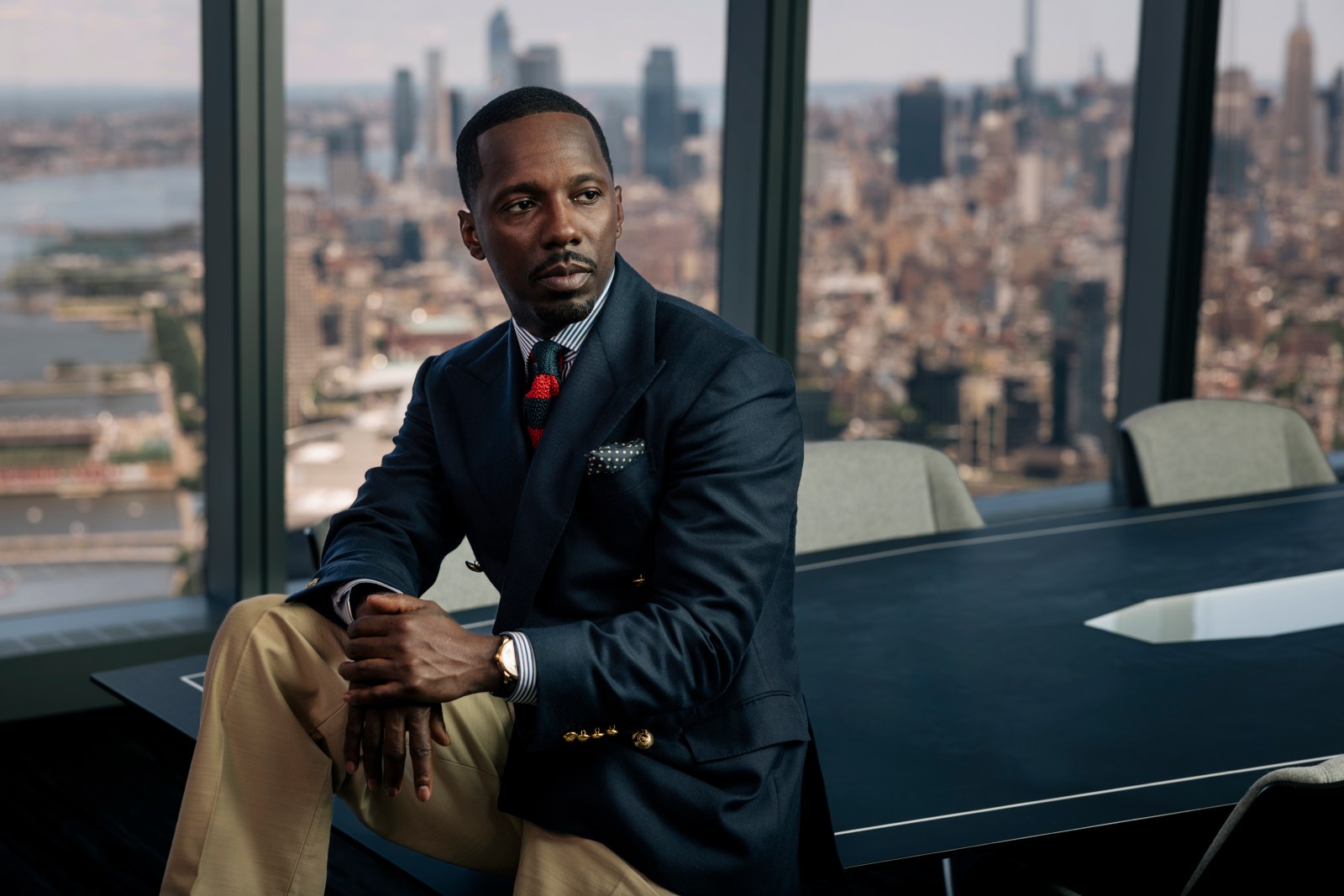
Rich Paul, a notable sports agent, defied conventional choices when he rejected a $15 million sponsorship from McDonald’s, choosing instead to invest $1 million in Blaze Pizza. This investment, now exceeding $30 million, demonstrates his strategic focus on equity and business growth over simple paychecks. Paul’s guidance has helped LeBron James transition into the first active NBA billionaire; his business decisions include a lifetime Nike deal, shares in Fenway Sports Group, and the founding of SpringHill Company.
The relationship between Paul and James began in 2002 at Akron-Canton Airport and grew from friendship to business collaboration. Paul, since becoming James’ official agent in 2012, has directed him through a decadelong productive NBA career. Critics argue this dependency shapes Paul’s reputation, but his company, Klutch Sports Group, founded in 2012, has proven its resilience. Klutch now manages over 700 athletes across basketball, football, baseball, and soccer.
The company recently acquired Rep 1, a baseball agency, and finalized a partnership with Munich-based soccer agency ROOF. Klutch’s portfolio includes prominent athletes such as Anthony Davis and Jalen Hurts. Notably, the agency diversified with Klutch Athletics, an apparel brand targeting young athletes, and saw partial acquisition by United Talent Agency, further establishing its independent success.
“I think you have to support them. First of all, you have to know them to support,” Paul says, emphasizing the importance of understanding client context, forming relationships, and then negotiating.
Paul’s perspective on athlete management involves recognizing the client as a whole person before athlete status, a shift from traditional asset optimization models. He cites Michael Jordan’s story with Nike as a model for generating long-term ROI through equity rather than upfront payments.
Draymond Green of the Golden State Warriors commends Paul for extending influence beyond contracts, positioning athletes as business leaders. Paul’s approach enhances athletes’ commercial identities, invaluable for life beyond sports. Paul’s strategic acumen also earned respect outside the sports field, exemplified by expedited successful business negotiations like those with Publicis Media.
Paul elaborates on his personal history in his memoir, “Lucky Me: A Memoir of Changing the Odds,” where he describes overcoming challenges and forming influential relationships, valuing character integrity over external circumstances. His journey highlights defining moments, such as the “Rich Paul Rule” NCAA certification controversy, which signifies his impact and subsequent industry adaptation.
Paul actively encourages financial and career education for athletes. He explains the critical need to manage wealth mindfully beyond the fleeting sports career span. He highlights NIL reforms as beneficial yet challenging due to early exposure to wealth among young athletes, stressing proper framework guidance.
His future focus includes investing in youth sports, aiming to influence and educate before detrimental habits form. Klutch offers more than ego boosts, stressing realistic support and growth.
“Rich is going to continue doing even more than what he’s done before,” he said, “because I really feel like this is just the beginning for me.” – Rich Paul