Military Service and Immigration: A Complex Relationship
The division in politics and society appears to fade when it comes to the U.S. military. Respect for those who serve remains a near-sacred tradition, with politicians, stadiums, and airports frequently honoring them. Yet, America also cherishes the notion of being a land of opportunity, where origins don’t define one’s future. These two ideals have historically offered non-citizens a promise: wearing the uniform grants entry to a special camaraderie, unaffected by race or creed. Serving the country, even at great personal risk, earns one a place in the national narrative.
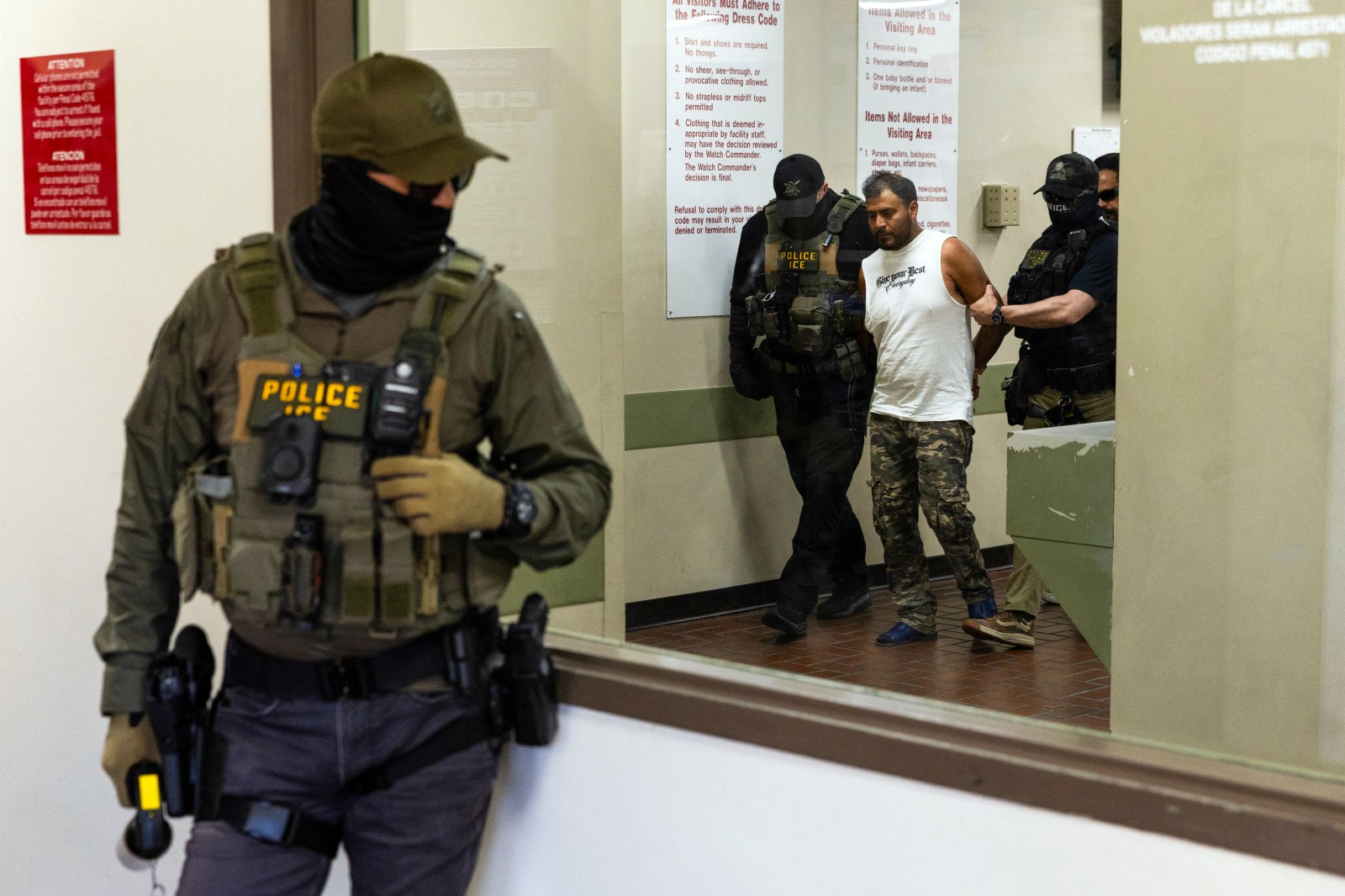
However, this promise faces challenges. Senator Elizabeth Warren and over 60 congressional Democrats have called on the Trump administration to explain efforts to deport noncitizen veterans and active service members’ families. ICE operations resulted in the arrest of many noncitizen veterans, raising questions about American values.
Legal Actions and Concerns
On August 9, Democrat lawmakers led by Warren addressed a letter to several government departments. They demanded responses to reports of current and former service members being detained, some facing deportation. According to DHS, between January 2025 and January 2026, ICE arrested 125 former Armed Forces members, with 73 detained and 34 facing deportation proceedings. Reports also show 16 active members were detained by immigration enforcement agents since October. These actions contradict longstanding American traditions. Since the Civil War, honorably discharged immigrant soldiers have had an expedited path to U.S. citizenship.
Since World War I, over 800,000 individuals have achieved citizenship through military service. Notably, around 187,000 were granted post-9/11, with 50,000 under the Biden administration. Per the U.S. Immigration and Nationality Act, noncitizens enlisted during hostilities can seek citizenship after a single day of service, bypassing standard residence requirements. Thousands of noncitizens earn their citizenship annually through military service.
ICE’s Legal Perspective
ICE has legal grounds for its actions. Military service doesn’t automatically confer citizenship for immigrants or exempt them from other immigration laws. Criminal convictions are considered under immigration law, applicable to military veterans. Warren’s letter acknowledged that 46 of the arrested 125 former service members had active criminal warrants. Having a family member in the military doesn’t guarantee legal status for the entire family. Past administrations, including Trump’s, have also deported veterans.
From 2013 to 2018, ICE identified 250 veterans in removal proceedings; 92 were deported, mostly with criminal records. However, under Trump, there was a significant increase in detentions of service members and veterans, equal to a seven-year period from FY2018-2024.
The Nation’s Fabric
No legal protection universally shields noncitizen service members or their families from immigration enforcement. While laws form part of a nation’s foundation, ideals and acceptance also play a role. These ideals seem inconsistently applied. Six days before Warren’s letter, Trump issued an executive order to support military spouses, linking their well-being to military readiness. Despite this, 113 immediate family members of veterans received deportation notices after their protection applications were denied.
Immigration law even offers posthumous citizenship to foreign-born personnel dying while serving honorably. This means one could earn citizenship yet not live to enjoy it. As Warren and her colleagues await a response, approximately 50,000 foreign nationals in active and reserve roles and 125,000 noncitizen veterans in the U.S. remain anxious about their future.