Rise of Antibiotic-Resistant Shigella Strains
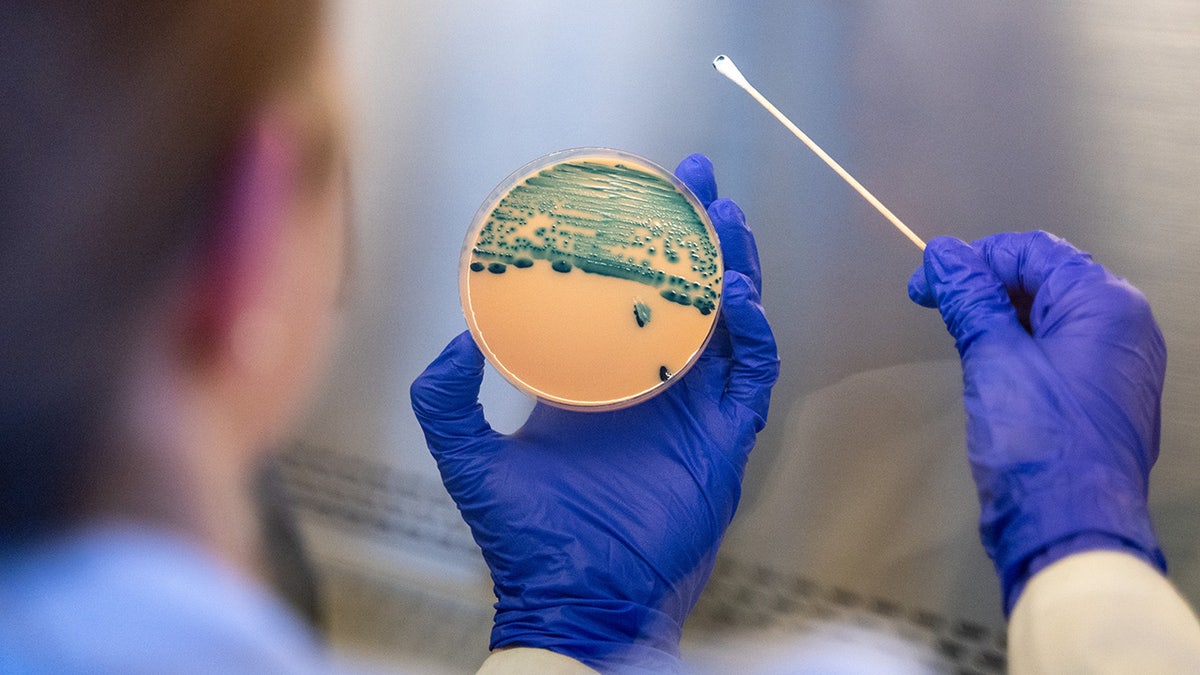
A highly contagious gastrointestinal infection, often spread through sexual contact, is becoming more challenging to treat due to increasing antibiotic-resistant strains, according to recent findings.
The Centers for Disease Control and Prevention (CDC) analyzed nearly 17,000 Shigella samples collected between 2011 and 2023. The bacteria cause Shigellosis, leading to diarrhea, fever, and abdominal cramps. By 2023, 8.5% of these Shigella samples were classified as extensively drug-resistant (XDR), resistant to all five antibiotics assessed by the CDC. This figure represents a significant rise from zero cases reported between 2011 and 2015.
Dr. Tyler Evans, an infectious disease expert and CEO of Wellness Equity Alliance, highlighted the growing concern with resistance, not the number of infections. He noted that while case numbers remain stable, treatment options dwindle. There is currently no FDA-approved oral antibiotic for XDR Shigella.
The infection is not surging. The bacteria are changing.
Shigella spreads via fecal contamination, through food, water, unwashed hands, or sexual activity. Dr. Andi Toufexis, a sexual health specialist, clarifies that while not a typical sexually transmitted infection, Shigella can spread through sexual contact, particularly when fecal matter is involved.
Most individuals with XDR Shigella in the report were adult men, with a substantial number identified within the age group of 41. Sexual contact among men who have sex with men remains a key transmission route, though exact methods of contraction aren’t always documented.
Children under the age of five are particularly susceptible to Shigella. Many outbreaks have connections to childcare environments and schools. Handwashing before food preparation is a vital preventive step.
Data from the CDC indicate that 37.6% of patients needing hospitalization suffered from antibiotic-resistant infection. Although no deaths were reported among XDR cases, infections might be underestimated due to incomplete testing or resistance analysis. Most cases involved individuals without recent international travel.
Dr. Evans advises calm concern rather than panic. Shigella infections generally resolve spontaneously, though severe cases require medical attention. Dr. Michael Aziz advises against the use of antidiarrheal medication like Imodium, emphasizing the need for bacteria removal from the body.
Preventative measures include hand, genital, and anal washing before and after sex, using condoms or dental dams, and cleaning sex toys regularly. Avoid sexual activity if experiencing diarrhea, and refrain from resuming for two weeks post-symptoms. Feeling better does not guarantee the infection’s full resolution, as noted by Toufexis.