Russia’s Strategic Partnership with Iran: A Deep Dive
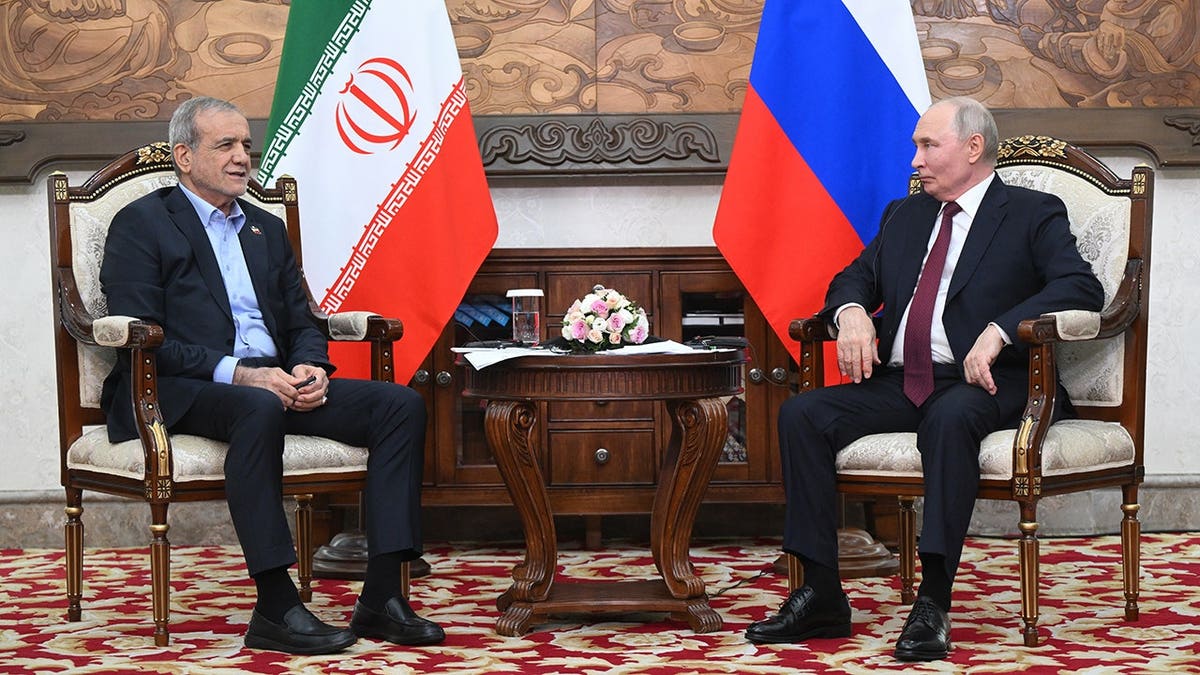
A confidential document from the Russian government, recently reviewed by Fox News Digital, highlights Moscow’s intentions to strengthen its ties with Iran. Beyond conventional trade, the document outlines plans for alternative financial systems, nuclear collaboration, Iranian production of Russian aircraft components, significant energy projects, and new transportation routes toward the Persian Gulf.
Scope of the Document
Named ‘Plan for Cooperation Between the Russian Federation and the Islamic Republic of Iran for 2024-2026,’ the document was sanctioned by Russia on September 2, 2024. It assigns responsibilities to ministries, agencies, and state companies and sets deadlines until the end of 2026. President Vladimir Putin and President Masoud Pezeshkian of Iran met on September 1, 2026, in Bishkek, confirming the strategic significance of their relationship amid Western economic sanctions.
Financial Channels
The plan targets a shift toward national currencies in bilateral trade, with an increase from 68% in 2024 to 71% by 2026. The roadmap involves developing central bank digital currencies for cross-border settlements and independent systems for financial messaging, potentially bypassing SWIFT and other Western controls. By February 2025, Russia and Iran reportedly moved most of their trade to national currencies, reducing reliance on SWIFT.
Nuclear and Energy Collaboration
Under this agreement, Rosatom maintains responsibility for Iran’s Bushehr nuclear power plant. This includes maintenance and fuel provision for existing units and further construction efforts for new units. Russian involvement in Iranian oil and gas fields, such as Shadegan, Kish, and North Pars, marks another significant area of focus. Some projects remain confidential regarding participating companies and financing methods.
Aviation and Transport Initiatives
Russia plans to assist Iran in producing parts for Russian aircraft locally. The roadmap sets deadlines for establishing these production capabilities by late 2026. Moreover, concerted efforts are seen in developing transportation infrastructure, including proposed railways linking Russia and the Persian Gulf and ongoing work on Iran’s Rasht-Astara railway segment.
Media and Technology
The roadmap includes provisions for media collaboration and technology contracts between the nations. This involves exchanges, journalist training, and media projects, along with technology ventures focused on information security and telecommunications.
Significance and Political Implications
The document indicates a robust, high-level strategy involving state coordination, deadlines, and confidential funding, suggesting an aspiration for a lasting partnership. Sergei Tsivilev, a relative of Putin, chairs the Russian segment of the cooperation, signaling political priority.
While the roadmap lays extensive groundwork, its practical implementation remains under scrutiny, with some components already in motion. The partnership between Russia and Iran aims to fortify against sanctions through a collaborative framework that seeks to endure beyond immediate political convenience.