Saudi Arabia Faces Intensifying Crises in the Middle East
The Rising Tensions in the Arab and Islamic Worlds
Saudi Arabia is a prominent nation in the Arab and Islamic worlds, and it’s now at the center of a Middle Eastern crisis.
The Kingdom confronts multiple threats from Iran and its allies in the Axis of Resistance.
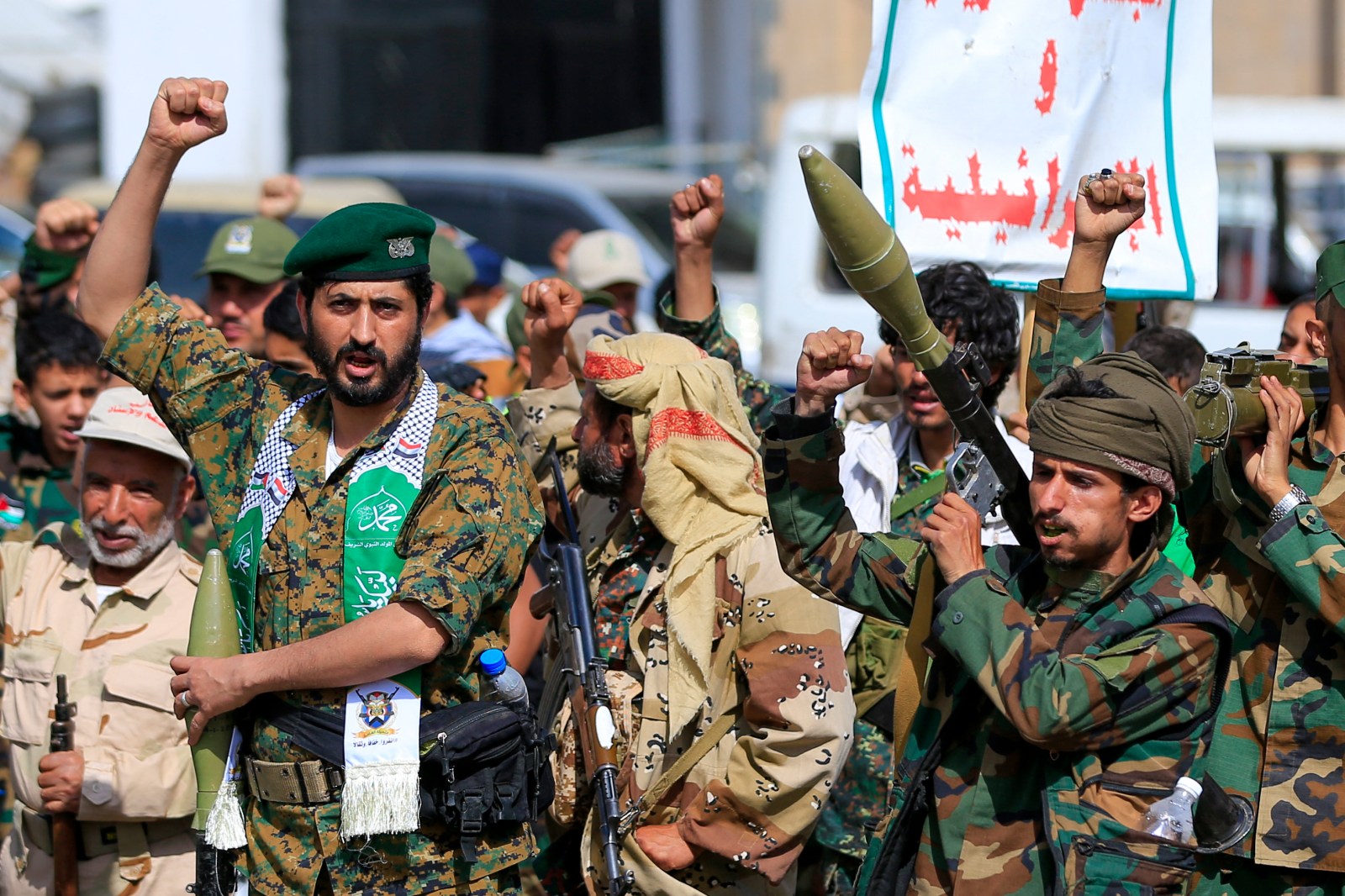
From February 28, when the U.S. and Israel launched efforts against Iran, Saudi Arabia encountered attacks from several fronts, including Iraqi militias and Yemen’s Ansar Allah, known as the Houthi movement.
Increasing Conflict on the Southern Front
Recent developments have seen increased tensions on the southern front as Ansar Allah intensifies cross-border attacks into Saudi Arabia.
The group also gained significant ground against Saudi-backed forces after the April 2022 ceasefire that paused Yemen’s civil war.
This escalation amplifies the regional conflict risks, with Pakistan ready to act on its recent mutual defense pact with Saudi Arabia and Turkey.
The U.S. and Israel have histories of targeting Yemen in retaliation to Ansar Allah’s missile and drone assaults following the outbreak of war in Gaza in October 2023.
Strategic Seizure of Port Mokha
“A major game changer,” said Ahmed Nagi of the International Crisis Group as Ansar Allah took control of the port of Mokha. Such moves place the group closer to Bab el-Mandeb Strait, a vital trade route amid disruptions in the Strait of Hormuz.
Saudi Arabia now faces heightened challenges to its national interests.
There are two main options for Riyadh: accept the evolving political landscape, which might weaken its stance, or consider military escalation—although costly and demanding.
Historical Efforts in Yemen
Previously, Saudi Arabia’s intervention in Yemen yielded mixed results.
In the 1960s, the Kingdom struggled against an Egyptian-backed uprising, eventually accepting a moderated revolutionary government.
More direct attempts to counter Ansar Allah’s capture of Sanaa saw coalition airstrikes that stalled advances, but left the group controlling significant portions of the country.
The April 2022 ceasefire held through major Middle Eastern unrest.
Neither domestic nor regional frontlines have significantly moved, despite the Houthi campaigns against Israel and shipping after Hamas’ October 2023 attack on Israel.
Broader Regional Implications
The U.S.-Israeli conflict with Iran presents a crucial challenge, with Tehran responding via strikes in countries hosting U.S. bases, including Saudi Arabia.
Heightened tensions came to a head following a Saudi airstrike on Sanaa International Airport.
Traditional reliance on U.S. support may shift as Saudi Arabia navigates new security frameworks.
“A new regional security framework is unfolding, with Saudi Arabia at its center,” said Nawaf Obaid, former adviser to Saudi ambassadors.
The Mecca Accord establishes a security system linking Saudi Arabia, Pakistan, and Turkey.
This alliance aims to deter Iranian aggression, limit Israeli initiatives, and reduce reliance on external security guarantors.
The Path Forward Amid Rising Stakes
Saudi Arabia’s role in the emerging regional order exposes it as a critical target, facing threats to its economic transformation efforts.
“Saudi Arabia cannot permit its economic transformation efforts to face risks from southern border threats,” warned Obaid.
The Kingdom remains indispensable in global energy due to its oil exports and leading position within OPEC.
Efforts now focus on degrading Ansar Allah’s capabilities to minimize destabilization risks.
Possible escalation by Riyadh might involve cooperation from the U.S., Pakistan, and Turkey under the Mecca Accord.
“Any attacks on Yemen would result in blocked Red Sea access,” remarked journalist Hussein Albukhaiti. He cited the Red Sea as a powerful strategic tool for Yemen.
Potential Yemeni retaliation could include extensive assaults on Saudi infrastructure.
Albukhaiti suggests targeting Aramco facilities along with ports and airports, even impacting areas like Najran, Jizan, and Asir.
Pakistan or Turkish involvement could elicit further strikes from Ansar Allah, posing unprecedented threats across the Kingdom.
Upcoming steps may ultimately require Saudi Arabia to reconsider its military approaches and support policies.
Domestic Impacts and Challenges
Saudi Arabia confronts regional instability spilling into domestic affairs.
“Saudi oil production has hit its lowest since 1990, and exports marked a 13-year low,” noted Kristian Ulrichsen from the Baker Institute.
A continuity of Bab el-Mandeb Strait and Red Sea closures could exacerbate domestic strain.
The Vision 2030 plan led by Crown Prince Mohammed bin Salman faces potential undermining, jeopardizing tourism and sports sectors.
The looming Houthi strike threats must be addressed to preserve Saudi economic objectives.
The efficacy of increased Yemeni group support remains uncertain, leading to potential explorations of alternative resolutions.
“Saudi Arabia faces complex questions amidst growing regional and domestic turmoil,” Ulrichsen reflected.
Newsweek has reached out to Ansar Allah and Saudi representatives for official statements.