Senate Hearing Examines College Sports Revenue and Proposed Legislation
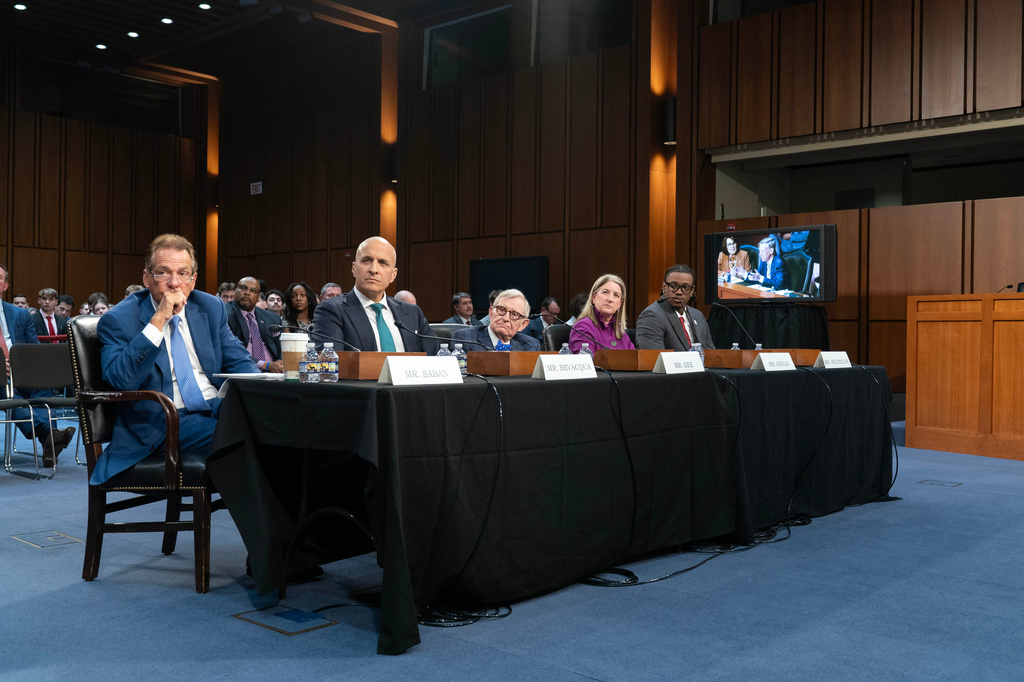
On June 3, 2026, several prominent figures in college sports testified before the Senate Committee on Commerce, Science, and Transportation. Among them were former University of Alabama football coach Nick Saban, Notre Dame athletic director Pete Bevacqua, West Virginia University President Gordon Gee, Pac-12 Commissioner Teresa Gould, and Lance Holtzclaw from the University of Utah. The hearing focused on college sports, student-athlete support, and fair competition.
The committee is considering the Protect College Sports Act, a proposal designed to boost revenue for college athletics. This bill also poses a potential increase in costs for television and streaming services. A key element of the proposal is an antitrust exemption that would allow universities and conferences to collectively pool and sell media rights.
Supporters of the exemption believe that collective negotiation of television rights will give schools more leverage, generating additional revenue. They argue that funding from this revenue could stabilize the industry and maintain opportunities in women’s and Olympic sports.
The mechanism of rights-pooling would decrease competition by consolidating negotiations with conferences like the Big Ten, SEC, ACC, and Big 12 into one entity. This new setup would likely lead to higher prices demanded from broadcasters, who in turn may pass the costs on to consumers through higher subscription prices or changes in distribution.
Historical context highlights that in 1984, the Supreme Court’s decision in NCAA v. Board of Regents ended a similar scheme. The NCAA’s earlier control limited televised games and appearances. The ruling increased competition, leading to today’s extensive college football broadcasts.
Proponents of the exemption emphasize preserving women’s and Olympic sports. However, concerns arise over shifting additional costs to viewers to achieve this goal. Critics argue that college sports’ real issue is not revenue shortage but lack of financial restraint.
The past shows that increased revenue often fuels rising costs for coaching salaries, facilities, recruiting, and other expenses. Any new funds might temporarily relieve financial pressures but could also spark a competitiveness arms race.
Some experts suggest Congress establish national rules for athlete compensation, transfers, and recruiting. They advocate for demanding transparency and encouraging financial discipline while still protecting sports opportunities for women and Olympians.
Critics caution against granting the antitrust exemption, as it would allow the industry to charge more without tackling spending control issues. Lawmakers should question whether more revenue will solve existing problems, as prior booms have not.
Nathaniel Grow, a Professor at Indiana University’s Kelley School of Business, has authored numerous law review articles on sports law. He cautions about the broad implications of pooled media rights reform within college sports.