Shark Experts Offer Safety Tips for Beachgoers
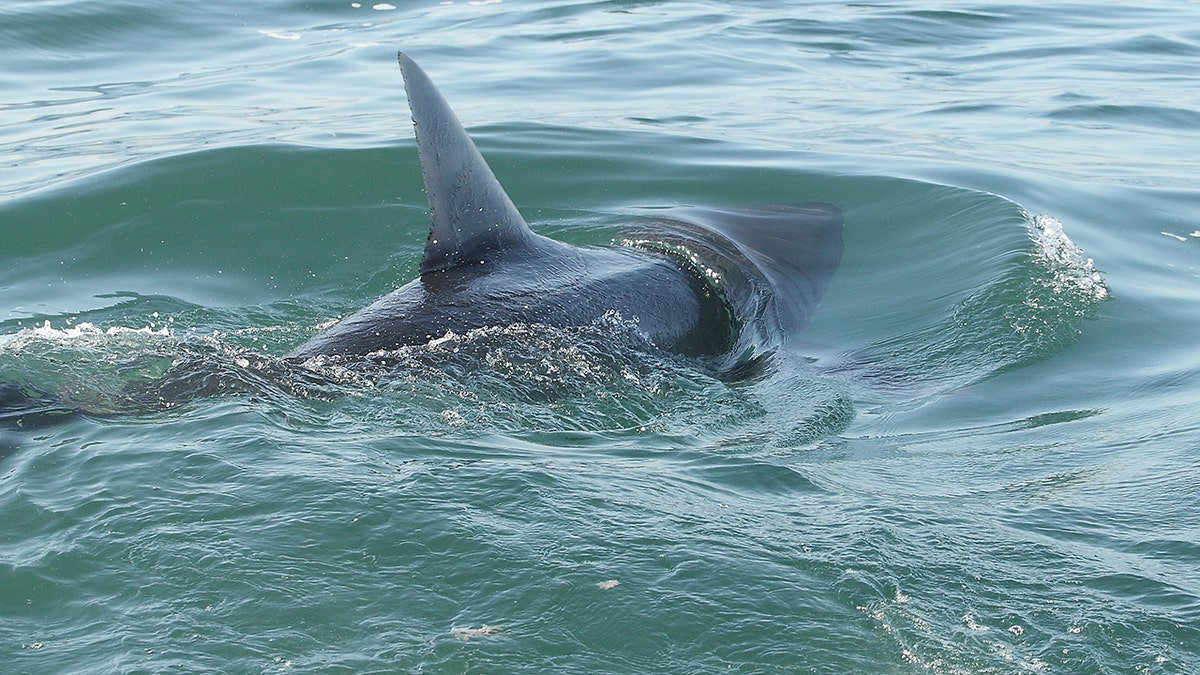
As Americans head to the beach for the Fourth of July weekend, shark experts encourage cautious enjoyment of the water. Despite increased beach attendance, shark bites remain infrequent during this busy period.
Expert Insights on Shark Encounters
Marine biologist Mike Heithaus from Florida International University highlighted that shark bites are uncommon. He urged beachgoers to stay aware of local conditions and heed lifeguard advice. Heithaus suggested avoiding murky waters and areas with visible fish schools or active fishing activities.
“Shark attacks are still extremely rare,” Heithaus remarked, emphasizing awareness of local conditions.
Besides sharks, attention should be paid to other marine dangers such as rip currents and jellyfish. Certain East Coast areas, like New Smyrna Beach in Florida, North Carolina’s Outer Banks, and Cape Cod, have heightened shark activity linked to migration patterns, warming waters, and prey availability, as reported by the Wall Street Journal.
Shark Activity and Safety Measures
Due to seasonal factors, more great white sharks frequent Cape Cod. Additionally, Florida remains a notable shark spot due to warm waters and abundant marine life. Even in these areas, human interactions with sharks seldom result in bites.
“Even when big sharks do encounter people, they almost always ignore us,” Heithaus noted.
Sharks are crucial to maintaining healthy ocean ecosystems. Extensive research underscores their contribution to ocean health, both minor and significant. Public safety and shark preservation should be balanced.
Beach Safety Precautions
Experts recommend swimming near lifeguards, staying close to shore, and avoiding water during dawn or dusk, when sharks are more active. Staying informed about local beach conditions and advisories is essential.
Recently, a swimmer was bitten by a shark at Jones Beach following red-flag warnings. Authorities had restricted swimming due to a 9-foot shark sighting. New York beaches have experienced similar instances, with temporary closures in response to shark sightings.
Technological advancements, such as drones, along with lifeguards and emergency teams, have improved shark monitoring and swimmer safety.