South Carolina Senate Race: Graham vs. Andrews
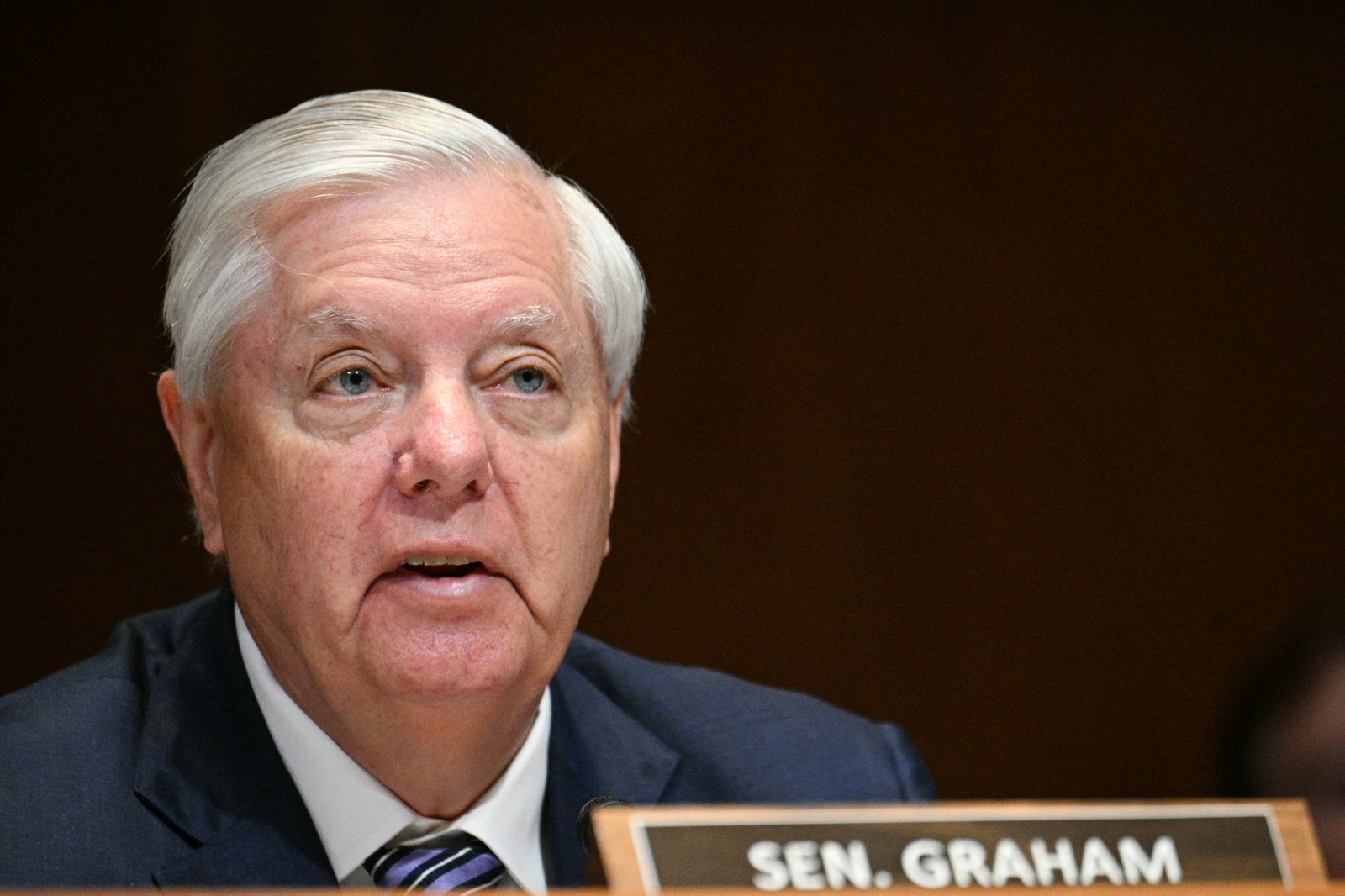
Republican Senator Lindsey Graham aims to secure a fifth term representing South Carolina in the U.S. Senate. He faces Democratic challenger Dr. Annie Andrews, a race that has garnered national interest. Despite South Carolina’s Republican lean, the competition remains noteworthy.
Current Political Climate
Polls and betting odds favor Graham, yet he actively campaigns amid Republican discontent over the Iran war. Andrews, a pediatrician and former congressional candidate, presents a formidable challenge. Her fundraising efforts place her competitively alongside Graham. Andrews leverages dissatisfaction with Washington and her healthcare background. Republicans rely on their historically deep structural advantages within the state.
Primary Results
Lindsey Graham clinched 58% of the votes in his primary. Meanwhile, Andrews won her primary with 61%. This race coincides with the larger national struggle for Senate control, raising stakes for both parties.
Polling Insights
Limited polling exists, mainly from Democratic sources. One February poll showed Graham leading Andrews by five points. Another from November showed a six-point lead for Graham against Andrews. In general, 57% of voters expressed a desire for “someone else,” while 34% viewed Graham favorably.
Graham invested over $14 million to avoid a runoff in his primary, yet Cook Political Report rates the South Carolina Senate race as “solid R,” indicating Graham’s likely success in the general election.
Prediction Markets and Structural Advantages
Prediction markets, such as Kalshi and Polymarket, show Republicans having a clear advantage. Kalshi gives Republicans 78.8% chances, with Democrats at 21.2%. Polymarket reflects similar odds but shows a narrowing gap since January when Republicans had over 90% odds.
National Senate Control
The South Carolina race unfolds amid the broader fight for Senate control. Democrats aim to gain four seats for Senate control in the next cycle. Republicans maintain a structural edge, with forecasts predicting a slight Republican majority. Although South Carolina remains a safe Republican seat, Andrews’ success could affect the national campaign landscape if margins narrow significantly.
Dr. Annie Andrews’ Strategy and Challenges
Dr. Andrews brings a unique profile that Democrats hope appeals to broader voter demographics. Based in Charleston, her experience in healthcare shapes her campaign’s focus on affordable healthcare, education, and economic security.
Andrews emphasizes her hands-on experience with America’s healthcare system challenges. She brings attention to public health issues, especially during a local measles outbreak. Her campaign highlights her status as both a mother and physician, appealing to voters concerned with family issues. Andrews has matched Graham’s fundraising, gathering over $8 million since May 2025.
Despite these strengths, Andrews faces hurdles, given the state’s historical Republican dominance. Her previous congressional run in 2022 resulted in a loss, obtaining 42%. She must unify Democrats, appeal to independents, and leverage any decline in Graham’s support.
Background of South Carolina’s Political Landscape
Historically, South Carolina presents a challenging environment for Democrats. The last Democratic U.S. Senate win occurred in 1998 with Senator Fritz Hollings. Republicans currently hold significant sway at both federal and state levels.
Even in competitive spots, Republicans retain an advantage. In 2020, Graham defeated Jaime Harrison by over ten percentage points, despite facing substantial financial challenge.
Looking Forward
As November 2026 nears, South Carolina’s voters will choose between Graham and Andrews. Early voting and key deadlines will occupy the upcoming weeks.
New polling or major ad campaigns could signal shifts in race dynamics. Andrews focuses on driving Democratic turnout and swaying independents; Graham aims to maximize GOP participation. National factors may influence campaign resources and focus if the Senate majority hinges on tight margins.