Spectrum-Cox Merger Nears Final Approval
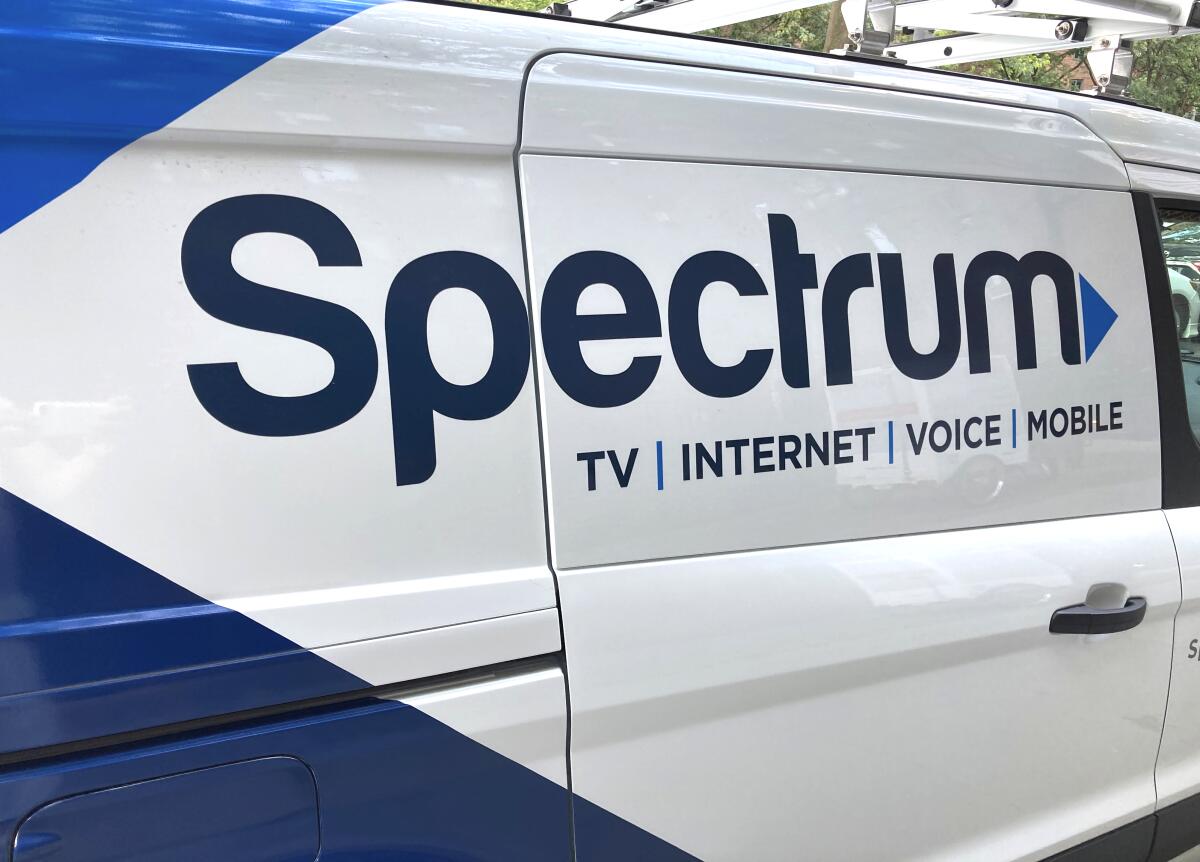
Charter Communications is close to completing its $34.5 billion acquisition of Cox Enterprises. This deal will create the largest internet and cable television company in the U.S. The final approval needed is from California’s Public Utilities Commission, which is expected to vote soon.
This merger would significantly expand the reach of Southern California’s leading provider, adding more than 5 million customers. While federal officials approved months ago, state approval has been slower. This delay affects Cox customers in areas like Rancho Palos Verdes, Las Vegas, and parts of Orange and San Diego counties, who will transition to Spectrum services.
Charter, the industry leader, offers Spectrum internet, phone, and cable TV packages across Los Angeles, Riverside, San Bernardino, and Ventura counties. The merger plans have been in progress for over a year, with hopeful completion by next month. However, there’s been controversy over the deal’s terms.
Public interest groups have expressed concern. They argue that the settlement doesn’t sufficiently ensure affordable internet for low-income residents or support for those affected by natural disasters, like the Eaton and Palisades fires. There’s also debate over ensuring workplace diversity, equity, and inclusion within Charter’s California workforce.
Jason Solomon, director of the National Institute for Workers’ Rights, emphasizes the role of state regulators. He advocates for California to uphold its own laws and values.
The commission’s vote will consider two proposals, both allowing the merger with conditions. Charter previously committed to diversity but scaled back under pressure. Trump’s administration discouraged such programs under the leadership of FCC Chairman Brendan Carr, who supports eliminating diversity initiatives.
To gain federal approval, Charter agreed to safeguards against DEI discrimination. Still, there’s pressure in California for a renewed commitment to diversity. Advocacy groups like Free Press argue for protecting workplace diversity.
Charter plans to collaborate with various business groups, such as the Women’s Business Development Council and several California chambers of commerce, to enhance supplier diversity.
Regulatory concerns include one proposal lacking diversity measures and weaker broadband access commitments. Advocates prefer a competing proposal with more conditions, including promoting inclusivity.
Paul Goodman, counsel for the Center for Accessible Technology, stresses equitable benefits from the merger, particularly for communities historically underserved. Advocates want to prevent extra equipment charges for low-income customers.
The commission will select between proposals from Commissioner Matthew Baker and Administrative Law Judge Jamie Ormond. Ormond’s proposal is favored by advocates for its compliance requirements. Solomon’s group calls for Charter to implement equal opportunity compliance infrastructure.
Previously, California required diversity measures in mergers, like with Verizon’s acquisition of Frontier Communications. Charter would offer affordable broadband to low-income residents, including 5-year standalone plans, with advocates suggesting 10 years.
Charter commits to investing $275 million in its California network and expanding 1-gigabit service. It will also allocate $30 million for digital literacy and low-income community initiatives. Free broadband for select institutions is included.
Post-disaster service complaints arose after the January 2025 fires. Charter claims aid efforts, including free Wi-Fi, contradict these complaints. Activists’ evidence aims to support their stance on the merger’s public interest impact.
If approved, Cox subscribers will experience changes. Spectrum will implement its products and pricing, offering existing plans or bundles with services like Disney+, Hulu, ESPN, and Paramount+. Cox subscribers switching to Spectrum for cellphone service will receive a year of free service.
The Charter brand will retire, and the combined company will adopt the Cox name, maintaining Spectrum for consumer products. The Cox family will hold a 23% shareholder stake, as descendants of the original cable initiator.
Charter CEO Chris Winfrey noted nearly 37 million customers nationwide post-merger, projecting $67 billion in revenue annually and $28 billion in earnings before interest, taxes, depreciation, and amortization.