Strait of Hormuz Ceasefire Creates Temporary Calm Amid Tensions
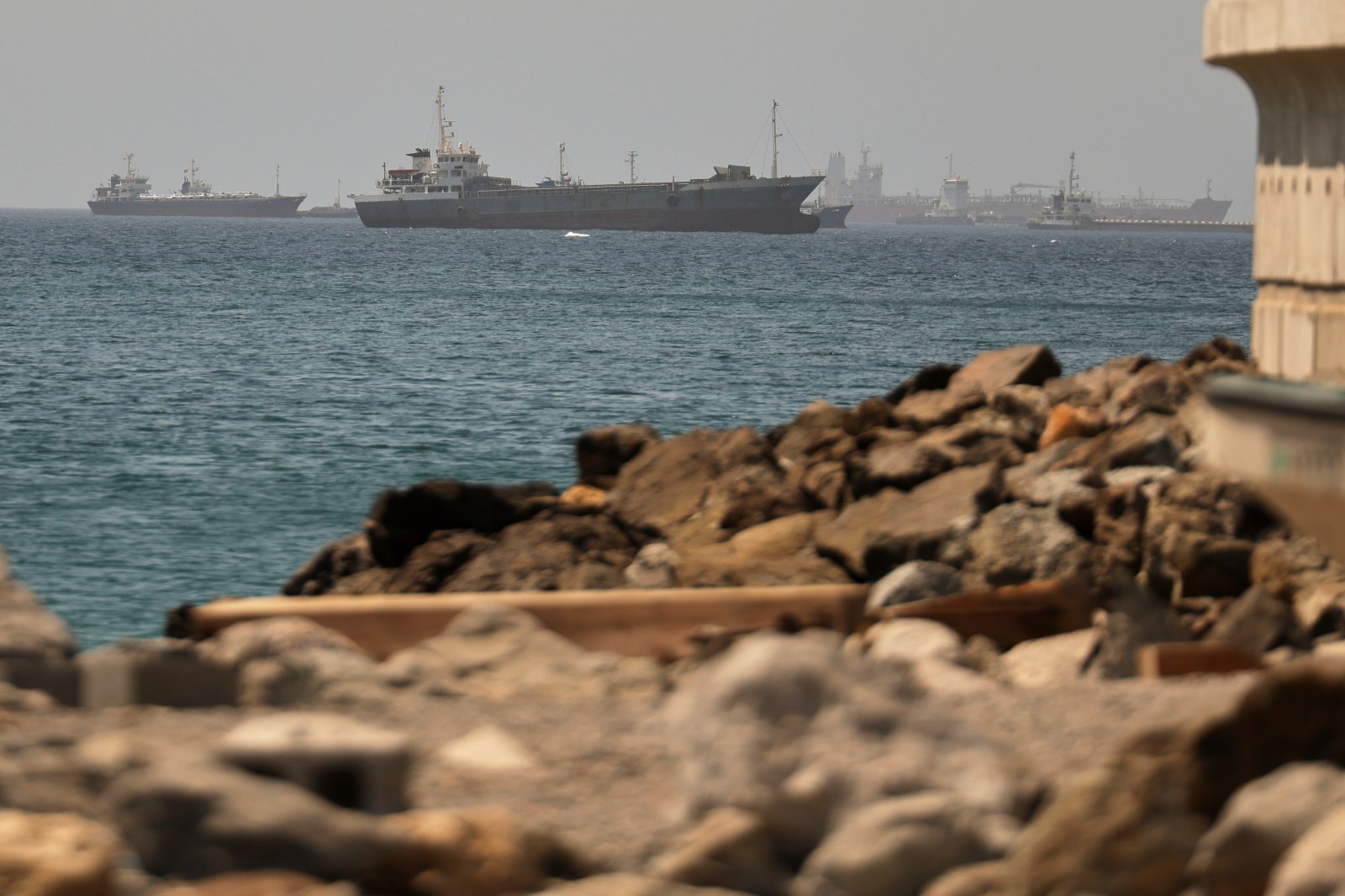
Ceasefire Opens Critical Oil Chokepoint
A 60-day ceasefire between the United States and Iran has led to the reopening of the Strait of Hormuz, a vital oil passage. The agreement, signed last week, aims to stabilize energy markets after prolonged conflict.
The ceasefire gives negotiators time to pursue a broader deal, halts active hostilities, and lifts the U.S. naval blockade of Iranian ports. However, differing narratives from Washington and Tehran are challenging the arrangement and raising fears of economic and military turmoil.
Reports on Maritime Traffic
Conflicting reports emerged regarding shipping activities in the strait over the weekend. Some disruptions were noted, such as the tanker Starbound Explorer turning back in Iranian waters and the container ship MSC Qingdao briefly rerouting.
U.S. officials maintain that shipping lanes remain clear and effectively used. Energy Secretary Chris Wright stated that 67 ships traversed the strait on Saturday, and 55 ships did so on Friday, indicating maintenance of pre-conflict oil traffic levels.
Vice President JD Vance confirmed on Fox and Friends that the straits are open, citing ongoing international security efforts.
Unresolved Ceasefire Framework
The Memorandum of Understanding (MOU) allows toll-free passage for commercial vessels during the ceasefire. Meanwhile, regional states are expected to discuss future governance of the waterway. However, the MOU leaves many issues unresolved:
- Which forces will ensure security enforcement.
- Possibility of future tolls or fees.
- Management of disputes between the U.S., Iran, and regional actors.
The ambiguity enables both parties to project differing views on control over the strait.
Trump’s Stance on U.S. Role and Tolls
President Donald Trump called the ceasefire a breakthrough but intensified rhetoric on U.S. regional oversight. He proposed a 20% transit fee on foreign vessels after the ceasefire, claiming reimbursement for military costs.
Trump warned of severe retaliation if Tehran tries to shut the strait, suggesting U.S. intervention if necessary.
Iran’s Position on Sovereignty
Iran asserts control over the strait, with military command statements indicating closure intentions, despite ongoing traffic. Tehran warns of access restrictions if ceasefire violations or broader regional conflicts arise.
Implications for Global Markets
Tensions in the Strait of Hormuz continue to affect global energy markets. Being a significant oil chokepoint, it impacts crude and natural gas transport significantly. Previous conflict phases saw crude prices spike due to supply constraints, affecting ports and spiking maritime insurance costs. Financial markets fluctuate, with energy stocks rising and equities dropping over cost concerns.
While the ceasefire offers temporary relief to shipping entities and traders, analysts note the unresolved geopolitical dispute maintains the strait as a source of economic disruption.