High-Level Talks Aim to Resolve Middle East Conflict Amid Rising Tensions
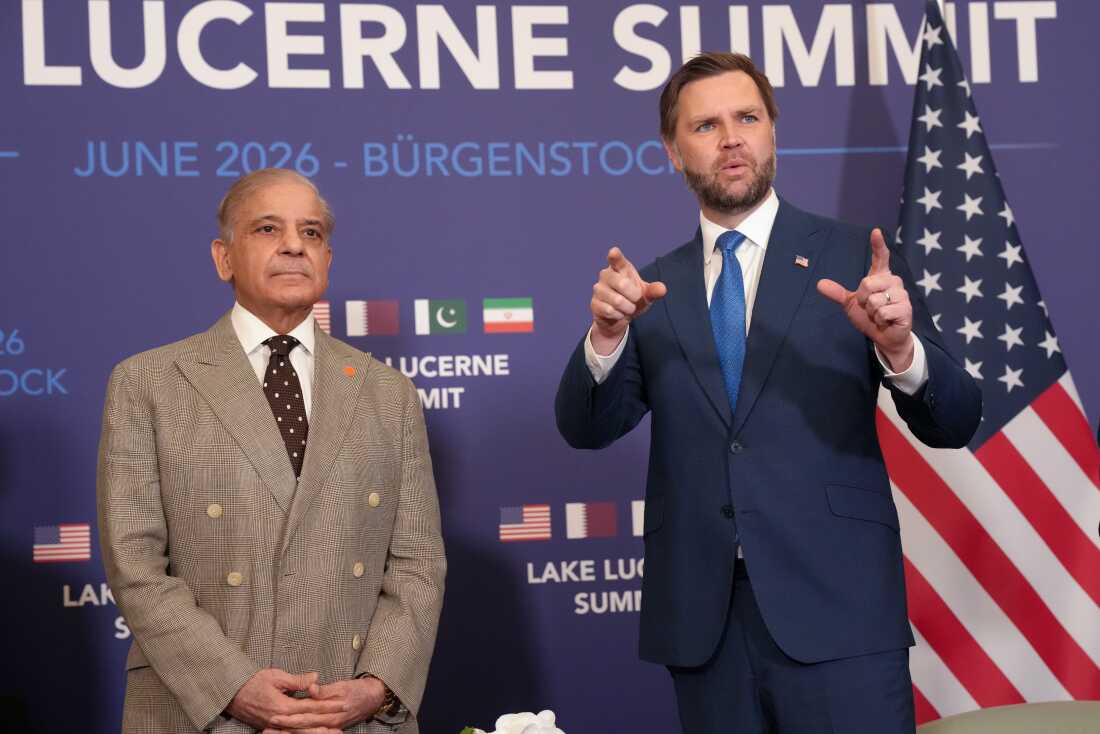
High-level discussions unfolded between U.S. Vice President JD Vance and Pakistan’s Prime Minister Shehbaz Sharif at the Bürgenstock Resort in Obbuergen, near Lucerne, Switzerland, on June 21, 2026. The talks focused on developing a strategy to end the ongoing Middle East conflict.
While Vice President Vance was engaged in diplomatic efforts, President Trump heightened pressure on Iran through social media, warning, “Iran must immediately stop their highly paid proxies in Lebanon from causing trouble. If they don’t, we’ll hit Iran very hard again, just like we did last week, only harder!”
In response, Iran closed the Strait of Hormuz, citing ongoing Israeli strikes in Lebanon targeting Hezbollah. This move challenged the provisional agreement from the previous week, which required a cessation of hostilities in Lebanon.
Alongside representatives from Pakistan, Iranian delegates, mediators from Qatar, and Rafael Grossi from the International Atomic Energy Agency also participated in the meetings. The key subject was a Memorandum of Understanding signed by the U.S. and Iran last week, already facing significant challenges.
Discussions touched on Iran’s nuclear program. Iranian President Masoud Pezeshkian asserted, “What is certain is that we will never back down from the right to enrich uranium, and the other side is also forced to accept it.” Iran emphasized its nuclear endeavors are peaceful.
Tensions rose as Israeli forces and Hezbollah engaged in heavy exchanges despite a ceasefire announced on Friday. Amid the pressure, Vance expressed optimism, stating, “We’ve already made great progress over just the last few hours, and I expect that we’ll make additional progress in the hours to come.”
Vance acknowledged potential disagreements on achieving peace, yet remained confident in the progress made. He emphasized the U.S.’s efforts, saying it has done more to halt the Lebanon conflict than any other government globally.
Violence persisted, leading to at least 16 casualties, including civilians, from Israeli strikes on Saturday. Israel’s response was against Hezbollah’s overnight projectile attacks, which Hezbollah claimed were retaliatory.
The United Nations Interim Force in Lebanon reported no attacks for the first time since the conflict began on March 2, providing a slight reprieve. However, the Memorandum of Understanding yet to be signed by Israel or Lebanon stresses respect for Lebanese sovereignty—a point Iran insists the U.S. should enforce—alongside a halt to military operations in Lebanon.
These developments were reported with additional insights from NPR’s Jane Arraf.