Supreme Court Maintains Birthright Citizenship Amidst Political Tensions
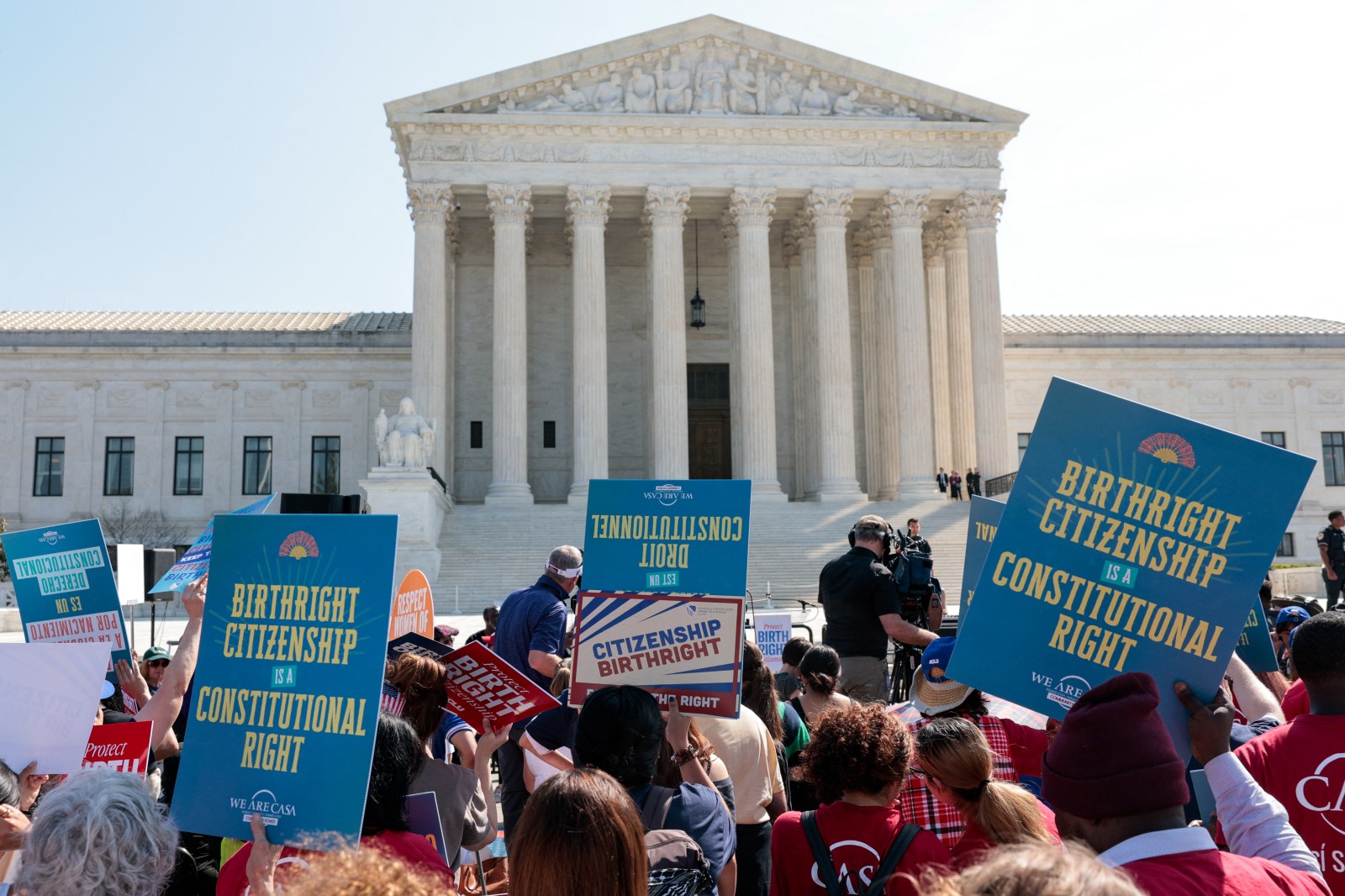
The U.S. Supreme Court has decided to uphold birthright citizenship, delivering a 5-4 ruling that many anticipated. This decision offers relief by highlighting limits to the Court’s recent shift against liberal American jurisprudence. Despite issuing several reactionary rulings this year, the Court refrained from reversing a constitutional guarantee that has long been recognized.
While the Court has appeared committed to replacing individual rights with traditionalist values, this decision indicates restraint from eliminating birthright citizenship. Chief Justice John Roberts led the opinion, possibly swayed by potential negative optics. The Trump administration’s attempt to negate birthright citizenship contradicted fundamental American principles and legal precedents.
The Constitution ensures citizenship for “all persons born” in the United States. President Trump argued the “subject to the jurisdiction thereof” clause excluded children of illegal immigrants. However, historical interpretation reserves this exclusion for diplomats’ children, foreign invaders, and sovereign Indian tribes.
With the Court recognizing the weakness in Trump’s argument, there’s a glimmer of hope for impartiality. Yet, the counterrevolution to revert established rights continues. As midterm elections approach, concerns rise over the Court’s role in safeguarding democratic integrity. Trump’s efforts to undermine election faith are dubious, lacking credible evidence.
The Supreme Court must act decisively to prevent any misuse of electoral deceit. By ensuring adequate judicial presence during elections, the Court can decisively counter fraudulent claims. Vocal validation of election results could deter potential unrest, as witnessed post-2020 presidential elections.
The coming months are crucial for the Supreme Court to uphold democratic processes. Its decisions will undoubtedly impact future political landscapes. Ensuring electoral integrity is imperative to prevent further division and potential consequences.
Thomas G. Moukawsher’s perspectives reflect his experience as a former Connecticut complex litigation judge and leader within the American Bar Association. His book, The Common Flaw: Needless Complexity in the Courts and 50 Ways to Reduce It, examines complexities and potential reforms in the judiciary.