Supreme Court Rules Against Rastafarian Inmate Claiming Religious Rights Violation
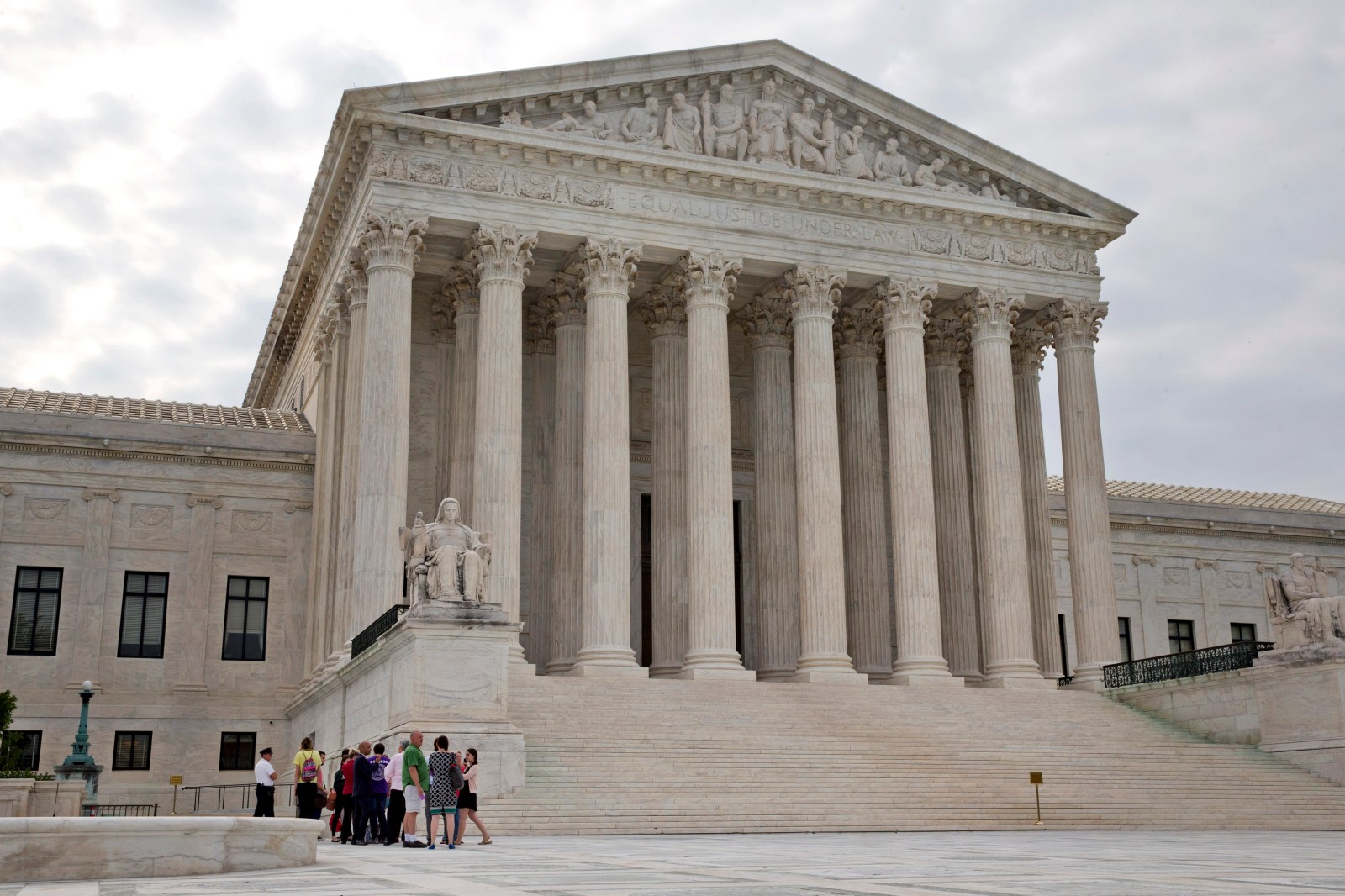
Supreme Court Decision Challenges Enforcing Religious Freedom in Prisons
The Supreme Court’s conservative majority recently ruled in a decision impacting the enforcement of religious freedom for federal prisoners. The ruling, in the case of Landor v. Louisiana Department of Corrections and Public Safety, denied Damon Landor, a Rastafarian inmate, the ability to seek monetary damages from prison officials who shaved his dreadlocks, allegedly violating his religious rights.
In a 6-3 decision, the court ruled that state employees could not be held personally liable under the Religious Land Use and Institutionalized Persons Act (RLUIPA). The decision contrasts with the court’s recent trend of supporting religious liberty claims, often siding with claimants seeking religious exemptions.
Details of Landor’s Case
Landor claims that prison officials forcibly shaved his dreadlocks in 2020, arguing that his faith required him not to cut his hair. He reportedly carried a prior court ruling supporting similar protections, which prison officials allegedly ignored. The Supreme Court did not question the seriousness of the violation but focused on whether RLUIPA permitted monetary damages against state employees.
Justice Neil Gorsuch, writing for the majority, determined that RLUIPA, based on Congress’s Spending Clause authority, allows liability only for those who voluntarily accepted federal funding conditions. Louisiana prison officials did not consent to such conditions personally, thus negating their personal liability.
Dissent and Activist Response
Justice Ketanji Brown Jackson dissented, arguing that the ruling leaves victims without meaningful remedies when their religious rights are violated in prison. The American Civil Liberties Union (ACLU) framed the decision as a blow to religious freedom and dignity for incarcerated individuals, criticizing its impact on accountability.
Daniel Mach from the ACLU’s Freedom of Religion and Belief Program expressed concern that the decision sends a message allowing prison officials to escape accountability for rights violations.
Contrast with Recent Religious Liberty Decisions
The ruling differs from many recent court decisions favoring religious liberties. During the COVID-19 pandemic, the court supported churches challenging public-health restrictions. Notable cases include Roman Catholic Diocese of Brooklyn v. Cuomo and Kennedy v. Bremerton School District, which reinforced religious practices under the First Amendment.
Past decisions such as Carson v. Makin and Groff v. DeJoy expanded protections concerning religious schools and workplace accommodations. The unanimous ruling in Tanzin v. Tanvir allowed Muslim men to seek damages under the Religious Freedom Restoration Act.
Understanding Differences in Legal Remedies
The Landor case deviates from previous decisions due to the legal authority under which it was considered. Critics argue a disparity in the court’s willingness to protect religious exercise versus providing remedies for right violations. Proponents suggest judicial restraint prevented unauthorized damages remedies by the court.
Profile of Damon Landor
Landor, a devout Rastafarian, adhered to a Nazarite vow not to cut his hair for nearly 20 years. During incarceration for drug possession, two facilities respected his religious practices. The issue arose after a prison transfer shortly before his release, leading to the alleged religious rights violation involving prison staff ignoring existing legal protections.
Landor described the incident as deeply traumatic and pursued legal action against Louisiana officials after his release.
About Rastafarian Faith
Rastafarianism originated in Jamaica in the 1930s, focusing on spiritual freedom and African heritage. Many followers consider Haile Selassie I a prominent spiritual figure and Ethiopia a symbolic homeland. Wearing dreadlocks, related to a biblical Nazarite vow, signifies devotion and spiritual identity.
The movement gained international attention through Bob Marley, whose music highlighted its principles globally.