Iran-U.S. Agreement: Implications for Frozen Iranian Assets
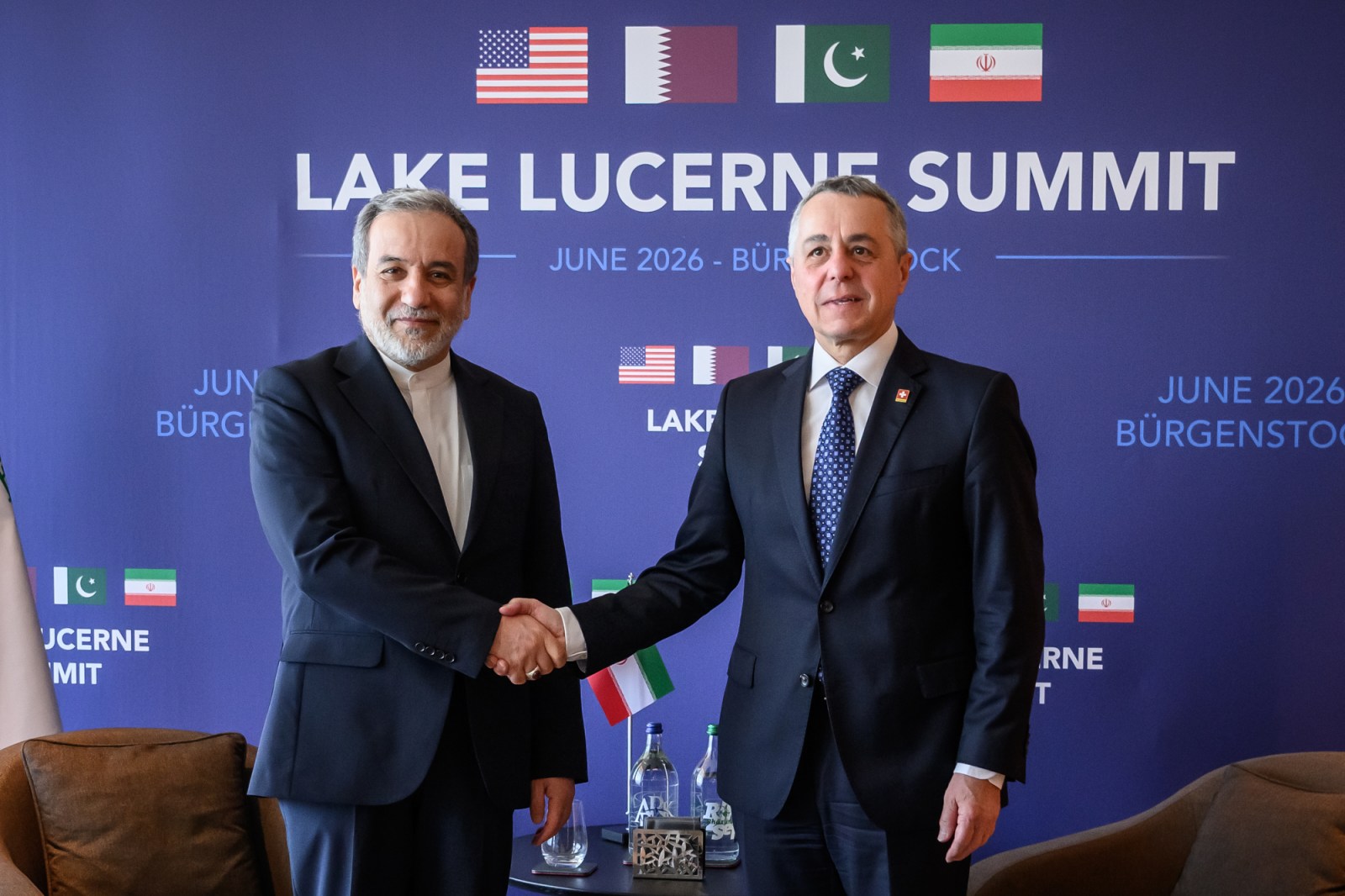
The recently signed agreement between Iran and the United States could impact billions of dollars in frozen Iranian assets globally. Both nations have differing accounts concerning the amounts and conditions involved.
Understanding Frozen Iranian Assets
Frozen assets refer to funds or financial holdings legally blocked from access or transfer, usually due to sanctions. Iran’s frozen assets mainly consist of oil revenues and foreign currency reserves in foreign banks.
U.S. sanctions on Iran date back to the 1979 Iranian Revolution. Over the years, more sanctions were added due to concerns about Iran’s nuclear activities, human rights issues, and support for militant groups in the Middle East. These restrictions have heavily impacted Iran’s economy, causing high inflation and currency devaluation, further exacerbated by regional conflicts.
Geographic Distribution of Iran’s Frozen Assets
Estimates of Iran’s frozen foreign assets vary widely. Iranian officials suggest totals could reach $100 billion. Other estimates are lower, perhaps under $50 billion. The Wall Street Journal reports China’s holdings at $20 billion to $50 billion. China is a significant purchaser of Iranian oil. Before the JCPOA nuclear deal, India was another major oil buyer. Iraq holds approximately $15 billion in assets, as it imports electricity and natural gas from Iran. Other countries with Iranian assets include Japan, Luxembourg, the U.S., South Korea, Qatar, and Oman.
MOU Details on Frozen Assets
The memorandum of understanding (MOU) signed on June 17 between Iran and the U.S. outlines the release of frozen Iranian assets. Paragraph 11 of the agreement states that the U.S. will fully make available Iran’s frozen funds upon implementation, following mutually agreed procedures. The U.S. will issue necessary licenses to ensure these funds are usable.
Statements from Iran and the U.S. on Asset Release
Former U.S. President Donald Trump suggested on Monday that Iran use its unfrozen assets to buy American food products. He remarked, “All that money’s coming back in the form of purchases of food which they desperately need…So, the money that we lift is going to go to our farmers.”
However, Iranian officials disagreed. In Geneva, Ali Bahreini, Iran’s U.N. ambassador, stated, “Iran is the only country to decide what to do with its assets, which are going to be defrozen.” He rejected any claim suggesting outside influence over these decisions.
Additionally, Iranian Parliament Speaker Mohammad Bagher Ghalibaf mentioned the agreement includes releasing $12 billion in frozen assets. Reports indicate this sum will be released in two parts of $6 billion each.